Mastering the Irish Goodbye: The Art of Disappearing Like a Pro!

“Ever slipped out of a party unnoticed? Congratulations, you’ve pulled off an Irish goodbye!”

An Irish goodbye, sometimes called a French exit, is the time-honored act of leaving a gathering without saying farewell. While some people see it as rude, others celebrate it as efficient, classy, or simply a survival tactic when social batteries hit zero. The truth? The Irish goodbye is less about rudeness and more about practicality, with deep roots in cultural quirks and linguistic twists.

But why exactly is it called the Irish goodbye? Let’s dive into the history, etiquette, and global variations of this disappearing act.


Why It’s Called the “Irish Goodbye

The origins of the term are fuzzy, but most agree it’s primarily an English-speaking invention. Some suggest it was born out of old stereotypes about the Irish, while others argue it reflects a universal human habit given a catchy label.

Interestingly, different cultures have their own names for the same act:

  • In France, they call it “filer à l’anglaise” (to leave the English way).
  • In Germany, it’s “Polnischer Abgang” (Polish exit).
  • In the U.S. and U.K., the “Irish goodbye” has stuck as the most colorful term.

So while the Irish don’t necessarily own the practice, the phrase endures because it’s funny, memorable, and let’s be honest, relatable.


What Exactly Is an Irish Goodbye?

At its simplest:
Definition – An Irish goodbye means slipping out of a social event, whether it’s a party, wedding, or bar night, without announcing your departure to the host or guests.

It’s a “vanishing act” that requires no excuses, no awkward hugs, and no drawn-out goodbyes.


Is an Irish Goodbye Rude or Brilliant?

Etiquette matters. Whether an Irish goodbye is rude or not depends on:

  • Size of the gathering – At a huge party, nobody will notice. At an intimate dinner with six people, disappearing might sting.
  • Relationship with the host – If it’s your best friend, a quiet “thanks for having me” might be better than a ghost exit.
  • Cultural context – In some places, efficiency is respected. In others, skipping farewells is considered impolite.

Pro tip: At big events, the Irish goodbye is often the smoothest move. At smaller ones, a whispered goodbye to the host earns more points.


Why People Use the Irish Goodbye

  1. Avoiding the Farewell Marathon
    We all know how goodbyes can snowball: one hug turns into ten, one goodbye turns into a 20-minute ordeal. An Irish goodbye saves time and awkwardness.
  2. Social Battery on Empty
    For introverts or anyone drained after a night of chatter, sneaking out is self-preservation.
  3. Too Much Drink
    Sometimes, leaving quietly is safer than making a scene.
  4. Polite Disappearance
    Oddly enough, disappearing can be less disruptive than loudly announcing you’re leaving.

The Global Family of Disappearing Acts

The Irish goodbye isn’t the only member of this family:

  • French Exit – Popular in the U.S., same meaning.
  • Going Houdini – A modern, playful term inspired by the magician.
  • Dutch Leave – Another variation, though less common today.

This shows that every culture has recognized the universal instinct to “slip away quietly.”


The “Ole Irish Goodbye

Sometimes you’ll hear the phrase the ole Irish goodbye.” This is just a colorful way of saying the same thing, a playful twist, emphasizing the humor and tradition of it. Think of it as a wink and nod to those who consider it an art form.


People Also Ask

What is the Irish goodbye?
It’s leaving a party or gathering without saying goodbye. Quick, quiet, and often unnoticed.

What is an Irish goodbye in Urban Dictionary?
Urban Dictionary defines it as “leaving without telling anyone,” usually from a bar or party, often after one too many drinks.

What is a French exit vs Irish goodbye?
They mean the same thing: disappearing without farewells. “French exit” is more common in Europe, while “Irish goodbye” dominates in the U.S.

What is the Ole Irish goodbye?
A humorous, folksy way of referring to the same practice, making your exit without formalities.


Conclusion: The Irish Goodbye as a Life Hack

Far from being rude, the Irish goodbye can be seen as a social life hack, a way to leave gracefully without disrupting the flow of the night. In fact, it’s often more considerate than holding up the party with endless hugs and chatter.

So the next time you slip out unnoticed, just remember: you’ve mastered an ancient art. Whether you call it an Irish goodbye, French exit, or going Houdini, you’re disappearing like a pro.
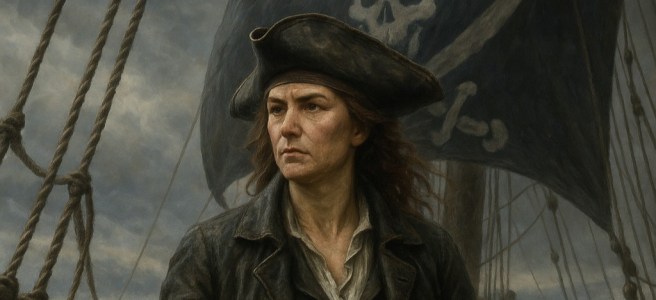
Grace O’Malley: Ireland’s Famous Pirate The Pirate Queen

Grace O’MalleyThe Pirate Queen

Who was Grace O’Malley?

Grace O’Malley, also known as Gráinne Mhaol, was Ireland’s most legendary female pirate, better remembered as the Pirate Queen of Connacht. Born around 1530 into the powerful O’Malley clan of County Mayo, Grace grew up along the rugged western coast of Ireland. The O’Malleys were a seafaring family, controlling shipping routes and coastal trade. From an early age, Grace was fascinated by the sea.

Stories say she once cut her hair short to convince her father to let her sail, earning the nickname “Gráinne Mhaol,” meaning “Bald Grace.” Soon, she commanded her own fleet, dominating trade and coastal waters at a time when female leaders were nearly unheard of.

The Conquest of Ireland

Grace’s rise coincided with one of the most turbulent times in Irish history, the Tudor conquest of Ireland. As England expanded its control, Irish chieftains were forced to submit or fight. Grace O’Malley became a fearless leader, not only navigating treacherous seas but also standing against English forces who threatened her territory.

Her ships raided merchant vessels, levied tolls, and protected her clan’s waters. To some, she was a pirate. To others, she was a patriot—defending Irish independence at sea.

Grace O’Malley’s Love Life

Grace’s personal life was as dramatic as her adventures at sea. She married twice: first to Donal O’Flaherty, with whom she bore three children, and later to Richard Bourke, nicknamed “Iron Richard.” Unlike many women of her time, Grace refused to live in the shadows of her husband’s. She negotiated alliances, commanded men, and led fleets, showing Ireland that women could wield power both at home and on the seas.

Grace O’Malley and Queen Elizabeth I

One of Grace’s most famous stories is her meeting with Queen Elizabeth I in 1593. Legend says the two women met at Greenwich Palace, with Grace petitioning the Queen to release her captured son and restore her lands.

Despite neither speaking the other’s language, they communicated in Latin. Grace boldly refused to bow before Elizabeth, seeing herself as her equal, not her subject. This remarkable encounter between two powerful women of history continues to capture imaginations worldwide.

Celtic Anchor of Hope Pendant

Sailors like Grace O’Malley believed deeply in the anchor as a symbol of hope and stability. Our Celtic Anchor of Hope Pendant blends this maritime tradition with Celtic design—an inspiring piece for those navigating life’s storms.

Pirate Queen Pendant

Channel Grace’s legendary spirit with our Pirate Queen Pendant. This gold-over-silver necklace is more than jewelry; it’s a reminder of strength, adventure, and the untamed Irish spirit.

Grace O’Malley’s Enduring Impact

Grace O’Malley remains Ireland’s most famous female pirate. To this day, she symbolizes independence, courage, and leadership. Writers, historians, and musicians celebrate her as the true Pirate Queen of Ireland, keeping her story alive across generations.

People also ask:

Is The Pirate Queen based on a true story?
Yes—Grace O’Malley’s life inspired plays, books, and even musicals. Her daring exploits are well-documented in Irish history.

Who was the female pirate queen of Ireland?
Grace O’Malley is universally recognized as the Pirate Queen of Ireland.

What was Grace O’Malley’s petition to the Queen?
She petitioned Queen Elizabeth I for the release of her son and restoration of family lands, successfully negotiating with the English crown.

Who is the most famous pirate queen?
Grace O’Malley holds this title, though other women like Anne Bonny also gained fame on the seas.


International Talk Like a Pirate Day

September 19 is International Talk Like a Pirate Day, a playful celebration where people swap modern speech for hearty “Ahoy, matey!” and “Arrr!” greetings. While lighthearted today, it’s a fun way to honor figures like Grace O’Malley, who truly lived the pirate life.

People also ask:

Why is September 19 Talk Like a Pirate Day?
It began as a joke between friends in 1995 and quickly spread worldwide as a quirky holiday.

Does Krispy Kreme still do Talk Like a Pirate Day?
Many companies once celebrated with promotions, though traditions change yearly.

What is the meaning of Talk Like a Pirate Day?
It’s simply a fun excuse to embrace pirate lingo and celebrate swashbuckling legends.

How do you talk like a pirate greeting?
Common phrases include “Ahoy!” (hello), “Avast!” (pay attention), and “Shiver me timbers!” (surprise).


Irish Jewelry to Spoil Your Loved Ones

From Claddagh rings to Celtic pendants, The Irish Jewelry Company offers timeless treasures inspired by Ireland’s history and legends. Explore pieces that honor your heritage while adding a touch of elegance to everyday wear.

About The Irish Jewelry Company

We are proud to be one of the leading destinations for authentic Irish jewelry. Each piece reflects tradition, craftsmanship, and the magic of Irish culture.

Join our Community!

Celebrate Irish heritage with us, exclusive offers, stories, and special savings await when you join our community! Click here to sign up.