

Weddings in Ireland have always been more than just a union of two people; they are a tapestry woven with history, symbolism, and a touch of Celtic magic. From ancient rituals tied to the Celts to modern celebrations that still honor these traditions, Irish weddings beautifully balance heritage with contemporary love stories. Today, couples often blend the old with the new, ensuring their big day feels timeless while uniquely personal.
Whether it’s the iconic Claddagh wedding ring, the lively steps of Irish dancing, or quirky customs like placing a Child of Prague statue in the garden, Irish weddings carry layers of meaning that connect couples to centuries of culture. Let’s explore how past and present traditions intertwine to create weddings rich in symbolism, love, and celebration.
Celtic Wedding Traditions Found in Modern Ceremonies
Handfasting Ceremony
One of the most enduring Celtic wedding traditions is the handfasting ceremony. This ancient ritual dates back to pre-Christian times, when couples would have their hands bound together with ribbon or cord as a symbol of unity and commitment. It was the origin of the phrase “tying the knot.”
In modern Irish weddings, handfasting often complements religious or civil vows, offering couples a way to honor their Celtic heritage. Couples choose ribbons in colors representing their values—red for passion, green for fertility, blue for loyalty, and the cords are tied into symbolic knots. The beauty of handfasting lies in its visual and spiritual connection to Ireland’s past, yet it feels fresh and romantic in today’s ceremonies.
Celtic Knot Rings
The Celtic knot, with its unending loops, represents eternity, making it a perfect motif for wedding rings. Many couples incorporate Celtic knotwork into their rings to symbolize eternal love, interconnectedness, and unbreakable bonds.
Explore Celtic Knot Wedding Rings
These designs often feature interwoven patterns that have no beginning or end, echoing the infinite cycle of life and love.
Featured Style: Comfort Fit Celtic Knot Ring
One stunning example is the Comfort Fit Celtic Knot Ring. Handcrafted in solid precious metal, its knotwork design embodies strength and continuity—making it an ideal choice for couples who want their rings to tell a story as enduring as their vows.
Ladies Celtic Design Diamond Set Ring
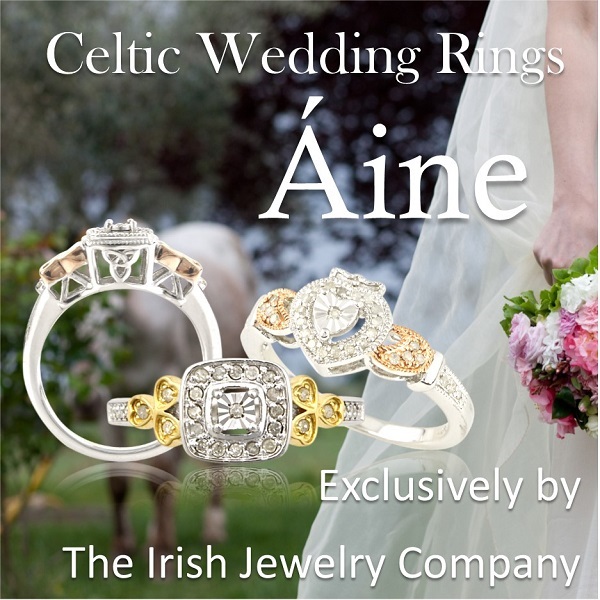
For brides who want to embrace tradition while sparkling with elegance, the diamond Trinity Knot engagement ring is a meaningful option. The Trinity Knot, or Triquetra, has deep Celtic roots, symbolizing faith, eternity, and the interconnectedness of life.
The Diamond Trinity Knot Engagement Ring Set blends this ancient symbol with modern design, combining timeless heritage with contemporary beauty. It represents not just a promise of love, but also a proud connection to Irish tradition.
Claddagh Wedding Rings
No discussion of Irish weddings is complete without the Claddagh ring. Originating in the fishing village of Claddagh in Galway, the design features hands (friendship), a heart (love), and a crown (loyalty). Together, these symbols represent the perfect foundation for marriage.
Explore Claddagh Wedding Rings
Traditionally, the Claddagh ring is worn in different ways to signal relationship status. For weddings, it’s worn on the left hand with the heart pointing inward toward the wearer, symbolizing love and commitment.
Featured Style: Lab Diamond Claddagh Ring
A modern take on this classic is the ½ Carat Lab Diamond 10K Gold Claddagh Ring. It enhances the traditional design with sparkling brilliance while keeping the symbolism intact.
Claddagh Wedding Ring Two Tone with Celtic Knotwork
Many couples choose to combine Irish traditions, pairing the Claddagh’s symbolic meaning with Celtic knotwork for added depth. The Claddagh Wedding Ring in Silver and 10K Gold achieves just that. The result is a meaningful blend of loyalty, eternal love, and Irish artistry perfect for modern couples who cherish heritage.
Irish Dancing at Weddings
No Irish wedding is complete without dancing! From lively jigs to traditional step dancing, music and movement are at the heart of Irish celebration. At receptions, professional Irish dancers often perform to delight guests, while friends and family take to the dance floor afterward.
Local Musical Instruments
Music is equally central, with fiddles, tin whistles, bodhráns (Irish drums), and harps filling the room with unmistakably Irish sound. This creates not just entertainment but also a cultural experience that connects generations and adds energy to the celebration.
Weird Irish Wedding Traditions
Ireland is also famous for its quirky wedding customs, some charming, some humorous, but all rooted in folklore.
Horseshoes for Good Luck
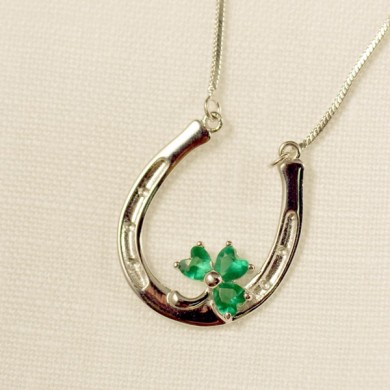
The horseshoe is one of Ireland’s most beloved symbols of good fortune. Brides often carried a horseshoe on their wedding day to ensure luck followed them into marriage. Today, this tradition has been reimagined in jewelry, like the Shamrock Horseshoe Necklace, making it a stylish keepsake of Irish luck.
Child of Prague
A particularly Irish quirk involves placing a statue of the Child of Prague outside the bride’s home the night before the wedding. Legend says this guarantees good weather on the big day. It’s still a popular practice, especially in rural Ireland.
Ward Off Evil Spirits with Bells
Another tradition involves ringing wedding bells to ward off evil spirits and bless the union. This custom gave rise to the phrase “wedding bells are ringing,” and many Irish couples still include bells in their ceremonies or décor.
The Magic Hankie
The “magic hankie” is a cloth carried by the bride that can later be sewn into a bonnet for the couple’s first child, symbolizing the continuation of love and family. This sweet tradition highlights the deep connection between Irish weddings and family heritage.
Ancient Irish Wedding Traditions
Long before modern rings and white dresses, Ireland’s wedding customs were deeply influenced by Celtic culture.
It’s Not Till “Death Do Us Part.”
In Celtic times, marriages weren’t necessarily lifelong. Some unions were made for a trial period often a year and a day. If the couple was unhappy, they could part ways without stigma.
What Is Mine Is Not Yours?
Property rights in ancient Ireland were complex. Men and women often kept separate property, and detailed contracts spelled out what belonged to whom in a marriage. It was surprisingly progressive for its time.
Specific Days for Weddings
The Celts believed certain days were luckier than others for weddings. For example, May was often avoided due to connections with the festival of Beltane, while Sunday was seen as the most favorable day to marry.
About The Irish Jewelry Company
At The Irish Jewelry Company, we honor these age-old traditions with designs that carry forward Ireland’s rich heritage. From Celtic Knot Wedding Rings to timeless Claddagh Rings, our jewelry celebrates the enduring beauty of Irish love stories.
Each piece is crafted with meaning, designed not just as an accessory but as a legacy. Whether you’re planning a wedding steeped in tradition or simply want to honor your Irish roots, our collection brings authenticity and artistry to your journey.




 irish culture and traditions