Irish Harvest Festival: Michaelmas & Celtic Autumn Feasts

The arrival of autumn in Ireland has always been more than just a change in season; it marks a time of abundance, gratitude, and preparation for the long, dark winter ahead. In ancient times, the Irish harvest was celebrated through festivals that combined Celtic fall traditions with later Christian observances like Michaelmas. These gatherings were filled with feasts, storytelling, rituals, and symbolic practices that blended the mystical with the practical. Today, echoes of these celebrations remain in Irish culture, offering a glimpse into a way of life deeply tied to the land and its cycles.


The Meaning of the Irish Harvest

The Irish harvest was central to survival. Grains, vegetables, and fruits gathered during autumn determined whether a family or community would thrive through the winter. Traditionally, harvest time began after Lughnasadh in August and extended through September, culminating in feasts such as Michaelmas at the end of the month.

The harvest wasn’t just about food; it symbolized balance. It was a time to honor the Celtic fall traditions that celebrated the bounty of the earth, while also acknowledging the waning light as days grew shorter. Fields were cleared, animals were slaughtered for meat, and thanks were given to gods, saints, and spirits alike.


Michaelmas – The Feast of St. Michael

Christian and Celtic Blending

Michaelmas, held on September 29, honored St. Michael the Archangel, the protector against evil and the harvester of souls. When Christianity spread through Ireland, this feast merged with older Celtic harvest rituals. It marked the turning point of the farming year when debts were settled, workers were paid, and contracts renewed.

Michaelmas Goose and Other Foods

One of the most famous Michaelmas traditions in Ireland was the eating of the Michaelmas goose. Families who could afford it would roast a fattened goose, often served with apples and potatoes. Goose fat was also said to protect against illness during the cold months ahead.
Other staples included:

  • Colcannon (mashed potatoes with cabbage or kale)
  • Barmbrack (fruit bread linked with divination)
  • Apples from the autumn harvest
  • Blackberries, which folklore warned should not be picked after Michaelmas, as the devil was said to spit on them.

Folklore and Superstitions of Michaelmas

  • Protecting Health: Eating goose on Michaelmas was believed to ensure good health for the coming year.
  • Weather Predictions: Farmers watched Michaelmas weather closely, believing it forecasted winter conditions.
  • Blackberry Superstition: A widely held Irish belief held that after Michaelmas, blackberries were spoiled because the devil had cursed them.

Celtic Fall Traditions and Festivals

Long before St. Michael, the Irish honored the harvest with their own rituals. Celtic fall traditions reflected the sacred connection between the natural world and the divine.

Lughnasadh’s Influence

Though primarily celebrated in August, Lughnasadh set the stage for the harvest season. It was dedicated to Lugh, the god of skill and craftsmanship, and featured first-fruit offerings, athletic games, and matchmaking. By Michaelmas, these celebrations shifted to a more solemn recognition of the waning sun and the need for preservation.

Samhain Approaches

Michaelmas was not the end of harvest festivals; it was a bridge to Samhain in late October, when the last of the crops were gathered, and the Celtic new year began. Samhain carried a more spiritual and supernatural weight, while Michaelmas focused on the practical balance of food, contracts, and protection.


Rituals and Customs of the Irish Harvest

The Irish harvest wasn’t only about food and feasts. Customs carried deep symbolic meaning:

  • The Last Sheaf: Farmers often saved the last sheaf of wheat as a charm for good luck. Sometimes it was woven into a Corn Dolly, representing fertility and protection.
  • Bonfires: Leftover from pagan traditions, fires were lit to honor the sun’s power as it faded.
  • Divination Games: Young people used harvest foods like apples and barmbrack to predict their future, especially in matters of love and marriage.
  • Offerings of Thanks: Small gifts of grain or bread were left at sacred wells and stones to appease spirits and ensure blessings.

Michaelmas in Irish History

During medieval times, Michaelmas was one of the “quarter days” when rents were due, servants were hired, and fairs were held. It wasn’t only a religious feast but an economic and social anchor point. Entire villages came together for fairs featuring music, horse trading, storytelling, and dancing.

These fairs carried on traditions from Celtic gatherings like the Aonach, where clans met to celebrate, settle disputes, and arrange marriages. By blending Christian rituals with older Celtic customs, Michaelmas became a truly Irish hybrid celebration.


Symbols of Michaelmas and Celtic Autumn

The Goose

A symbol of protection, sustenance, and foresight.

Blackberries and Apples

Linked to fertility, temptation, and divine blessings.

The Sheaf or Corn Dolly

Representative of the harvest spirit and carried forward into the next planting season.

St. Michael the Archangel

Protector and warrior, blending Christian ideals with Celtic warrior traditions.


How Irish Harvest Traditions Live On Today

While the large-scale harvest feasts of old are no longer central to Irish life, many customs endure:

  • Families still bake barmbrack around late September and October.
  • Irish festivals in towns and villages honor local harvests with food fairs.
  • Michaelmas remains a date of cultural memory, often tied to agricultural events.
  • Folklore, such as the “devil spoiling blackberries,” is still retold in rural areas.

Even in modern celebrations like the National Ploughing Championships, echoes of ancient Celtic fall traditions remain in Ireland’s connection to the land and its cycles.


Celtic Jewelry Inspired by Autumn Festivals

Harvest rituals often included wearing or gifting symbolic jewelry. Celtic knots, sheaves of wheat, and protective talismans were linked to abundance and protection. Today, jewelry inspired by Celtic fall traditions continues to carry these meanings.

Pieces like the Celtic Knot Jewelry serve as modern reminders of ancient cycles of life, death, and renewal. Just as harvests ensured survival, jewelry celebrates endurance and continuity in Irish heritage.


Conclusion

The Irish harvest season, with Michaelmas at its center, reflects Ireland’s ability to weave together the practical and the mystical. From Celtic fall traditions rooted in the land to Christian overlays honoring saints, the autumn feasts of Ireland highlight gratitude, community, and resilience.

Today, these customs endure in folklore, food, and symbolic practices, reminding us to pause, give thanks, and honor both the abundance and impermanence of life. Whether through baking barmbrack, enjoying a Michaelmas goose, or wearing Celtic jewelry with harvest symbolism, these traditions keep Ireland’s rich cultural heritage alive.
The Celtic Crosses of Clonmacnoise: Ireland’s Stone Testament of Faith and Art

In the rolling heart of Ireland’s midlands lies Clonmacnoise (pronounced “Clon-mac-noyce”), one of the most sacred monastic sites in all of Ireland. Nestled along the River Shannon in County Offaly, Clonmacnoise is home to some of the most famous Celtic Crosses in the world, each intricately carved with biblical stories, Celtic patterns, and ancient Irish artistry. These crosses are not only symbols of Ireland’s spiritual heritage but also powerful works of medieval art that continue to inspire visitors and craftspeople today.

Among them, the Cross of the Scriptures stands tall as one of the finest surviving examples of a Celtic High Cross in Ireland. For centuries, it has captured the imagination of pilgrims, historians, and artists alike and today, it even inspires modern jewelry design, such as the Cross of the Scriptures Necklace.


What is the Clonmacnoise Cross?

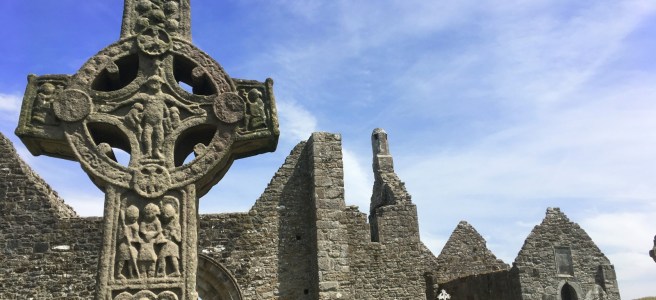
When people refer to the “Clonmacnoise Cross,” they usually mean the Cross of the Scriptures, the most celebrated of Clonmacnoise’s high crosses. Standing at nearly 13 feet tall, this sandstone masterpiece dates back to the early 10th century. Its carvings tell biblical stories in a way that monks and laypeople alike could understand a kind of medieval “illustrated Bible” in stone.

Unlike simpler grave markers, Celtic High Crosses like those at Clonmacnoise served a higher purpose. They were both teaching tools and public displays of faith. The Cross of the Scriptures depicts scenes such as:

  • The Crucifixion of Christ
  • The Last Judgment
  • The Arrest of Christ
  • Other Gospel-inspired images

These carvings brought Scripture to life for a largely illiterate population, reinforcing the teachings of the monastery. To stand before the cross even today is to witness Ireland’s history carved into stone.


What is the Most Famous Celtic Cross?

Ireland is dotted with hundreds of Celtic High Crosses, but the Cross of the Scriptures at Clonmacnoise is widely considered one of the most famous. Historians often cite it as the finest example of early medieval stonework. Its detailed panels and iconic ringed cross shape are so influential that countless replicas have been made across Ireland and beyond.

In fact, when you think of the classic Celtic Cross shape, a tall cross with a circle connecting its arms, you’re picturing the style perfected at Clonmacnoise.

The fame of the site is enhanced by its location: perched on the River Shannon, Clonmacnoise was a hub of religion, trade, and scholarship for over a thousand years. Kings and nobles sought burial here, making the crosses not just symbols of faith but also monuments of status and memory.


What is the Significance of Clonmacnoise?

Clonmacnoise is far more than a collection of ruins; it is one of Ireland’s most historically and spiritually significant sites. Founded in the mid-6th century by St. Ciarán of Clonmacnoise, the monastery quickly became one of the great centers of learning and religion in early Christian Ireland.

For centuries, Clonmacnoise was a crossroads where faith, culture, and politics met:

  • A Monastic University: Scholars from across Europe studied here, copying manuscripts, producing metalwork, and creating illuminated texts.
  • A Royal Burial Site: Kings of Tara and Connacht were buried here, giving it immense political prestige.
  • An Artistic Beacon: The site’s round towers, churches, and Celtic crosses influenced architecture and art throughout Ireland.

Today, Clonmacnoise remains one of the most visited heritage sites in Ireland. Its crumbling churches, round towers, and Celtic crosses stand as a testament to Ireland’s early Christian Golden Age.


What Saint is Associated with Clonmacnoise?

The saint most closely associated with Clonmacnoise is St. Ciarán (Ciarán mac an tSaeir). Born around 516 AD in County Roscommon, he was the son of a carpenter and trained under St. Finnian at Clonard before founding his own monastery at Clonmacnoise.

Although St. Ciarán died at a young age, likely around 33, his influence was profound. His monastery thrived long after his death, becoming one of Ireland’s most enduring centers of Christian learning. Today, pilgrims still come to Clonmacnoise to honor his memory.


The Three Great Crosses of Clonmacnoise

While the Cross of the Scriptures is the most famous, Clonmacnoise boasts three monumental high crosses, each with its own story:

1. The Cross of the Scriptures

  • Dates: 10th century
  • Material: Sandstone
  • Features: Carved biblical panels, inscriptions mentioning kings and abbots
  • Significance: Considered the finest surviving high cross in Ireland

2. The North Cross

  • Dates: Likely 8th or 9th century
  • Features: One of the earliest examples of a ringed cross in Ireland
  • Style: Heavily influenced by metalwork, with interlacing designs and abstract patterns
  • Condition: Only the shaft survives, but its carvings show an evolution in cross design

3. The South Cross

  • Dates: 9th century
  • Features: Sometimes called the “Cross of Patrick and Columba”
  • Design: Bold, abstract carvings rather than detailed figural scenes
  • Significance: Symbolically connects Ireland’s two most famous saints, St. Patrick and St. Columba

Together, these crosses show the progression of Irish stone carving from simple abstract designs to fully realized biblical storytelling.


Celtic Cross Symbolism at Clonmacnoise

The Celtic Cross itself is rich with symbolism. Its circle, connecting the arms of the cross, is said to represent eternity, the sun, or the unity of heaven and earth. At Clonmacnoise, the crosses combine Christian faith with older Celtic motifs, creating a uniquely Irish form of devotion.

This fusion of cultures is why the Celtic Cross remains one of the most enduring symbols of Ireland today. It speaks not only to faith but also to heritage and identity.


Clonmacnoise in the Modern World

Visiting Clonmacnoise today feels like stepping back in time. The crosses stand weathered but proud, protected by replicas placed outdoors, while the originals are preserved in a visitor center. Pilgrims and tourists alike are drawn to the site’s quiet majesty, often leaving with a deeper appreciation of Ireland’s spiritual and artistic past.

And yet, the crosses’ influence continues far beyond the monastery walls. From Irish cemeteries to jewelry designs, the Celtic Cross remains a beloved emblem.


From Stone to Jewelry: The Cross of the Scriptures Necklace

At The Irish Jewelry Company, the Cross of the Scriptures Necklace captures the timeless beauty of Clonmacnoise’s most famous high cross in miniature form. Crafted with intricate detail, this piece allows you to carry a part of Ireland’s sacred history with you.

Just as the monks carved biblical stories into stone, modern jewelers translate those same designs into precious metals, creating wearable reminders of faith, heritage, and artistry. For many, owning such a necklace is not only about beauty but also about a spiritual connection to Ireland’s past.


FAQs About Clonmacnoise and Its Crosses

What is the Clonmacnoise Cross?

The Clonmacnoise Cross, also known as the Cross of the Scriptures, is a 10th-century high cross covered in biblical carvings. It stands as one of the most famous Celtic Crosses in Ireland.

What is the most famous Celtic Cross?

The Cross of the Scriptures at Clonmacnoise is widely considered the most famous and finest surviving Celtic High Cross.

What is the significance of Clonmacnoise?

Clonmacnoise was a major center of religion, learning, and politics in medieval Ireland, known for its monastery, royal burials, and artistic achievements.

What saint is associated with Clonmacnoise?

Clonmacnoise was founded by St. Ciarán, who is venerated as its patron and spiritual father.


Conclusion: The Enduring Legacy of Clonmacnoise

The Celtic Crosses of Clonmacnoise are more than ancient stone monuments; they are timeless symbols of Ireland’s faith, artistry, and cultural identity. From the Cross of the Scriptures to the simpler South and North Crosses, they embody a unique blend of Christian devotion and Celtic creativity.

To stand before them is to step into a story that spans over a thousand years. And today, thanks to modern artisans, you don’t need to travel to County Offaly to bring that story home. The Cross of the Scriptures Necklace allows you to wear a piece of Ireland’s sacred history close to your heart, carrying forward the legacy of Clonmacnoise into the present day.

Imbolc and St. Brigid’s Day: Celebrating Renewal, Light, and Tradition

Imbolc, also known as St. Brigid’s Day, is a traditional Irish festival celebrated on February 1st, marking the midway point between the winter solstice and the spring equinox. This ancient festival holds deep significance as it symbolizes the return of light, fertility, and the renewal of life after the harshness of winter. In recent years, Imbolc has gained renewed global interest as people seek to reconnect with ancient customs and seasonal rhythms.

The Origins of Imbolc

The word “Imbolc” is derived from the Old Irish word “Imbolg,” meaning “in the belly,” referring to the pregnancy of ewes. This agricultural link highlights the festival’s importance as a time of anticipation for new life and the promise of spring. Historically, Celtic communities would perform rituals to honor the goddess Brigid, a deity associated with fertility, healing, poetry, and smithcraft. Imbolc was a time to seek her blessings for a prosperous year ahead.

Who Was St. Brigid?

Over time, the pagan goddess Brigid became intertwined with the Christian figure of St. Brigid of Kildare, one of Ireland’s most beloved saints. St. Brigid was known for her acts of charity, her miracles, and her role in founding monasteries. According to legend, she was born in 451 AD and was renowned for her compassion and wisdom. Her feast day, February 1st, coincides with Imbolc, blending ancient pagan and Christian traditions.

St. Brigid’s Day has become an opportunity to honor her legacy, with rituals such as the weaving of St. Brigid’s crosses from rushes or straw. These crosses are believed to offer protection to homes and families for the coming year.

Imbolc Traditions and Customs

Many of the customs surrounding Imbolc are centered on light and purification. Here are some of the most cherished traditions:

  1. Lighting Candles: Homes and sacred spaces are illuminated with candles to symbolize the return of warmth and the lengthening of daylight. The light is also said to honor Brigid’s role as a goddess of fire.
  2. Cleaning and Purification: Much like modern spring cleaning, Imbolc involves rituals to cleanse both physical spaces and the spirit. This practice symbolizes making room for new growth and opportunities.
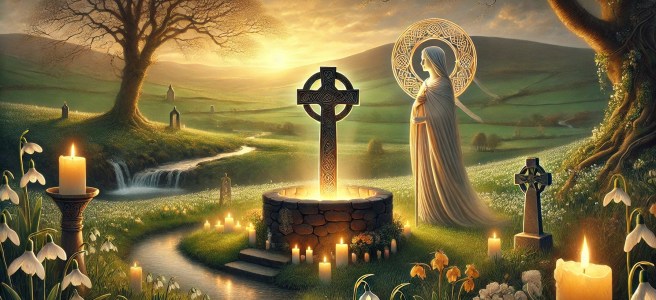
  3. Blessing Wells and Water: As a goddess of healing, Brigid is often associated with sacred wells. Pilgrims visit these wells to pray and leave offerings, believing that the water holds special healing properties during this time.
  4. Feasting: Traditional Imbolc feasts include dairy products, such as butter, cheese, and milk, which were historically plentiful at this time of year due to the lactation of sheep.
  5. Planting Seeds: This symbolic act represents new beginnings and the hope for a bountiful harvest in the coming seasons.

Modern Celebrations of Imbolc and St. Brigid’s Day

In Ireland and among Irish communities worldwide, St. Brigid’s Day is gaining recognition as both a cultural and spiritual celebration. Festivals, parades, and workshops dedicated to Brigid’s legacy and the themes of renewal and creativity are becoming more widespread. In 2023, St. Brigid’s Day was officially recognized as a public holiday in Ireland, highlighting its growing significance.

Beyond its cultural heritage, Imbolc resonates with people from various backgrounds who seek to honor the natural cycles of the earth. Celebrations often include nature walks, meditation, and creative activities like poetry writing or crafting.

St. Brigid’s Cross: A Symbol of Protection and Faith

One of the most iconic symbols of St. Brigid’s Day is the St. Brigid’s cross. Typically woven from rushes or straw, the cross is traditionally placed above doorways to protect homes from harm. According to legend, St. Brigid used this design to explain the Christian faith to a dying pagan chieftain, leading to his conversion.

Today, many families continue the tradition of crafting St. Brigid’s crosses as a way to connect with their heritage and invoke blessings for health and safety.

Imbolc’s Spiritual Significance

For those who observe the Wheel of the Year, Imbolc is a deeply spiritual time. It encourages reflection on personal growth, the setting of new intentions, and the embracing of hope. The themes of fire and water—light and purification—serve as reminders of the balance between nurturing and transformation.

In contemporary spirituality, Imbolc rituals may include:

  • Lighting a central candle and meditating on the light within oneself.
  • Writing intentions for the year ahead and symbolically planting them with seeds.
  • Performing rituals to release past burdens and welcome renewal.

How to Celebrate Imbolc and St. Brigid’s Day at Home

Whether you have Irish roots or simply feel drawn to the themes of Imbolc, there are many ways to celebrate at home:

  1. Create a Seasonal Altar: Include symbols of Brigid, such as candles, a St. Brigid’s cross, and representations of fire and water.
  2. Cook Traditional Foods: Prepare dishes that honor the season, like colcannon (mashed potatoes with kale or cabbage), oatcakes, or dairy-based desserts.
  3. Weave a St. Brigid’s Cross: Gather rushes, straw, or even paper strips to craft your own protective cross.
  4. Go on a Nature Walk: Reflect on the early signs of spring, such as budding plants and longer daylight hours.
  5. Express Creativity: Write a poem, paint, or engage in any creative activity that pays homage to Brigid’s role as a patron of the arts.

Imbolc and St. Brigid’s Day Gifts

To further celebrate this sacred time, The Irish Jewelry Company offers a range of beautifully crafted items inspired by Irish heritage. Explore our St. Brigid’s Cross Necklace and other meaningful pieces that honor the spirit of renewal and protection. Perfect as gifts or personal keepsakes, these jewelry items carry the rich symbolism of Imbolc and St. Brigid’s Day.

Embrace the Light and Renewal of Imbolc

Imbolc and St. Brigid’s Day offer a powerful reminder that light always follows darkness. By embracing the traditions and spiritual significance of this festival, we reconnect with ancient wisdom that continues to inspire and guide us today. As you light your candles and set your intentions, may you find renewal, hope, and protection in the blessings of Imbolc.

Celebrate the magic of this season with us at The Irish Jewelry Company, where heritage and beauty come together to create timeless treasures.

Irish Women You Should Know: Fierce and Inspirational Figures in Irish History

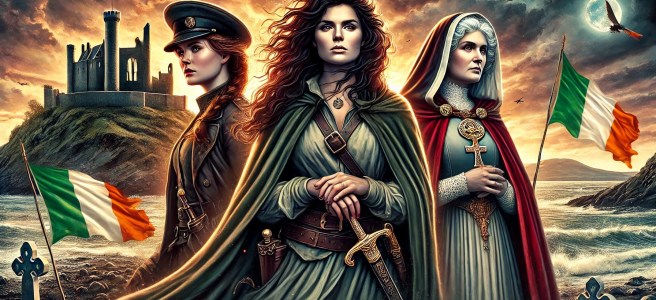
Ireland has long been home to powerful, trailblazing women who have shaped history, challenged norms, and left an indelible mark on Irish culture. From fearless warriors to revolutionary leaders, pioneering writers, and modern-day changemakers, the story of the Irish woman is one of resilience, strength, and brilliance. Here are some of the most inspiring Irish women you should know.

1. Grace O’Malley (Gráinne Mhaol) – The Pirate Queen

Born in 1530, Grace O’Malley, also known as Gráinne Mhaol, was a fearless leader of the sea. As a chieftain of the O’Malley clan in County Mayo, she defied gender roles, commanded a fleet of ships, and fought against English rule. Known as the “Pirate Queen of Ireland,” she even met Queen Elizabeth I to negotiate better treatment for the Irish. Grace O’Malley remains a symbol of strength, independence, and defiance against oppression.

Wear your Irish warrior spirit with our Celtic Warrior Shield Pendant.

2. Constance Markievicz – The Revolutionary

One of the most famous Irish women in history, Constance Markievicz was a revolutionary, suffragist, and the first woman elected to the British Parliament in 1918. She played a crucial role in the 1916 Easter Rising, fighting alongside men and refusing to be relegated to traditional gender roles. Her dedication to Irish independence and social justice makes her an enduring figure of empowerment.

Celebrate revolutionary Irish women with our Irish Freedom Pendant.

3. Brigid of Kildare – Ireland’s Patroness Saint

Saint Brigid of Kildare, one of Ireland’s three patron saints, was a powerful Irish woman known for her charity, wisdom, and leadership. Born in the 5th century, she founded the famous monastery of Kildare and played a key role in spreading Christianity across Ireland. Her legacy continues to be celebrated every year on St. Brigid’s Day (February 1st), which is now recognized as a national holiday in Ireland.

Honor St. Brigid with our St. Brigid’s Cross Necklace.

4. Máiread Corrigan and Betty Williams – The Peace Activists

Máiread Corrigan and Betty Williams co-founded the Peace People movement in Northern Ireland during the Troubles. After witnessing the tragic deaths of three children in Belfast, they dedicated themselves to promoting peace and reconciliation. Their work earned them the Nobel Peace Prize in 1976, making them among the most celebrated Irish women in history.

5. Anne Devlin – The Unsung Hero of the Irish Rebellion

Loyal to Irish revolutionary Robert Emmet, Anne Devlin endured imprisonment and torture rather than betray her comrades. Despite her sacrifices, history largely overlooked her contributions until recently. She remains a symbol of courage and loyalty in the fight for Irish freedom.

6. Eileen Gray – The Visionary Designer

Eileen Gray, born in County Wexford in 1878, was a pioneering architect and furniture designer. A leader in the Modernist movement, she created timeless pieces that continue to be celebrated today. Gray’s work remains influential in contemporary architecture and interior design.

7. Mary Robinson – Ireland’s First Female President

Mary Robinson shattered political barriers when she became Ireland’s first female President in 1990. She focused on human rights, equality, and social justice, later serving as the United Nations High Commissioner for Human Rights. Robinson’s impact on Ireland and the world is profound, inspiring many young Irish women to pursue leadership roles.

8. Sinéad O’Connor – The Fearless Voice

A truly unique and bold Irish womanSinéad O’Connor used her music and platform to challenge societal norms. From her haunting rendition of “Nothing Compares 2 U” to her outspoken activism on issues such as child abuse, mental health, and women’s rights, she was never afraid to speak her truth. Sinéad O’Connor’s legacy as a rebellious and fearless artist lives on.

9. Katie Taylor – The Champion of Champions

Katie Taylor, a professional boxer and Olympic gold medalist, has put Ireland on the global sports map. As one of the most successful female athletes in the world, she has broken barriers in a male-dominated sport and continues to inspire young girls to pursue their passions fearlessly.

10. Emma Donoghue – The Literary Trailblazer

Irish literature has produced many legendary writers, and Emma Donoghue is one of the most influential modern voices. Her novel Room was an international bestseller and adapted into an Oscar-winning film. Through her storytelling, she highlights the power of Irish women in literature and the arts.

Celebrating the Legacy of Irish Women

The contributions of Irish women throughout history and in modern times have been remarkable. Their courage, intelligence, and determination continue to shape Ireland and inspire future generations. Whether as warriors, activists, leaders, or artists, these women have left a lasting impact that cannot be ignored.

As we celebrate these extraordinary figures, it’s important to recognize the role of Irish women in shaping our world. Their stories remind us of the power of resilience, passion, and perseverance—qualities that define the spirit of Ireland itself.

If you’re proud of Ireland’s strong and inspirational Irish women, explore our collection of Celtic jewelry that honors their legacy. Shop our exclusive designs inspired by the warrior queens, saints, and heroines of Ireland! Shop Now

Celtic Symbols & Their Meanings: Ancient Wisdom in Irish Jewelry

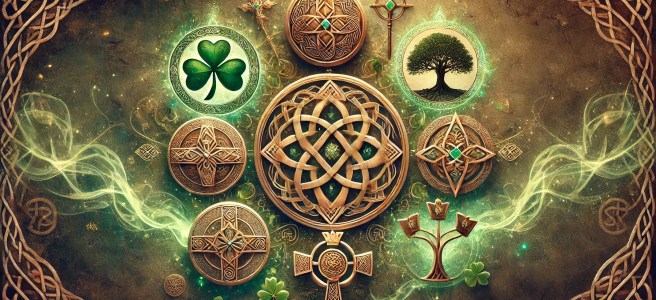
For centuries, Celtic symbols have carried deep meanings, representing faith, love, eternity, and protection. From the legendary Claddagh Ring to the timeless Celtic Cross, these mystical emblems continue to inspire and connect us to Ireland’s heritage.

Whether you’re searching for a Trinity Knot necklace, a Celtic warrior shield pendant, or a Tree of Life bracelet, The Irish Jewelry Company offers beautifully crafted pieces that embody these ancient designs. Let’s explore the most popular Celtic symbols and their meanings, and how you can wear a piece of Irish history every day.

1. The Trinity Knot – A Symbol of Eternal Love

One of the most recognizable Celtic symbols, the Trinity Knot (Triquetra) represents the interconnectedness of mind, body, and spirit. It is often associated with eternal love and the Holy Trinity in Irish Christian tradition.

✨ Shop the Look: Sterling Silver Stone Set Trinity Knot Pendant

2. The Claddagh Ring – Love, Loyalty, and Friendship

The iconic Claddagh Ring features a heart (love), hands (friendship), and a crown (loyalty). Originating from the fishing village of Claddagh in Galway, it’s the ultimate symbol of devotion. Wear it with the heart facing outward if you’re single and inward if your heart is taken.

✨ Shop the Look: September Birthstone Claddagh Ring

3. The Celtic Cross – A Blend of Faith and Heritage

The Celtic Cross combines the traditional Christian cross with a circular ring, symbolizing eternity. Found across Ireland’s landscapes, these crosses date back to early Christian times, blending pagan and Christian beliefs.

✨ Shop the Look: Ogham Faith Cross

4. The Tree of Life – Growth and Strength

The Tree of Life (Crann Bethadh) represents strength, harmony, and rebirth. In ancient Celtic tradition, trees were sacred, symbolizing wisdom and connection between earth and the divine.

✨ Shop the Look: Celtic Tree of Life Pendant

5. The Celtic Warrior Shield – Strength and Protection

Inspired by the Ardagh Chalice, the Celtic Warrior Shield design honors the bravery of ancient Celtic warriors. This intricate motif is a symbol of strength and protection, perfect for those who embrace their Irish roots.

✨ Shop the Look: Celtic Warrior Shield Pendant

6. The Dara Knot – Symbol of Resilience

Derived from the Irish word ‘doire’ (oak tree), the Dara Knot signifies inner strength and perseverance, much like the mighty oak’s deep roots.

✨ Shop the Look: Celtic Knot Jewelry

7. The Spiral – A Journey Through Life

The Celtic Spiral represents growth, evolution, and cosmic energy. Used in ancient carvings, this symbol reflects life’s cycles and spiritual expansion.

✨ Shop the Look: Celtic Spiral Pendant

8. The Ailm – Strength and Purity

The Ailm is one of the Ogham symbols, associated with purity and new beginnings. It’s perfect for those embracing personal growth and transformation.

✨ Shop the Look: Ogham Jewelry

9. The Shamrock – Luck and Irish Pride

Used by St. Patrick to explain the Holy Trinity, the Shamrock is one of Ireland’s most beloved symbols. Today, it represents good luck and Irish heritage.

✨ Shop the Look: Lil Irish Devil Shamrock Necklace

10. The Celtic Heart Knot – Everlasting Love

The Celtic Heart Knot intertwines to form an unbroken loop, symbolizing eternal love and devotion. A perfect gift for weddings or anniversaries.

✨ Shop the Look: Double Claddagh Heart Necklace


Why Wear Celtic Symbol Jewelry?

Celtic symbols transcend time, offering a deep connection to Irish history, faith, and love. Whether you wear a Claddagh Ring as a sign of loyalty, a Celtic Cross for faith, or a Tree of Life pendant for balance, these ancient emblems tell a powerful story.

At The Irish Jewelry Company, we craft high-quality pieces that honor Irish tradition. Each design is inspired by Celtic culture and made to be treasured for generations.

Shop Authentic Celtic Symbol Jewelry Today

Discover the perfect Celtic jewelry piece that speaks to your soul. Browse our collection at The Irish Jewelry Company and bring a piece of Ireland into your life.