
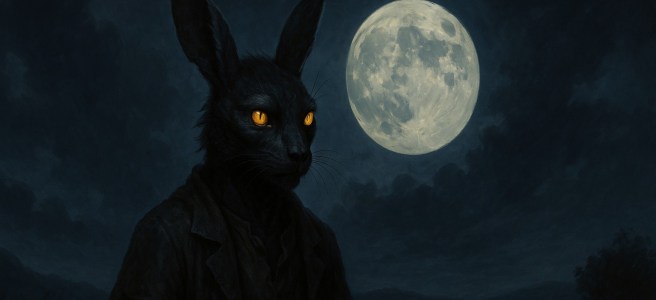
Puca – The Shape-Shifting Spirit of Celtic Folklore
The Puca, sometimes spelled púca, pooka, puck, or pwca, is one of the most fascinating and mysterious creatures in Celtic mythology. Known for its ability to shape-shift, this mischievous yet sometimes helpful spirit has roamed the hills, coasts, and forests of Ireland, the British Isles, and even the Channel Islands for centuries.
The Puca can be a bringer of blessings or chaos, depending on its mood. In one story, it’s a friendly guide offering safe passage. In another, it’s a terrifying phantom that whisks you away on a midnight ride. Whether feared or revered, the Puca remains a cornerstone of Irish and British folklore, and its legacy continues to inspire storytellers, artists, and festival-goers today.
Origins of the Puca and Its Many Names
The name “púca” comes from the Irish word meaning “spirit” or “ghost.” Over time, this folkloric being has been known by many names:
- Pooka – Common in English-language Irish folklore
- Puck – Known from English tradition, famously immortalized by Shakespeare in A Midsummer Night’s Dream
- Pwca – A Welsh variation
- Pouque – Used in the Channel Islands
- Puca – The modern anglicized spelling
Despite the variations, all these names describe a supernatural entity that blurs the line between benevolence and malevolence.
The Nature and Powers of the Puca
Puca powers are the heart of its legend. Known as one of the most versatile shape-shifters in Celtic mythology, the Puca can take many forms—some alluring, others terrifying. Its transformations include:
- Púca rabbit – A sleek black or white hare that appears suddenly on moonlit roads.
- Púca cat – A mysterious feline with burning eyes, sometimes as large as a panther.
- Puca man – A tall figure with animal ears or glowing eyes, blending human and beast.
- Puca goblin – Mischievous, small, and quick, playing pranks on travelers.
- Horses, goats, dogs, and even birds.
In most tales, the Puca is nocturnal, appearing after twilight to either help or hinder those it encounters.
The Puca’s Appearance and Color
Descriptions of the Puca vary by region and storyteller. Sometimes it’s an inky black creature with glowing yellow eyes; in other traditions, it appears in brilliant white. These Puca colors often symbolize its nature at the time, white for benevolence, black for trickery or danger.
Its most common features include:
- Glossy, dark, or white fur or hair
- Long, sharp ears
- Gleaming, intelligent eyes
- A mysterious, almost magnetic presence
When in Puca man form, it’s often said to wear ragged clothes and possess an unsettling, otherworldly beauty.
The Dual Nature of the Puca – Good Fortune and Mischief
What makes the Puca so intriguing is its unpredictable nature. Unlike purely evil spirits or benevolent fairies, the Puca embodies both light and dark qualities.
Helpful Puca Tales
- Guiding lost travelers home at night
- Warning farmers of coming storms
- Blessing crops with abundant harvests
- Offering wisdom or cryptic advice
Mischievous or Malevolent Puca Tales
- Taking riders on wild midnight journeys through dangerous terrain
- Leading people astray into bogs or cliffs
- Frightening livestock or spoiling milk
- Playing tricks that leave humans shaken but unharmed
This balance of traits mirrors the natural world, beautiful and bountiful, yet unpredictable and dangerous.
Folklore and Harvest Time – The Puca’s Seasonal Connection
In many Irish traditions, the Puca is linked to Samhain (Halloween) and the harvest season. It was believed that after the crops were harvested, the Puca would roam the fields at night, blessing or cursing the remaining produce. Farmers often left a portion of the harvest, known as the “Puca’s share,” to appease it.
Even today, the Púca Festival in Ireland celebrates this folklore with music, storytelling, and costumed performances honoring the spirit’s wild nature.
Puca in Literature and Pop Culture
The Puca has left its hoofprints (and pawprints) across centuries of literature and art.
- In Shakespeare’s Puck, the trickster fairy from A Midsummer Night’s Dream, we see echoes of the Irish Puca.
- In modern fantasy, the Puca often appears as a shape-shifting guide or antagonist.
- Local legends still inspire children’s stories, Halloween events, and even video games.
Its adaptability as a myth mirrors its shape-shifting powers—it can fit into any era’s storytelling.
Regional Variations of the Puca
Different areas have unique interpretations of the Puca:
- Irish Puca – Both feared and respected; often associated with wild, rural places.
- Welsh Pwca – More of a household spirit, offering blessings in exchange for respect.
- English Puck – More playful and theatrical, a bringer of mild chaos.
- Channel Islands Pouque – A reclusive spirit living in remote landscapes.
Puca Pronunciation and Language Notes
In Irish, Púca pronunciation is roughly “POO-ka.” In Welsh, “Pwca” is pronounced “POO-ka” as well. The English “Puck” shortens and alters the sound, but all trace back to similar linguistic roots meaning “spirit” or “ghost.”
People Also Ask – Puca FAQs
What is an Irish Puca?
An Irish Puca is a supernatural shape-shifter from Celtic folklore, capable of bringing good or bad fortune depending on its mood and form.
What is the meaning of Puca?
The word “Puca” comes from the Irish for “spirit” or “ghost,” symbolizing a mystical being with unpredictable behavior.
Is a Puca a fairy?
Yes, in many traditions, the Puca is considered part of the fairy realm, though it’s wilder and less predictable than most household fairies.
What does a Púca look like?
A Puca may appear as a black or white horse, goat, hare, cat, goblin, or even a human with animal traits. Its Puca color often hints at its intentions.
Get in Touch
At The Irish Jewelry Company, we love sharing the rich stories, myths, and traditions of Ireland, from the Puca of Celtic folklore to the symbols you can wear every day. If you have questions about Irish mythology, want to share your own Puca stories, or are looking for unique Celtic jewelry inspired by Ireland’s legends, we’d love to hear from you.
Follow us on Social Media:
- Facebook: The Irish Jewelry Company
- Instagram: @theirishjewelrycompany
- Pinterest: The Irish Jewelry Company
Whether you’re captivated by the mysterious Puca or simply want to connect with Irish heritage, we’re here to help you find the perfect piece of jewelry or the perfect story to tell.
 irish culture and traditions