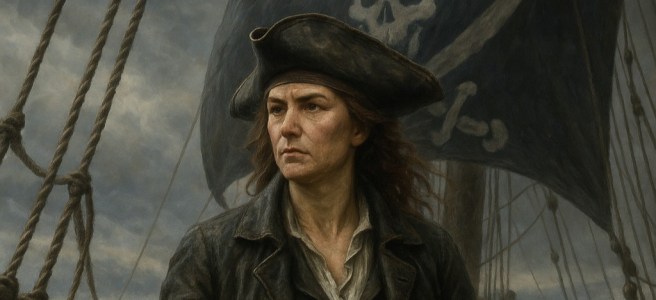
Grace O’Malley: Ireland’s Famous Pirate The Pirate Queen

Grace O’MalleyThe Pirate Queen

Who was Grace O’Malley?

Grace O’Malley, also known as Gráinne Mhaol, was Ireland’s most legendary female pirate, better remembered as the Pirate Queen of Connacht. Born around 1530 into the powerful O’Malley clan of County Mayo, Grace grew up along the rugged western coast of Ireland. The O’Malleys were a seafaring family, controlling shipping routes and coastal trade. From an early age, Grace was fascinated by the sea.

Stories say she once cut her hair short to convince her father to let her sail, earning the nickname “Gráinne Mhaol,” meaning “Bald Grace.” Soon, she commanded her own fleet, dominating trade and coastal waters at a time when female leaders were nearly unheard of.

The Conquest of Ireland

Grace’s rise coincided with one of the most turbulent times in Irish history, the Tudor conquest of Ireland. As England expanded its control, Irish chieftains were forced to submit or fight. Grace O’Malley became a fearless leader, not only navigating treacherous seas but also standing against English forces who threatened her territory.

Her ships raided merchant vessels, levied tolls, and protected her clan’s waters. To some, she was a pirate. To others, she was a patriot—defending Irish independence at sea.

Grace O’Malley’s Love Life

Grace’s personal life was as dramatic as her adventures at sea. She married twice: first to Donal O’Flaherty, with whom she bore three children, and later to Richard Bourke, nicknamed “Iron Richard.” Unlike many women of her time, Grace refused to live in the shadows of her husband’s. She negotiated alliances, commanded men, and led fleets, showing Ireland that women could wield power both at home and on the seas.

Grace O’Malley and Queen Elizabeth I

One of Grace’s most famous stories is her meeting with Queen Elizabeth I in 1593. Legend says the two women met at Greenwich Palace, with Grace petitioning the Queen to release her captured son and restore her lands.

Despite neither speaking the other’s language, they communicated in Latin. Grace boldly refused to bow before Elizabeth, seeing herself as her equal, not her subject. This remarkable encounter between two powerful women of history continues to capture imaginations worldwide.

Celtic Anchor of Hope Pendant

Sailors like Grace O’Malley believed deeply in the anchor as a symbol of hope and stability. Our Celtic Anchor of Hope Pendant blends this maritime tradition with Celtic design—an inspiring piece for those navigating life’s storms.

Pirate Queen Pendant

Channel Grace’s legendary spirit with our Pirate Queen Pendant. This gold-over-silver necklace is more than jewelry; it’s a reminder of strength, adventure, and the untamed Irish spirit.

Grace O’Malley’s Enduring Impact

Grace O’Malley remains Ireland’s most famous female pirate. To this day, she symbolizes independence, courage, and leadership. Writers, historians, and musicians celebrate her as the true Pirate Queen of Ireland, keeping her story alive across generations.

People also ask:

Is The Pirate Queen based on a true story?
Yes—Grace O’Malley’s life inspired plays, books, and even musicals. Her daring exploits are well-documented in Irish history.

Who was the female pirate queen of Ireland?
Grace O’Malley is universally recognized as the Pirate Queen of Ireland.

What was Grace O’Malley’s petition to the Queen?
She petitioned Queen Elizabeth I for the release of her son and restoration of family lands, successfully negotiating with the English crown.

Who is the most famous pirate queen?
Grace O’Malley holds this title, though other women like Anne Bonny also gained fame on the seas.


International Talk Like a Pirate Day

September 19 is International Talk Like a Pirate Day, a playful celebration where people swap modern speech for hearty “Ahoy, matey!” and “Arrr!” greetings. While lighthearted today, it’s a fun way to honor figures like Grace O’Malley, who truly lived the pirate life.

People also ask:

Why is September 19 Talk Like a Pirate Day?
It began as a joke between friends in 1995 and quickly spread worldwide as a quirky holiday.

Does Krispy Kreme still do Talk Like a Pirate Day?
Many companies once celebrated with promotions, though traditions change yearly.

What is the meaning of Talk Like a Pirate Day?
It’s simply a fun excuse to embrace pirate lingo and celebrate swashbuckling legends.

How do you talk like a pirate greeting?
Common phrases include “Ahoy!” (hello), “Avast!” (pay attention), and “Shiver me timbers!” (surprise).


Irish Jewelry to Spoil Your Loved Ones

From Claddagh rings to Celtic pendants, The Irish Jewelry Company offers timeless treasures inspired by Ireland’s history and legends. Explore pieces that honor your heritage while adding a touch of elegance to everyday wear.

About The Irish Jewelry Company

We are proud to be one of the leading destinations for authentic Irish jewelry. Each piece reflects tradition, craftsmanship, and the magic of Irish culture.

Join our Community!

Celebrate Irish heritage with us, exclusive offers, stories, and special savings await when you join our community! Click here to sign up.
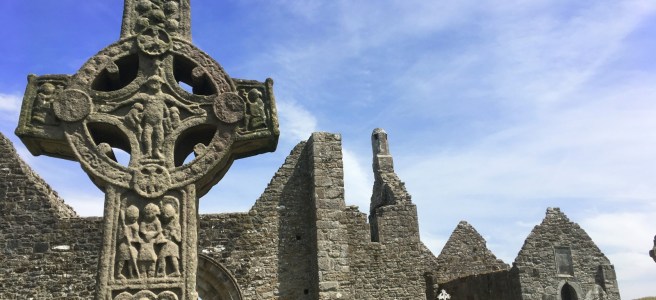
The Celtic Crosses of Clonmacnoise: Ireland’s Stone Testament of Faith and Art

In the rolling heart of Ireland’s midlands lies Clonmacnoise (pronounced “Clon-mac-noyce”), one of the most sacred monastic sites in all of Ireland. Nestled along the River Shannon in County Offaly, Clonmacnoise is home to some of the most famous Celtic Crosses in the world, each intricately carved with biblical stories, Celtic patterns, and ancient Irish artistry. These crosses are not only symbols of Ireland’s spiritual heritage but also powerful works of medieval art that continue to inspire visitors and craftspeople today.

Among them, the Cross of the Scriptures stands tall as one of the finest surviving examples of a Celtic High Cross in Ireland. For centuries, it has captured the imagination of pilgrims, historians, and artists alike and today, it even inspires modern jewelry design, such as the Cross of the Scriptures Necklace.


What is the Clonmacnoise Cross?

When people refer to the “Clonmacnoise Cross,” they usually mean the Cross of the Scriptures, the most celebrated of Clonmacnoise’s high crosses. Standing at nearly 13 feet tall, this sandstone masterpiece dates back to the early 10th century. Its carvings tell biblical stories in a way that monks and laypeople alike could understand a kind of medieval “illustrated Bible” in stone.

Unlike simpler grave markers, Celtic High Crosses like those at Clonmacnoise served a higher purpose. They were both teaching tools and public displays of faith. The Cross of the Scriptures depicts scenes such as:

  • The Crucifixion of Christ
  • The Last Judgment
  • The Arrest of Christ
  • Other Gospel-inspired images

These carvings brought Scripture to life for a largely illiterate population, reinforcing the teachings of the monastery. To stand before the cross even today is to witness Ireland’s history carved into stone.


What is the Most Famous Celtic Cross?

Ireland is dotted with hundreds of Celtic High Crosses, but the Cross of the Scriptures at Clonmacnoise is widely considered one of the most famous. Historians often cite it as the finest example of early medieval stonework. Its detailed panels and iconic ringed cross shape are so influential that countless replicas have been made across Ireland and beyond.

In fact, when you think of the classic Celtic Cross shape, a tall cross with a circle connecting its arms, you’re picturing the style perfected at Clonmacnoise.

The fame of the site is enhanced by its location: perched on the River Shannon, Clonmacnoise was a hub of religion, trade, and scholarship for over a thousand years. Kings and nobles sought burial here, making the crosses not just symbols of faith but also monuments of status and memory.


What is the Significance of Clonmacnoise?

Clonmacnoise is far more than a collection of ruins; it is one of Ireland’s most historically and spiritually significant sites. Founded in the mid-6th century by St. Ciarán of Clonmacnoise, the monastery quickly became one of the great centers of learning and religion in early Christian Ireland.

For centuries, Clonmacnoise was a crossroads where faith, culture, and politics met:

  • A Monastic University: Scholars from across Europe studied here, copying manuscripts, producing metalwork, and creating illuminated texts.
  • A Royal Burial Site: Kings of Tara and Connacht were buried here, giving it immense political prestige.
  • An Artistic Beacon: The site’s round towers, churches, and Celtic crosses influenced architecture and art throughout Ireland.

Today, Clonmacnoise remains one of the most visited heritage sites in Ireland. Its crumbling churches, round towers, and Celtic crosses stand as a testament to Ireland’s early Christian Golden Age.


What Saint is Associated with Clonmacnoise?

The saint most closely associated with Clonmacnoise is St. Ciarán (Ciarán mac an tSaeir). Born around 516 AD in County Roscommon, he was the son of a carpenter and trained under St. Finnian at Clonard before founding his own monastery at Clonmacnoise.

Although St. Ciarán died at a young age, likely around 33, his influence was profound. His monastery thrived long after his death, becoming one of Ireland’s most enduring centers of Christian learning. Today, pilgrims still come to Clonmacnoise to honor his memory.


The Three Great Crosses of Clonmacnoise

While the Cross of the Scriptures is the most famous, Clonmacnoise boasts three monumental high crosses, each with its own story:

1. The Cross of the Scriptures

  • Dates: 10th century
  • Material: Sandstone
  • Features: Carved biblical panels, inscriptions mentioning kings and abbots
  • Significance: Considered the finest surviving high cross in Ireland

2. The North Cross

  • Dates: Likely 8th or 9th century
  • Features: One of the earliest examples of a ringed cross in Ireland
  • Style: Heavily influenced by metalwork, with interlacing designs and abstract patterns
  • Condition: Only the shaft survives, but its carvings show an evolution in cross design

3. The South Cross

  • Dates: 9th century
  • Features: Sometimes called the “Cross of Patrick and Columba”
  • Design: Bold, abstract carvings rather than detailed figural scenes
  • Significance: Symbolically connects Ireland’s two most famous saints, St. Patrick and St. Columba

Together, these crosses show the progression of Irish stone carving from simple abstract designs to fully realized biblical storytelling.


Celtic Cross Symbolism at Clonmacnoise

The Celtic Cross itself is rich with symbolism. Its circle, connecting the arms of the cross, is said to represent eternity, the sun, or the unity of heaven and earth. At Clonmacnoise, the crosses combine Christian faith with older Celtic motifs, creating a uniquely Irish form of devotion.

This fusion of cultures is why the Celtic Cross remains one of the most enduring symbols of Ireland today. It speaks not only to faith but also to heritage and identity.


Clonmacnoise in the Modern World

Visiting Clonmacnoise today feels like stepping back in time. The crosses stand weathered but proud, protected by replicas placed outdoors, while the originals are preserved in a visitor center. Pilgrims and tourists alike are drawn to the site’s quiet majesty, often leaving with a deeper appreciation of Ireland’s spiritual and artistic past.

And yet, the crosses’ influence continues far beyond the monastery walls. From Irish cemeteries to jewelry designs, the Celtic Cross remains a beloved emblem.


From Stone to Jewelry: The Cross of the Scriptures Necklace

At The Irish Jewelry Company, the Cross of the Scriptures Necklace captures the timeless beauty of Clonmacnoise’s most famous high cross in miniature form. Crafted with intricate detail, this piece allows you to carry a part of Ireland’s sacred history with you.

Just as the monks carved biblical stories into stone, modern jewelers translate those same designs into precious metals, creating wearable reminders of faith, heritage, and artistry. For many, owning such a necklace is not only about beauty but also about a spiritual connection to Ireland’s past.


FAQs About Clonmacnoise and Its Crosses

What is the Clonmacnoise Cross?

The Clonmacnoise Cross, also known as the Cross of the Scriptures, is a 10th-century high cross covered in biblical carvings. It stands as one of the most famous Celtic Crosses in Ireland.

What is the most famous Celtic Cross?

The Cross of the Scriptures at Clonmacnoise is widely considered the most famous and finest surviving Celtic High Cross.

What is the significance of Clonmacnoise?

Clonmacnoise was a major center of religion, learning, and politics in medieval Ireland, known for its monastery, royal burials, and artistic achievements.

What saint is associated with Clonmacnoise?

Clonmacnoise was founded by St. Ciarán, who is venerated as its patron and spiritual father.


Conclusion: The Enduring Legacy of Clonmacnoise

The Celtic Crosses of Clonmacnoise are more than ancient stone monuments; they are timeless symbols of Ireland’s faith, artistry, and cultural identity. From the Cross of the Scriptures to the simpler South and North Crosses, they embody a unique blend of Christian devotion and Celtic creativity.

To stand before them is to step into a story that spans over a thousand years. And today, thanks to modern artisans, you don’t need to travel to County Offaly to bring that story home. The Cross of the Scriptures Necklace allows you to wear a piece of Ireland’s sacred history close to your heart, carrying forward the legacy of Clonmacnoise into the present day.

The Irish Jewelry Company: The Original Online Claddagh Store with the Largest Selection of Claddagh Rings Now Offers More Ways to Pay

FOR IMMEDIATE RELEASE

New York – August 9, 2025

The Irish Jewelry Company: The Original Online Claddagh Store with the Largest Selection of Claddagh Rings Now Offers More Ways to Pay

New York, NY – For over two decades, The Irish Jewelry Company has been recognized as the original online Claddagh store and the best place to buy a Claddagh ring online. With the largest selection of Claddagh rings anywhere on the internet, the company continues to set the gold standard for authenticity, quality, and customer service. Now, shopping for an authentic Claddagh ring is even easier, thanks to expanded payment options including Google Pay, Venmo, Amazon Pay, PayPal, and all major credit cards.

Whether customers are searching for the best place to buy a Claddagh ring from Ireland, a gold Claddagh ring, or want to buy a Claddagh ring near meThe Irish Jewelry Company delivers unmatched variety and quality, shipped worldwide from the USA, with many styles made in Ireland and hallmarked by The Irish Assay Office in Dublin Castle.


Why Buy a Claddagh Ring from The Irish Jewelry Company?

  • Authenticity Guaranteed – Many rings are made in Ireland and bear the hallmark stamp of The Irish Assay Office in Dublin Castle, ensuring genuine Irish craftsmanship.
  • Largest Selection Online – From gold Claddagh rings and silver Claddagh rings to men’s Claddagh styles, gemstone-accented rings, and modern designs.
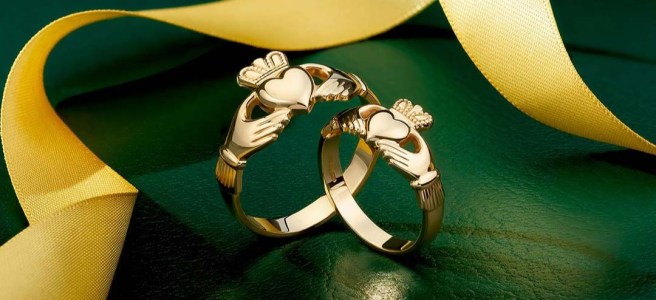
  • Symbolism and Meaning – Every Claddagh ring represents love (heart), loyalty (crown), and friendship (hands). Whether you’re buying for yourself or a loved one, each ring tells a story.
  • Guidance on How to Wear a Claddagh Ring – Detailed resources explain the traditional way to wear your ring depending on your relationship status.
  • More Ways to Pay – Shop confidently with Google Pay, Venmo, Amazon Pay, PayPal, and all major credit cards.
  • Worldwide Shipping – Whether you want to buy a Claddagh ring from Galway, Dublin, or anywhere in Ireland, The Irish Jewelry Company makes it possible to get it delivered to your door.

Things to Consider When Buying a Claddagh Ring

  1. Authenticity: Look for the hallmark stamp if you want a ring made in Ireland.
  2. Material: Choose from sterling silver, 10K, 14K, or 18K gold, with or without gemstones or birthstones.
  3. Design: Select a traditional style or a modern interpretation that reflects your personality.
  4. Symbolism: Decide what message you want your Claddagh ring to convey.
  5. Price: Consider material, craftsmanship, and design when setting your budget.

About the Claddagh Ring

The Claddagh ring is one of the most iconic symbols of Ireland. Originating in the 17th century in the fishing village of Claddagh, Galway, its design represents deep-rooted Irish traditions. The way the ring is worn carries meaning. Worn on the right hand with the heart facing out shows you are single, while worn with the heart facing in shows you are taken. On the left hand, heart inward, it symbolizes marriage.


“For anyone wondering where to buy a Claddagh ring online or where to buy a Claddagh ring in Ireland, our store is the trusted choice for thousands of customers worldwide,” said a spokesperson for The Irish Jewelry Company. “We’re proud to make the tradition of the Claddagh accessible to everyone, no matter where they are.”


About The Irish Jewelry Company

Founded in New York, The Irish Jewelry Company is the leading online destination for authentic Irish jewelry, specializing in Claddagh rings, Celtic wedding bands, and meaningful Irish gifts. Known as the original online Claddagh store, it offers the largest selection of Claddagh rings in gold and silver, with worldwide shipping and superior customer service backed by an impeccable on-time shipping record.

Website: https://www.theirishjewelrycompany.com
Press Contact:
The Irish Jewelry Company
Email: info@theirishjewelrycompany.com

The Luck of the Irish: Fact or Fiction?

The phrase the luck of the Irish is commonly heard today, often to describe someone who seems to enjoy unusually good fortune. But where does this saying come from? Is there really something special about Irish luck, or is it just a myth rooted in folklore and history?

The Origins of “The Luck of the Irish”

Surprisingly, the term luck of the Irish didn’t start out as a positive expression. During the American gold and silver rush in the 19th century, many successful miners were Irish immigrants. Some believed their prosperity was due to sheer luck rather than hard work, coining the phrase in a somewhat dismissive tone. Over time, however, it evolved into a term that celebrates Irish resilience, charm, and fortune.

Irish Folklore and the Power of Luck

Ireland’s rich mythology has long linked luck with magical symbols and protective charms.

  • Four-Leaf Clovers: Finding one is said to bring immense good fortune because they are rare. Each leaf symbolizes faithhopelove, and luck.
  • The Shamrock: Revered by Saint Patrick, the shamrock was believed to ward off evil spirits and attract blessings.
  • Horseshoes: An iron horseshoe hung above a door is believed to protect the household and bring prosperity.
  • The Claddagh Ring: This iconic Irish symbol of love, loyalty, and friendship is thought to bring good luck in relationships.

Irish Symbols That Attract Luck

For those seeking a touch of Irish magic, consider wearing jewelry that embodies these traditional lucky symbols. At The Irish Jewelry Company, you can find a variety of lucky charmsshamrock necklaces, and Claddagh rings designed to bring you good fortune and celebrate your Irish heritage.

Famous Examples of “The Luck of the Irish

The Irish have long been associated with incredible stories of luck. Here are a few famous examples:

  • The Blarney Stone: Kissing the famous stone at Blarney Castle is believed to gift the kisser with the “gift of the gab” — eloquence and charm.
  • The Legend of the Leprechaun: These mischievous fairies are said to guard pots of gold at the end of the rainbow, rewarding those clever enough to catch them.

How to Bring Irish Luck into Your Life

If you’re hoping to channel the legendary “luck of the Irish,” consider these timeless traditions:

  1. Wear Irish Jewelry: Pieces like the Claddagh Ring or Shamrock Pendant are said to invite luck and blessings.
  2. Display a Horseshoe: Place it above your doorway to ward off bad luck.
  3. Embrace Positive Energy: Irish culture emphasizes kindness, gratitude, and generosity — attitudes that naturally attract good fortune.

Conclusion

Whether you believe in the power of Irish luck or simply admire its cultural charm, embracing these traditions can add a touch of magic to your life. From the iconic Claddagh Ring to the mystical four-leaf clover, there are countless ways to celebrate the enduring legend of Irish luck.

Browse The Irish Jewelry Company for authentic Irish jewelry pieces that embody the luck, charm, and beauty of Ireland.

The Shamrock: A Timeless Symbol of Ireland, Faith, and Fortune

The Meaning of the Shamrock: More Than Just a Clover

The shamrock, a three-leafed clover, is one of Ireland’s most treasured and recognized symbols, deeply woven into the country’s history, culture, and faith. Its name derives from the Irish word “seamróg” (pronounced sham-rog), meaning “little clover.”

Many mistakenly believe the shamrock is simply a lucky charm, but its true meaning runs much deeper. The three leaves of the shamrock hold great significance, each one representing faith, hope, and love. Some traditions also associate the leaves with the Holy Trinity—Father, Son, and Holy Spirit, a belief strongly linked to St. Patrick.

Origins and History: St. Patrick and the Shamrock

The shamrock’s connection to St. Patrick, Ireland’s patron saint, dates back to the 5th century when he used the three-leaved plant to explain the concept of the Holy Trinity while spreading Christianity in Ireland. This simple, natural illustration helped convert the Irish people to Christianity, solidifying the shamrock as a symbol of faith and divine protection.

While historians debate whether this legend is fact or folklore, the shamrock has undeniably become an emblem of Ireland and Irish pride, appearing on coins, flags, official emblems, and even Irish military uniforms throughout history.

The Shamrock as a Symbol of Ireland

The shamrock has long been used as a national symbol of Ireland, representing luck, prosperity, and resilience. It is worn proudly by the Irish, especially on St. Patrick’s Day (March 17th), as a symbol of national identity and spiritual heritage.

During the 18th century, the shamrock took on a more political meaning, becoming a symbol of Irish independence during British rule. Irish soldiers wore the shamrock as a badge of honor, and even today, the tradition of drowning the shamrock continues—a practice where the shamrock is placed in a glass of whiskey before being drunk in a toast to Ireland and St. Patrick.

Shamrock Sayings and Irish Blessings

The shamrock is also deeply embedded in Irish folklore and blessings, bringing good fortune, happiness, and protection to those who carry it. Some of the most famous Irish blessings and sayings about the shamrock include:

  • “A best friend is like a four-leaf clover—hard to find and lucky to have.”
  • “May your blessings outnumber the shamrocks that grow, and may trouble avoid you wherever you go.”
  • “For each petal on the shamrock, this brings a wish your way—good health, good luck, and happiness for today and every day.”
  • “The shamrock—God’s way of reminding us that He is always with us.”
  • “May luck be with you wherever you go, and your blessings outnumber the shamrocks that grow.”

These Irish sayings and blessings continue to connect people to their heritage, making the shamrock a powerful symbol of faith, fortune, and friendship.

The Shamrock and St. Patrick’s Day Traditions

On St. Patrick’s Day, people worldwide wear shamrocksdecorate with the green clover, and partake in Irish celebrations. The shamrock is worn on lapels, embroidered onto clothing, and even painted on faces as a tribute to Ireland’s patron saint.

One of the most famous St. Patrick’s Day traditions is the “wearing of the green”, which originated from wearing a shamrock on the holiday. It is also common to see the shamrock in Irish parades, pubs, and festivities as a symbol of unity and Irish pride.

The Luck of the Irish: The Shamrock vs. the Four-Leaf Clover

Although often confused, the shamrock and the four-leaf clover are not the same. While the shamrock has three leaves (symbolizing faith, hope, and love), the four-leaf clover is a rare variation believed to bring extra luck. Finding a four-leaf clover is said to grant good fortune, with each leaf representing faith, hope, love, and luck.

Embrace the Shamrock’s Magic with Irish Jewelry

If you want to carry the symbolism of the shamrock with you, a shamrock pendant, Claddagh ring, or Celtic charm bracelet is a beautiful way to do so. Discover timeless Irish shamrock jewelry at The Irish Jewelry Company, where every piece celebrates Ireland’s rich traditions.

FAQs About Claddagh Rings: Meaning, History, and How to Wear Them

Frequently Asked Questions About Claddagh Rings

What Is a Claddagh Ring?

A Claddagh ring is a traditional Irish ring that symbolizes love, loyalty, and friendship. The design features a heart representing love, hands symbolizing friendship, and a crown signifying loyalty. Claddagh rings have been worn for centuries and remain an iconic piece of Irish heritage.

Shop Our Collection:
Claddagh Rings Collection


How Do You Wear a Claddagh Ring?

The way you wear a Claddagh ring determines its meaning:

  • If you are single, wear it on your right hand with the heart facing outward.
  • If you are in a relationship, wear it on your right hand with the heart facing inward.
  • If you are engaged, wear it on your left hand with the heart facing outward.
  • If you are married, wear it on your left hand with the heart facing inward.

Shop Women’s Claddagh Rings:
Women’s Claddagh Rings

Shop Men’s Claddagh Rings:
Men’s Claddagh Rings


Can Anyone Wear a Claddagh Ring?

Yes, anyone can wear a Claddagh ring. While it has deep Irish roots, the symbolism of love, friendship, and loyalty is universal. Claddagh rings make meaningful gifts for people of all backgrounds, whether for romantic partners, friends, or family members.

Browse Authentic Claddagh Rings:
Authentic Claddagh Rings


What Is the Meaning Behind a Claddagh Ring?

A Claddagh ring represents three core values:

  • Love (heart)
  • Loyalty (crown)
  • Friendship (hands)

This timeless symbol has been passed down for generations and is often given as a token of commitment, whether in friendship, engagement, or marriage.

Explore Our Claddagh Engagement Rings:
Claddagh Engagement Rings


Where Do Claddagh Rings Come From?

Claddagh rings originate from the Claddagh region in Galway, Ireland. They date back to the 17th century and were traditionally used as wedding rings. Today, they are worn worldwide as a symbol of Irish heritage and meaningful connections.

Shop Irish Claddagh Jewelry:
Claddagh Jewelry Collection


Are Claddagh Rings Good for Engagement and Weddings?

Yes, Claddagh rings are commonly used as engagement rings and wedding bands. The design’s meaning of love, loyalty, and friendship makes it an excellent choice for couples.

Shop Claddagh Wedding Rings:
Claddagh Wedding Rings


What Are the Different Styles of Claddagh Rings?

Claddagh rings come in a variety of styles, including:

  • Traditional Claddagh Rings – Classic design in gold or silver
  • Birthstone Claddagh Rings – Featuring gemstones for each birth month
  • Claddagh Engagement Rings – Enhanced with diamonds or precious stones
  • Claddagh Wedding Rings – Elegant bands for couples

Browse All Styles:
Claddagh Rings Collection


How Do I Choose the Right Claddagh Ring Size?

To find the right Claddagh ring size, measure an existing ring or use a ring sizing guide. Our Claddagh rings are available in various sizes to ensure a perfect fit.

Find Your Perfect Fit:
Ring Sizing Guide


What Are Claddagh Rings Made Of?

Claddagh rings are typically made from:

  • Sterling Silver – Affordable and durable
  • Gold (10K, 14K, 18K) – Timeless and valuable
  • Platinum – High-end and long-lasting
  • Gemstone Variations – Birthstones, diamonds, or cubic zirconia

Shop Gold Claddagh Rings:
Gold Claddagh Rings

Shop Silver Claddagh Rings:
Silver Claddagh Rings


Are Claddagh Rings a Good Gift?

Claddagh rings make meaningful gifts for birthdays, anniversaries, engagements, and holidays. They are also popular as graduation gifts or friendship tokens.

Find the Perfect Gift:
Claddagh Rings for Gifts

How to Wear a Claddagh Ring: Meaning, Tradition & Proper Placement

The Tradition of the Claddagh Ring

The Claddagh ring is more than just jewelry; it is a powerful symbol of love, loyalty, and friendship, deeply rooted in Irish history. Originating from the Claddagh village in Galway, Ireland, the ring’s iconic design features three elements:

  • A heart representing love
  • Two hands symbolizing friendship
  • A crown signifying loyalty

Beyond its aesthetic beauty, the Claddagh ring is a timeless tradition that conveys relationship status based on how it is worn. If you’re wondering how to wear your Claddagh ring correctly, keep reading to ensure you honor its meaning.


How to Wear a Claddagh RingThe Claddagh Ring Rules Explained

Single? Wear Your Claddagh Ring on Your Right Hand, Heart Facing Outward

Meaning: Open to love
If you’re single and open to new romantic possibilities, wear your Claddagh ring on your right hand with the heart facing outward (away from you). This signals that you’re available and looking for love.

Shop Now: Find your perfect Claddagh ring here.

In a Relationship? Wear It on Your Right Hand, Heart Facing Inward

Meaning: In a committed relationship
If you are in a relationship, turn the ring so that the heart faces inward (toward you) while still wearing it on your right hand. This signifies that your heart is taken and you are in a loving commitment.

Browse Claddagh Rings for Couples here.

Engaged? Wear It on Your Left Hand, Heart Facing Outward

Meaning: Engaged to be married
Once engaged, move your Claddagh ring to your left hand with the heart pointing outward. This shows that your love is now moving toward marriage.

Celebrate Your Engagement: Discover Claddagh engagement rings.

Married? Wear It on Your Left Hand, Heart Facing Inward

Meaning: Happily married
After marriage, wear your Claddagh ring on your left hand with the heart pointing inward to symbolize a committed and lifelong union.

Find a special Claddagh wedding ring here.


What If You’re Wearing a Claddagh Ring for Heritage?

While the Claddagh ring has strong romantic connotations, many people wear it to honor their Irish heritage. If you’re wearing it as a symbol of family, culture, or friendship, you can choose to wear it on either hand, facing in or out—there’s no strict rule!

Discover more traditional Irish jewelry here.


FAQs About Wearing a Claddagh Ring

Can You Buy a Claddagh Ring for Yourself?

Absolutely! While Claddagh rings are often given as gifts, buying one for yourself is perfectly fine, whether you love its design, symbolism, or Irish roots.

Find your own Claddagh ring here.

Can Men Wear Claddagh Rings?

Yes! The Claddagh ring is unisex and worn by both men and women. Many men opt for larger, bold designs with a masculine touch.

Explore Men’s Claddagh Rings here.

Is It Bad Luck to Buy Your Own Claddagh Ring?

No! This is a common myth. Wearing a Claddagh ring should bring you love and luck, regardless of whether it was gifted or purchased for yourself.


Shop Authentic Claddagh Rings Today

Now that you know how to wear a Claddagh ring, it’s time to find the perfect one! Whether you’re celebrating love, heritage, or tradition, we offer a stunning collection of authentic Claddagh rings for every occasion.

Shop Claddagh Rings Now 

Irish Women You Should Know: Fierce and Inspirational Figures in Irish History

Ireland has long been home to powerful, trailblazing women who have shaped history, challenged norms, and left an indelible mark on Irish culture. From fearless warriors to revolutionary leaders, pioneering writers, and modern-day changemakers, the story of the Irish woman is one of resilience, strength, and brilliance. Here are some of the most inspiring Irish women you should know.

1. Grace O’Malley (Gráinne Mhaol) – The Pirate Queen

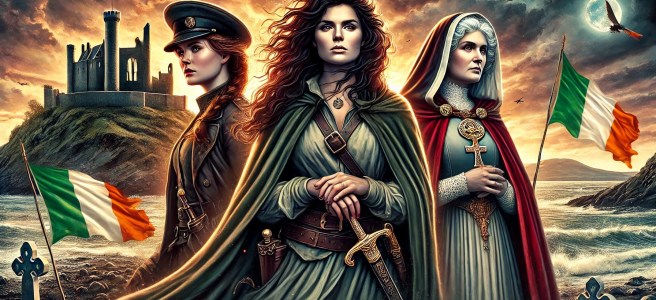
Born in 1530, Grace O’Malley, also known as Gráinne Mhaol, was a fearless leader of the sea. As a chieftain of the O’Malley clan in County Mayo, she defied gender roles, commanded a fleet of ships, and fought against English rule. Known as the “Pirate Queen of Ireland,” she even met Queen Elizabeth I to negotiate better treatment for the Irish. Grace O’Malley remains a symbol of strength, independence, and defiance against oppression.

Wear your Irish warrior spirit with our Celtic Warrior Shield Pendant.

2. Constance Markievicz – The Revolutionary

One of the most famous Irish women in history, Constance Markievicz was a revolutionary, suffragist, and the first woman elected to the British Parliament in 1918. She played a crucial role in the 1916 Easter Rising, fighting alongside men and refusing to be relegated to traditional gender roles. Her dedication to Irish independence and social justice makes her an enduring figure of empowerment.

Celebrate revolutionary Irish women with our Irish Freedom Pendant.

3. Brigid of Kildare – Ireland’s Patroness Saint

Saint Brigid of Kildare, one of Ireland’s three patron saints, was a powerful Irish woman known for her charity, wisdom, and leadership. Born in the 5th century, she founded the famous monastery of Kildare and played a key role in spreading Christianity across Ireland. Her legacy continues to be celebrated every year on St. Brigid’s Day (February 1st), which is now recognized as a national holiday in Ireland.

Honor St. Brigid with our St. Brigid’s Cross Necklace.

4. Máiread Corrigan and Betty Williams – The Peace Activists

Máiread Corrigan and Betty Williams co-founded the Peace People movement in Northern Ireland during the Troubles. After witnessing the tragic deaths of three children in Belfast, they dedicated themselves to promoting peace and reconciliation. Their work earned them the Nobel Peace Prize in 1976, making them among the most celebrated Irish women in history.

5. Anne Devlin – The Unsung Hero of the Irish Rebellion

Loyal to Irish revolutionary Robert Emmet, Anne Devlin endured imprisonment and torture rather than betray her comrades. Despite her sacrifices, history largely overlooked her contributions until recently. She remains a symbol of courage and loyalty in the fight for Irish freedom.

6. Eileen Gray – The Visionary Designer

Eileen Gray, born in County Wexford in 1878, was a pioneering architect and furniture designer. A leader in the Modernist movement, she created timeless pieces that continue to be celebrated today. Gray’s work remains influential in contemporary architecture and interior design.

7. Mary Robinson – Ireland’s First Female President

Mary Robinson shattered political barriers when she became Ireland’s first female President in 1990. She focused on human rights, equality, and social justice, later serving as the United Nations High Commissioner for Human Rights. Robinson’s impact on Ireland and the world is profound, inspiring many young Irish women to pursue leadership roles.

8. Sinéad O’Connor – The Fearless Voice

A truly unique and bold Irish womanSinéad O’Connor used her music and platform to challenge societal norms. From her haunting rendition of “Nothing Compares 2 U” to her outspoken activism on issues such as child abuse, mental health, and women’s rights, she was never afraid to speak her truth. Sinéad O’Connor’s legacy as a rebellious and fearless artist lives on.

9. Katie Taylor – The Champion of Champions

Katie Taylor, a professional boxer and Olympic gold medalist, has put Ireland on the global sports map. As one of the most successful female athletes in the world, she has broken barriers in a male-dominated sport and continues to inspire young girls to pursue their passions fearlessly.

10. Emma Donoghue – The Literary Trailblazer

Irish literature has produced many legendary writers, and Emma Donoghue is one of the most influential modern voices. Her novel Room was an international bestseller and adapted into an Oscar-winning film. Through her storytelling, she highlights the power of Irish women in literature and the arts.

Celebrating the Legacy of Irish Women

The contributions of Irish women throughout history and in modern times have been remarkable. Their courage, intelligence, and determination continue to shape Ireland and inspire future generations. Whether as warriors, activists, leaders, or artists, these women have left a lasting impact that cannot be ignored.

As we celebrate these extraordinary figures, it’s important to recognize the role of Irish women in shaping our world. Their stories remind us of the power of resilience, passion, and perseverance—qualities that define the spirit of Ireland itself.

If you’re proud of Ireland’s strong and inspirational Irish women, explore our collection of Celtic jewelry that honors their legacy. Shop our exclusive designs inspired by the warrior queens, saints, and heroines of Ireland! Shop Now

Celtic Symbols & Their Meanings: Ancient Wisdom in Irish Jewelry

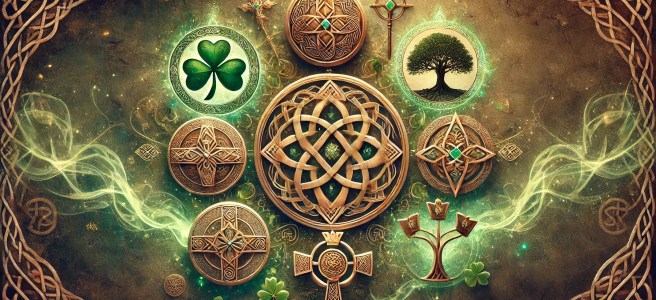
For centuries, Celtic symbols have carried deep meanings, representing faith, love, eternity, and protection. From the legendary Claddagh Ring to the timeless Celtic Cross, these mystical emblems continue to inspire and connect us to Ireland’s heritage.

Whether you’re searching for a Trinity Knot necklace, a Celtic warrior shield pendant, or a Tree of Life bracelet, The Irish Jewelry Company offers beautifully crafted pieces that embody these ancient designs. Let’s explore the most popular Celtic symbols and their meanings, and how you can wear a piece of Irish history every day.

1. The Trinity Knot – A Symbol of Eternal Love

One of the most recognizable Celtic symbols, the Trinity Knot (Triquetra) represents the interconnectedness of mind, body, and spirit. It is often associated with eternal love and the Holy Trinity in Irish Christian tradition.

✨ Shop the Look: Sterling Silver Stone Set Trinity Knot Pendant

2. The Claddagh Ring – Love, Loyalty, and Friendship

The iconic Claddagh Ring features a heart (love), hands (friendship), and a crown (loyalty). Originating from the fishing village of Claddagh in Galway, it’s the ultimate symbol of devotion. Wear it with the heart facing outward if you’re single and inward if your heart is taken.

✨ Shop the Look: September Birthstone Claddagh Ring

3. The Celtic Cross – A Blend of Faith and Heritage

The Celtic Cross combines the traditional Christian cross with a circular ring, symbolizing eternity. Found across Ireland’s landscapes, these crosses date back to early Christian times, blending pagan and Christian beliefs.

✨ Shop the Look: Ogham Faith Cross

4. The Tree of Life – Growth and Strength

The Tree of Life (Crann Bethadh) represents strength, harmony, and rebirth. In ancient Celtic tradition, trees were sacred, symbolizing wisdom and connection between earth and the divine.

✨ Shop the Look: Celtic Tree of Life Pendant

5. The Celtic Warrior Shield – Strength and Protection

Inspired by the Ardagh Chalice, the Celtic Warrior Shield design honors the bravery of ancient Celtic warriors. This intricate motif is a symbol of strength and protection, perfect for those who embrace their Irish roots.

✨ Shop the Look: Celtic Warrior Shield Pendant

6. The Dara Knot – Symbol of Resilience

Derived from the Irish word ‘doire’ (oak tree), the Dara Knot signifies inner strength and perseverance, much like the mighty oak’s deep roots.

✨ Shop the Look: Celtic Knot Jewelry

7. The Spiral – A Journey Through Life

The Celtic Spiral represents growth, evolution, and cosmic energy. Used in ancient carvings, this symbol reflects life’s cycles and spiritual expansion.

✨ Shop the Look: Celtic Spiral Pendant

8. The Ailm – Strength and Purity

The Ailm is one of the Ogham symbols, associated with purity and new beginnings. It’s perfect for those embracing personal growth and transformation.

✨ Shop the Look: Ogham Jewelry

9. The Shamrock – Luck and Irish Pride

Used by St. Patrick to explain the Holy Trinity, the Shamrock is one of Ireland’s most beloved symbols. Today, it represents good luck and Irish heritage.

✨ Shop the Look: Lil Irish Devil Shamrock Necklace

10. The Celtic Heart Knot – Everlasting Love

The Celtic Heart Knot intertwines to form an unbroken loop, symbolizing eternal love and devotion. A perfect gift for weddings or anniversaries.

✨ Shop the Look: Double Claddagh Heart Necklace


Why Wear Celtic Symbol Jewelry?

Celtic symbols transcend time, offering a deep connection to Irish history, faith, and love. Whether you wear a Claddagh Ring as a sign of loyalty, a Celtic Cross for faith, or a Tree of Life pendant for balance, these ancient emblems tell a powerful story.

At The Irish Jewelry Company, we craft high-quality pieces that honor Irish tradition. Each design is inspired by Celtic culture and made to be treasured for generations.

Shop Authentic Celtic Symbol Jewelry Today

Discover the perfect Celtic jewelry piece that speaks to your soul. Browse our collection at The Irish Jewelry Company and bring a piece of Ireland into your life.

Nollaig na mBan: Celebrating Women’s Christmas in Ireland on January 6th

Nollaig na mBan: The Day Irish Women Get the Break They Deserve

Picture this: Christmas is over, the tree is wilting, and the kids have already lost half the toys Santa brought them. Meanwhile, Irish women everywhere are still recovering from weeks of decking the halls, cooking for a small army, and refereeing family debates about who makes the best mince pies. Enter Nollaig na mBan, or Women’s Christmas — a day when Irish women finally get to drop the dishcloth, grab their gal pals, and celebrate themselves. It’s like a mix of Valentine’s Day and Christmas but with better stories and probably some cheeky pints of Guinness.

On January 6, while the men are at home valiantly trying (and often failing) to figure out how the vacuum works, women gather for tea, laughter, and the occasional debate over whose Claddagh ring shines brightest. It’s their day to revel in the spirit of friendship, love, and maybe a little sass about how long it took the lads to “volunteer” for the chores. Honestly, if this isn’t one of Ireland’s best-kept secrets, we don’t know what is.

What is Women’s Christmas (Nollaig na mBan)?

January 6th, known as the Feast of the Epiphany, marks the end of the Christmas season in many cultures. In Ireland, however, this day is also famously celebrated as Nollaig na mBan — or Women’s Christmas. Traditionally, this day is a well-deserved holiday for Irish women, recognizing their hard work throughout the festive season. While the men handle the chores, women gather to enjoy a relaxing and joyful day with friends and family.

Why Is It Called Women’s Christmas?

The name Nollaig na mBan directly translates to “Women’s Christmas.” This unique tradition arose in Irish households where women often carried the brunt of the holiday workload — cooking, cleaning, decorating, and ensuring the celebrations ran smoothly. January 6 was their chance to rest, unwind, and celebrate their own version of Christmas.

What Are the Irish Traditions for January 6?

On Nollaig na mBan, women across Ireland gather in homes, restaurants, or pubs to share meals, exchange gifts, and enjoy each other’s company. It’s a day of camaraderie, laughter, and reflection. Here are some ways Irish women celebrate this cherished tradition:

  1. Tea Parties and Gatherings: Women host or attend afternoon teas featuring traditional Irish treats like barmbrackscones, and mince pies.
  2. Dinner Celebrations: Groups of friends or family dine out, often choosing a cozy Irish pub or local restaurant.
  3. Gift-Giving: Thoughtful gifts, such as jewelry, are exchanged as tokens of appreciation and love.
  4. Relaxation: The men take over the household duties, allowing the women to truly relax.

Celebrate Women’s Christmas with Thoughtful Irish Gifts

Looking for the perfect gift to honor the women in your life on Nollaig na mBan? Explore our collection of Irish jewelry that embodies the spirit of the day:

Why Nollaig na mBan Matters Today

While rooted in tradition, Nollaig na mBan remains highly relevant today. It serves as a reminder to acknowledge the contributions of women in families and communities. It’s also an opportunity for women to prioritize self-care, foster friendships, and celebrate their achievements.

How to Celebrate Nollaig na mBan

Whether you’re Irish or simply inspired by the tradition, here’s how you can honor Women’s Christmas:

  1. Host a Gathering: Invite your closest friends for an afternoon of tea, storytelling, and laughter.
  2. Gift Something Special: Show appreciation with a thoughtful gift, like a piece of Irish jewelry that resonates with their personality.
  3. Support Local Businesses: Shop from Irish artisans or jewelry makers to make your celebration even more meaningful.
  4. Take a Break: Whether it’s a spa day, a good book, or a quiet walk, give yourself permission to unwind.

By weaving together the traditions, history, and meaning of Nollaig na mBan with our curated jewelry collection, this article creates an engaging and SEO-optimized story designed to inform, inspire, and drive sales. Happy Women’s Christmas!