Irish Harvest Festival: Michaelmas & Celtic Autumn Feasts

The arrival of autumn in Ireland has always been more than just a change in season; it marks a time of abundance, gratitude, and preparation for the long, dark winter ahead. In ancient times, the Irish harvest was celebrated through festivals that combined Celtic fall traditions with later Christian observances like Michaelmas. These gatherings were filled with feasts, storytelling, rituals, and symbolic practices that blended the mystical with the practical. Today, echoes of these celebrations remain in Irish culture, offering a glimpse into a way of life deeply tied to the land and its cycles.


The Meaning of the Irish Harvest

The Irish harvest was central to survival. Grains, vegetables, and fruits gathered during autumn determined whether a family or community would thrive through the winter. Traditionally, harvest time began after Lughnasadh in August and extended through September, culminating in feasts such as Michaelmas at the end of the month.

The harvest wasn’t just about food; it symbolized balance. It was a time to honor the Celtic fall traditions that celebrated the bounty of the earth, while also acknowledging the waning light as days grew shorter. Fields were cleared, animals were slaughtered for meat, and thanks were given to gods, saints, and spirits alike.


Michaelmas – The Feast of St. Michael

Christian and Celtic Blending

Michaelmas, held on September 29, honored St. Michael the Archangel, the protector against evil and the harvester of souls. When Christianity spread through Ireland, this feast merged with older Celtic harvest rituals. It marked the turning point of the farming year when debts were settled, workers were paid, and contracts renewed.

Michaelmas Goose and Other Foods

One of the most famous Michaelmas traditions in Ireland was the eating of the Michaelmas goose. Families who could afford it would roast a fattened goose, often served with apples and potatoes. Goose fat was also said to protect against illness during the cold months ahead.
Other staples included:

  • Colcannon (mashed potatoes with cabbage or kale)
  • Barmbrack (fruit bread linked with divination)
  • Apples from the autumn harvest
  • Blackberries, which folklore warned should not be picked after Michaelmas, as the devil was said to spit on them.

Folklore and Superstitions of Michaelmas

  • Protecting Health: Eating goose on Michaelmas was believed to ensure good health for the coming year.
  • Weather Predictions: Farmers watched Michaelmas weather closely, believing it forecasted winter conditions.
  • Blackberry Superstition: A widely held Irish belief held that after Michaelmas, blackberries were spoiled because the devil had cursed them.

Celtic Fall Traditions and Festivals

Long before St. Michael, the Irish honored the harvest with their own rituals. Celtic fall traditions reflected the sacred connection between the natural world and the divine.

Lughnasadh’s Influence

Though primarily celebrated in August, Lughnasadh set the stage for the harvest season. It was dedicated to Lugh, the god of skill and craftsmanship, and featured first-fruit offerings, athletic games, and matchmaking. By Michaelmas, these celebrations shifted to a more solemn recognition of the waning sun and the need for preservation.

Samhain Approaches

Michaelmas was not the end of harvest festivals; it was a bridge to Samhain in late October, when the last of the crops were gathered, and the Celtic new year began. Samhain carried a more spiritual and supernatural weight, while Michaelmas focused on the practical balance of food, contracts, and protection.


Rituals and Customs of the Irish Harvest

The Irish harvest wasn’t only about food and feasts. Customs carried deep symbolic meaning:

  • The Last Sheaf: Farmers often saved the last sheaf of wheat as a charm for good luck. Sometimes it was woven into a Corn Dolly, representing fertility and protection.
  • Bonfires: Leftover from pagan traditions, fires were lit to honor the sun’s power as it faded.
  • Divination Games: Young people used harvest foods like apples and barmbrack to predict their future, especially in matters of love and marriage.
  • Offerings of Thanks: Small gifts of grain or bread were left at sacred wells and stones to appease spirits and ensure blessings.

Michaelmas in Irish History

During medieval times, Michaelmas was one of the “quarter days” when rents were due, servants were hired, and fairs were held. It wasn’t only a religious feast but an economic and social anchor point. Entire villages came together for fairs featuring music, horse trading, storytelling, and dancing.

These fairs carried on traditions from Celtic gatherings like the Aonach, where clans met to celebrate, settle disputes, and arrange marriages. By blending Christian rituals with older Celtic customs, Michaelmas became a truly Irish hybrid celebration.


Symbols of Michaelmas and Celtic Autumn

The Goose

A symbol of protection, sustenance, and foresight.

Blackberries and Apples

Linked to fertility, temptation, and divine blessings.

The Sheaf or Corn Dolly

Representative of the harvest spirit and carried forward into the next planting season.

St. Michael the Archangel

Protector and warrior, blending Christian ideals with Celtic warrior traditions.


How Irish Harvest Traditions Live On Today

While the large-scale harvest feasts of old are no longer central to Irish life, many customs endure:

  • Families still bake barmbrack around late September and October.
  • Irish festivals in towns and villages honor local harvests with food fairs.
  • Michaelmas remains a date of cultural memory, often tied to agricultural events.
  • Folklore, such as the “devil spoiling blackberries,” is still retold in rural areas.

Even in modern celebrations like the National Ploughing Championships, echoes of ancient Celtic fall traditions remain in Ireland’s connection to the land and its cycles.


Celtic Jewelry Inspired by Autumn Festivals

Harvest rituals often included wearing or gifting symbolic jewelry. Celtic knots, sheaves of wheat, and protective talismans were linked to abundance and protection. Today, jewelry inspired by Celtic fall traditions continues to carry these meanings.

Pieces like the Celtic Knot Jewelry serve as modern reminders of ancient cycles of life, death, and renewal. Just as harvests ensured survival, jewelry celebrates endurance and continuity in Irish heritage.


Conclusion

The Irish harvest season, with Michaelmas at its center, reflects Ireland’s ability to weave together the practical and the mystical. From Celtic fall traditions rooted in the land to Christian overlays honoring saints, the autumn feasts of Ireland highlight gratitude, community, and resilience.

Today, these customs endure in folklore, food, and symbolic practices, reminding us to pause, give thanks, and honor both the abundance and impermanence of life. Whether through baking barmbrack, enjoying a Michaelmas goose, or wearing Celtic jewelry with harvest symbolism, these traditions keep Ireland’s rich cultural heritage alive.

Irish Halloween Traditions From Samhain to Today

Over 2,000 years ago, long before pumpkins, candy, and store-bought costumes, the Celtic festival of Samhain marked the end of the harvest and the beginning of winter in Ireland. Many of the Irish Halloween traditions we recognize today, from wearing masks to trick-or-treating can be traced back to this ancient fire festival. In fact, modern Halloween as celebrated worldwide, owes much of its origin to the Celtic festivals of Ireland and Scotland.

In this article, we’ll explore how Samhain gave birth to today’s Halloween, dive into six key traditions that originated in Ireland, and show how these customs still live on—sometimes in surprising ways.


The Celtic Roots of Halloween

Halloween is often thought of as an American holiday, but its roots are deeply Irish. The Celts celebrated Samhain (pronounced SOW-in), one of the four great fire festivals along with Imbolc, Bealtaine, and Lughnasa. Samhain, held from October 31 to November 1, marked the turning of the year, when the light half ended, and the dark half began.

The Celts believed that at this liminal moment, the veil between worlds grew thin. Spirits of ancestors returned to visit their families, while trickster fae and malevolent beings roamed freely. To protect themselves and honor the dead, people lit bonfires, wore disguises, and made offerings of food and drink.

This mixture of reverence, fear, and celebration created the foundations of what we know today as Halloween.


Six Halloween Traditions That Come from Ireland’s Samhain Festival

1. Fabric Masks – Disguising from Spirits

During Samhain, the Irish wore simple fabric masks and costumes made from animal skins or tattered cloth. These disguises weren’t about fun, they were about survival. The belief was that if wandering spirits could not recognize you as human, they would leave you unharmed.

This custom later evolved into the medieval practice of “guising” in Ireland and Scotland, where children and adults would dress up and perform songs or rhymes for food. By the time Halloween crossed the Atlantic with Irish immigrants in the 19th century, guising had transformed into what Americans now call trick-or-treating.

Even today, the act of dressing up at Halloween pays homage to those first Celts who wrapped themselves in cloth and hides to outwit supernatural forces.


2. Lanterns – From Turnips to Pumpkins

Long before carved pumpkins lined porches, the Irish hollowed out turnips, beets, or mangelwurzels to create protective lanterns. These grimacing faces, often illuminated with embers from Samhain bonfires, were designed to ward off evil spirits.

This tradition ties closely to the legend of Stingy Jack, a mischievous man doomed to wander the night with only a carved turnip lantern. When Irish immigrants arrived in America, they discovered the pumpkin to be a larger, easier-to-carve alternative. Thus, the jack-o’-lantern was born, but its soul remains thoroughly Irish.

Lantern-making reflects both the Celtic need for protection and the creativity of ordinary people using whatever materials the earth provided.


3. Jewelery of the Earth – Amulets for Protection

One lesser-known Samhain custom was the use of “jewelery of the earth” charms and natural talismans worn for protection. The Celts believed that stones, shells, and carved bones held magical energy. Wearing them during Samhain offered defense against wandering fae or spirits that might bring mischief.

For example, jet, amber, and bone amulets were popular. Even simple knots carved into wood became powerful symbols. This tradition survives in Ireland today in the wearing of Celtic jewelry, Trinity Knots, Claddaghs, and Celtic crosses, each carrying protective or spiritual meaning.

At The Irish Jewelry Company, you’ll find many designs that echo these ancient protective charms, keeping alive the Celtic festivals’ link between adornment and spirituality.


4. Bairín Breac – Fortune Telling in a Loaf

Halloween in Ireland would not be complete without Bairín Breac, a sweet, yeasted fruit bread often baked with hidden tokens inside. Each item carried a meaning:

  • A ring signified marriage within the year.
  • A coin foretold wealth.
  • A pea or a stick could mean poverty or discord.

Families would slice the loaf at Halloween gatherings, turning the humble bread into a form of fortune-telling. The tradition of Bairín Breac remains popular in Ireland today, showing how food, festivity, and prophecy all came together during Samhain.


5. Protecting from Tricksters – Warding Off Mischief

The Irish believed that on Samhain night, both human and otherworldly tricksters roamed the land. To ward them off, people would leave out offerings of food and drink. This appeased the faeries and spirits, ensuring they passed by peacefully instead of causing harm.

Households also relied on protective charms, iron keys, salt, or even carved symbols above doorways to keep tricksters at bay. Over time, this transformed into the custom of children playing pranks on Halloween, echoing the spirit of mischievous beings once feared in Celtic Ireland.

Today’s Halloween mischief, from egging houses to spooky games, can be traced directly back to the Irish Halloween traditions of protecting against trickery during Samhain.


6. Trick or Treating – Ancient Customs, Modern Fun

The practice of trick-or-treating is one of Halloween’s most beloved customs, and its roots stretch back to Ireland. During Samhain, children and the poor would go door to door singing songs or reciting prayers for the dead in exchange for food. This was known as “souling.”

By the Middle Ages, this evolved into “guising,” where costumed visitors performed tricks for small offerings. When Irish immigrants brought these customs to America, they blended into the tradition of children saying “trick or treat!”

What was once a ritual to honor ancestors has become a playful tradition, but it remains one of the clearest examples of how Celtic festivals shaped the modern Halloween we know today.


Other Irish Halloween Traditions and Folklore

Divination and Games

Beyond Bairín Breac, Samhain nights were filled with fortune-telling games. Apples floated in tubs of water, and young people would try to bite them to see who would marry first. Hazelnuts were roasted in the fire to predict love matches, with each nut named for a potential sweetheart.

Bonfires and Community

Massive bonfires lit the Irish countryside during Samhain, symbolizing purification and protection. Villagers would light torches from the communal fire to rekindle their home hearths, tying the community together.

Honoring the Dead

Families left out an empty chair or plate of food to welcome deceased relatives. This blend of fear and reverence is still visible in the way we think of Halloween as both spooky and sacred.


The Spread of Irish Halloween Traditions Worldwide

When millions of Irish emigrated to America in the 19th century, they carried their Samhain traditions with them. In the United States, these customs mingled with other cultures, evolving into modern Halloween. The jack-o’-lantern, trick-or-treating, and costume parties all owe their existence to these Irish roots.

Today, Halloween is a global holiday, but Ireland remains its spiritual home. Villages like Athboy and Derry now host Celtic festivals every October, re-enacting the lighting of ancient bonfires and celebrating Samhain as their ancestors once did.


Irish Halloween Jewelry – A Modern Connection to Samhain

Jewelry has always been more than decoration in Irish tradition—it’s a link to protection, identity, and heritage. The “jewelery of the earth” worn during Samhain has evolved into modern Celtic pieces that still carry meaning.

  • Trinity Knots symbolize eternity and spiritual protection.
  • Claddagh Rings represent love, loyalty, and friendship.
  • Celtic Crosses echo the blending of pagan and Christian symbolism.

By wearing these designs during Halloween, you connect with the Irish Halloween traditions of warding off spirits and honoring heritage. Explore collections at The Irish Jewelry Company to find meaningful pieces that carry forward the protective spirit of Samhain.


Conclusion – From Samhain Fires to Trick-or-Treat Streets

Halloween may now be a worldwide celebration of costumes, candy, and spooky fun, but its beating heart lies in Ireland’s Samhain festival. From fabric masks and lanterns to Bairín Breac and trick-or-treating, so many of the traditions we hold dear come directly from the Celts, who honored the turning of the year with fire, food, and folklore.

By remembering these origins, we don’t just enjoy Halloween; we honor thousands of years of heritage. Whether you light a jack-o’-lantern, put on a mask, or share a slice of fruit loaf, you’re taking part in rituals that began in the Irish countryside long ago.


FAQ – People Also Ask

Q: What are the origins of Halloween in Ireland?
A: Halloween originated from the Celtic festival of Samhain, celebrated in Ireland over 2,000 years ago. It marked the end of harvest and the start of winter, when spirits were believed to walk among the living.

Q: What Irish Halloween traditions still exist today?
A: Customs such as carving lanterns, dressing in costumes, baking Bairín Breac, and trick-or-treating all come from ancient Samhain practices.

Q: How did Samhain become Halloween?
A: Samhain merged with Christian All Hallows’ Eve in the Middle Ages. Irish immigrants later carried these traditions to America, where they evolved into modern Halloween.

Q: What food is eaten at Halloween in Ireland?
A: The traditional food is Bairín Breac, a fruit loaf baked with hidden charms for fortune-telling. Colcannon, made from potatoes and cabbage, is also popular.

Tips to De-stress Your Christmas Shopping for Holiday Gifts

Christmas Shopping for Holiday Gifts

The holidays should be a season of joy, but for many of us, Christmas Shopping brings stress instead of cheer. From battling crowds at the mall to overspending on last-minute gifts, it’s easy to lose sight of the true spirit of the season. That’s why more and more people are turning to online shopping for stress-free solutions. One of the best ways to simplify your holidays is by shopping Irish jewelry online at The Irish Jewelry Company. Not only will you find meaningful gifts rooted in Irish culture and tradition, but you’ll also enjoy perks like free gift wrap and free shipping.

In this guide, I’ll share practical tips to help you take the stress out of Christmas Shopping while making sure your gifts are thoughtful, unique, and easy to purchase online.


Determine how much you can spend

One of the quickest ways to get overwhelmed during Christmas Shopping is to spend without a plan. Before the season sneaks up on you, set a budget. Decide exactly how much you’re comfortable spending overall, then divide that into categories—family, friends, coworkers, and special extras.

For example, if you’ve allocated $100 per person, think about meaningful gifts that offer value and significance. Irish jewelry, like a Claddagh ring or a Trinity Knot pendant from The Irish Jewelry Company, not only fits beautifully into most holiday budgets but also carries cultural meaning. Setting spending limits ensures you won’t start the New Year with financial regrets.


Don’t feel obligated to buy for everyone

The pressure to buy for every single person you know can make Christmas Shopping exhausting and expensive. Instead, focus on the people who matter most—your close family, significant other, and perhaps one or two friends. For coworkers or larger social circles, think about group gifts or simple gestures like baked goods or handwritten cards.

When it comes to giving something truly special, Irish jewelry makes the perfect choice. It’s timeless, elegant, and deeply meaningful. Choosing from The Irish Jewelry Company allows you to give a cultural keepsake instead of just another generic item from a department store.


Make a list and check it twice

A classic tip, but one that works wonders. Write down everyone you plan to buy for, along with gift ideas for each person. This prevents overspending and keeps you organized. As you shop, check names off your list—it’s both practical and rewarding.

If you’re stumped for ideas, browse through The Irish Jewelry Company’s collections. Their selection of Claddagh rings, Celtic crosses, and family-themed jewelry means you’ll find something for everyone, from your grandmother to your best friend. Incorporating unique Irish pieces into your list makes your Christmas Shopping personal and stress-free.


Look for websites that offer multiple ways to pay, like The Irish Jewelry Company

Another key to stress-free Christmas Shopping is flexibility. The best online stores, such as The Irish Jewelry Company, offer multiple secure payment options like credit cards, PayPal, and even installment plans. This allows you to manage your holiday spending with ease and confidence.

Knowing you can check out quickly and securely means less stress and more time to enjoy holiday traditions like decorating the tree or baking cookies. The peace of mind you get from a smooth transaction process can’t be overstated.


Keep an eye out for the best deals—shop The Irish Jewelry Company clearance

Savvy shoppers know the value of keeping an eye out for seasonal deals. Holiday sales and clearance events can help you stretch your budget further. The Christmas Shopping season is the perfect time to explore The Irish Jewelry Company’s clearance section, where you’ll find beautiful Irish jewelry pieces at discounted prices.

Shopping clearance doesn’t mean compromising on quality. You’ll still receive the same exquisite craftsmanship and cultural designs—whether it’s a Shamrock pendant, Celtic knot earrings, or a Claddagh bracelet. The savings just make it sweeter.


Use online shopping to your advantage (look for companies that offer FREE shipping and FREE gift wrap, like The Irish Jewelry Company)

One of the biggest game-changers in modern Christmas Shopping is the ability to order from the comfort of home. Online shopping eliminates crowded malls, long checkout lines, and endless searching. To make the most of it, choose companies that add value to your order.

The Irish Jewelry Company is a standout because they provide free shipping and free gift wrap. That means not only are you saving money, but you’re also saving time. No more late-night wrapping marathons—your gifts arrive ready to place under the tree.


Think of creative (and inexpensive) gift ideas

Christmas doesn’t have to be about extravagant spending. Some of the most meaningful gifts are the simplest. Handmade crafts, baked goods, or even a heartfelt letter can make lasting impressions.

That said, if you want a thoughtful gift with a lasting impact, Irish jewelry is both creative and affordable. A pair of Celtic knot earrings or a small shamrock pendant from The Irish Jewelry Company is budget-friendly yet rich in meaning. These gifts remind loved ones of their heritage and serve as timeless keepsakes.


Plan ahead and start early (September and October)

One of the smartest moves you can make for stress-free Christmas Shopping is to plan ahead. Starting in September or October gives you plenty of time to compare options, hunt for deals, and avoid last-minute panic. Early shopping also ensures the best selection of items before popular pieces sell out.

Shopping early at The Irish Jewelry Company guarantees you’ll secure meaningful Irish gifts, whether it’s a Claddagh ring for your daughter or a Celtic cross for your spouse. Plus, you’ll be able to relax and actually enjoy December instead of racing against the clock.


About The Irish Jewelry Company

At The Irish Jewelry Company, tradition meets craftsmanship. Their collections feature timeless Irish symbols like the Claddagh, Celtic knots, shamrocks, and Tree of Life designs—all carefully crafted to honor Irish heritage. With free gift wrap, free shipping, and a trusted reputation, they make Christmas Shopping simple, meaningful, and affordable.

Whether you’re looking for a small token of appreciation or a grand holiday gesture, their jewelry ensures your gift will be treasured for years to come. Shopping online with The Irish Jewelry Company isn’t just convenient—it’s an experience rooted in culture, quality, and love.

Christmas in Ireland: A Story of Irish Christmas Tradition

Christmas in Ireland

Christmas in Ireland is more than a holiday; it’s a heartfelt blend of faith, folklore, food, music, and cherished traditions passed down for generations. While Ireland celebrates the season with many similarities to the rest of the world, the country adds its own unique customs that reflect its culture and history. From placing a lighted candle in the window on Christmas Eve to the much-loved Late Late Toy Show, Christmas in Ireland tells a story of family, faith, and festivity.

In this guide, we’ll explore what makes an Irish Christmas so special, covering traditional decorations, food, music, shopping, and the holiday period itself. Whether you’re planning a trip to Ireland during December or simply want to embrace Irish heritage at home, this story will immerse you in the spirit of Christmas in Ireland.


Irish traditions at Christmas

Irish traditions at Christmas are deeply rooted in both Christian devotion and local folklore. The holiday season is marked not only by church services and family gatherings but also by small customs that symbolize hospitality, generosity, and community.

Irish Christmas Decorations

Decorating the home for Christmas in Ireland traditionally begins in early December. Families hang wreaths on their doors, string lights along their homes, and bring in fresh holly and ivy plants associated with ancient Celtic winter traditions. Holly, with its red berries, was thought to provide shelter for the good spirits, and in Irish folklore, it was also believed to ward off misfortune.

The Christmas tree became popular in Ireland during the 19th century, influenced by European customs. Today, streets in Dublin, Galway, and Cork are illuminated with dazzling Christmas lights, making city centers magical destinations during the holiday season.

Santa Claus in Irish

Santa Claus, known in Irish as Daidí na Nollag (Father of Christmas), is fondly called “Santy” across the Republic of Ireland and Northern Ireland. Children hang stockings on Christmas Eve, eagerly awaiting gifts delivered by Santy. In many Irish households, families leave out a mince pie and a glass of Guinness (instead of milk) for Santy, along with a carrot for his reindeer. This playful adaptation reflects the Irish sense of humor and hospitality.

Christmas Candle

One of the most symbolic traditions of Christmas in Ireland is placing a lighted candle in the window on Christmas Eve. This custom, which dates back centuries, is said to welcome Mary and Joseph as they searched for shelter before the birth of Christ. It also serves as a sign of hospitality, showing that the family is offering warmth and light to travelers or strangers.

In earlier centuries, only the youngest daughter of the household could light the candle, which would then burn through the night. Today, many Irish families continue this practice, honoring their faith and heritage with this small but meaningful gesture.

The Christmas Swim

On Christmas morning, thousands of brave souls across Ireland take part in the Christmas Swim, diving into the icy waters of the Atlantic or Irish Sea. Popular spots include the Forty Foot in Dublin, Salthill in Galway, and Sandycove in Cork. While the swim might seem daunting, it’s a charitable event, with participants often raising funds for local causes. This tradition brings communities together, showcasing Irish endurance and festive spirit.

Irish Christmas traditional dinner

Food plays a central role in Christmas in Ireland. The traditional Irish Christmas dinner typically includes roast turkey or goose, ham, stuffing, roast potatoes, Brussels sprouts, and gravy. For dessert, Christmas pudding (a rich fruitcake soaked in whiskey or brandy) is served, often set aflame before being enjoyed with cream or custard. Mince pies and rich fruitcake are staples throughout the season.

Another beloved treat is the Christmas cake, decorated with icing and marzipan, usually prepared weeks in advance. Whiskey or stout is often added during baking, reflecting Ireland’s love of hearty flavors. Sharing food and drink is central to Christmas in Ireland, with every meal becoming an expression of family and community.

December 26th, After Christmas Day

The day after Christmas in Ireland is known as St. Stephen’s Day (December 26). Traditionally, it was marked by the custom of the wren boys, groups of children who dressed in straw costumes, carried a caged wren, and went door-to-door singing songs in exchange for money or food. The money collected was used for a community feast called the “wren party.”

Although the practice of hunting wrens has faded, modern “Wren Day” festivals still occur in parts of Kerry and other regions, celebrating with music, parades, and traditional dress.

Homecoming

Christmas in Ireland is synonymous with homecoming. Adult children traditionally return home on Christmas Eve, and for many Irish emigrants, the holiday is the most important time to reconnect with family. In the past, Irish immigrants to the U.S. or the U.K. would send gifts or money home, often referred to as the “American letter.” This tradition reflects both the sacrifices of emigration and the enduring ties of family.


Christmas shopping in Ireland

In the mid-20th century, the biggest Christmas shopping day in Ireland was December 8th, the Feast of the Immaculate Conception. On this day, schools closed, and families from rural areas traveled to cities to shop for gifts, decorations, and holiday supplies. Stores like Clerys in Dublin famously offered train ticket refunds for customers who spent over £5, cementing the day’s importance.

Though the tradition has waned due to online shopping and the rise of Black Friday, December 8th remains a nostalgic reminder of Irish Christmas shopping. Today, markets such as the Galway Christmas Market and Dublin’s George’s Street Arcade attract both locals and tourists looking for handcrafted gifts.


Holiday celebration period

Traditionally, the Irish holiday season lasted from Christmas Day until January 6th (Little Christmas or Nollaig na mBan). January 6th is known as Women’s Christmas, a day when women rested after weeks of preparing holiday meals and festivities. This marked the official close of Christmas in Ireland.

Homes kept decorations up until this date, following the belief that removing them early brought bad luck. Even today, many families in Ireland continue to observe this extended festive season.


Christmas over the Irish media

The Irish love of storytelling, humor, and music shines during Christmas in Ireland through television, radio, and festive songs.

The Late Late Toy Show

Perhaps the most beloved Irish media tradition is The Late Late Toy Show, an annual edition of RTÉ’s Late Late Show that airs at the end of November. Children demonstrate toys, perform skits, and enjoy surprises, while families across Ireland gather to watch. The Toy Show marks the unofficial start of the holiday season and is fondly remembered by generations of Irish children.

Irish Radio

Radio traditions also play a huge part in Christmas in Ireland. Joe Duffy’s walk down Grafton Street in Dublin, broadcast on RTÉ Radio 1 each Christmas Eve, has become iconic. Similarly, Dave Fanning’s “Fanning’s Fab 50” music countdown on RTÉ 2fm has long been a festive favorite.

Since 2008, Christmas FM has become a staple, playing Christmas songs 24/7 throughout December. Its charitable fundraising efforts make it a uniquely Irish addition to the season.

Irish Christmas music

Music fills the air during Christmas in Ireland. From local choirs singing carols on cobblestone streets to modern classics, songs shape the atmosphere of the holiday. Fairytale of New York by The Pogues is considered Ireland’s unofficial Christmas anthem. Other popular tunes include “Happy Xmas (War is Over)” and traditional carols like “O Come All Ye Faithful” sung in Irish (Adeste Fideles).

Music brings both nostalgia and joy, creating a festive soundtrack for Christmas in Ireland.


Conclusion

Christmas in Ireland is a celebration of old and new, a blend of religious devotion, cultural tradition, and joyful festivity. From lighting candles in windows to watching the Toy Show and braving the Christmas Swim, every custom tells a story of resilience, faith, and family.

Whether you’re walking along Dublin’s twinkling Grafton Street, enjoying Christmas pudding by the fire, or listening to the familiar strains of Irish carols, one thing is certain: Christmas in Ireland is not just a holiday. It is a living tradition, carried with warmth and pride into each generation.

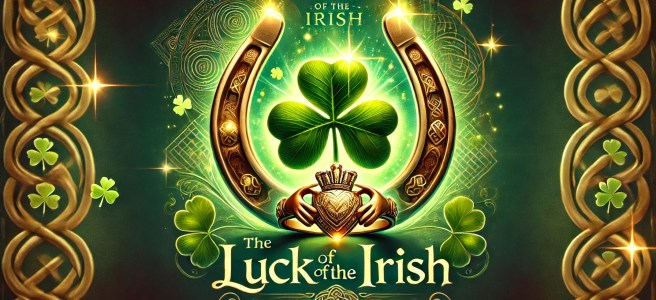
The Luck of the Irish: Fact or Fiction?

The phrase the luck of the Irish is commonly heard today, often to describe someone who seems to enjoy unusually good fortune. But where does this saying come from? Is there really something special about Irish luck, or is it just a myth rooted in folklore and history?

The Origins of “The Luck of the Irish”

Surprisingly, the term luck of the Irish didn’t start out as a positive expression. During the American gold and silver rush in the 19th century, many successful miners were Irish immigrants. Some believed their prosperity was due to sheer luck rather than hard work, coining the phrase in a somewhat dismissive tone. Over time, however, it evolved into a term that celebrates Irish resilience, charm, and fortune.

Irish Folklore and the Power of Luck

Ireland’s rich mythology has long linked luck with magical symbols and protective charms.

  • Four-Leaf Clovers: Finding one is said to bring immense good fortune because they are rare. Each leaf symbolizes faithhopelove, and luck.
  • The Shamrock: Revered by Saint Patrick, the shamrock was believed to ward off evil spirits and attract blessings.
  • Horseshoes: An iron horseshoe hung above a door is believed to protect the household and bring prosperity.
  • The Claddagh Ring: This iconic Irish symbol of love, loyalty, and friendship is thought to bring good luck in relationships.

Irish Symbols That Attract Luck

For those seeking a touch of Irish magic, consider wearing jewelry that embodies these traditional lucky symbols. At The Irish Jewelry Company, you can find a variety of lucky charmsshamrock necklaces, and Claddagh rings designed to bring you good fortune and celebrate your Irish heritage.

Famous Examples of “The Luck of the Irish

The Irish have long been associated with incredible stories of luck. Here are a few famous examples:

  • The Blarney Stone: Kissing the famous stone at Blarney Castle is believed to gift the kisser with the “gift of the gab” — eloquence and charm.
  • The Legend of the Leprechaun: These mischievous fairies are said to guard pots of gold at the end of the rainbow, rewarding those clever enough to catch them.

How to Bring Irish Luck into Your Life

If you’re hoping to channel the legendary “luck of the Irish,” consider these timeless traditions:

  1. Wear Irish Jewelry: Pieces like the Claddagh Ring or Shamrock Pendant are said to invite luck and blessings.
  2. Display a Horseshoe: Place it above your doorway to ward off bad luck.
  3. Embrace Positive Energy: Irish culture emphasizes kindness, gratitude, and generosity — attitudes that naturally attract good fortune.

Conclusion

Whether you believe in the power of Irish luck or simply admire its cultural charm, embracing these traditions can add a touch of magic to your life. From the iconic Claddagh Ring to the mystical four-leaf clover, there are countless ways to celebrate the enduring legend of Irish luck.

Browse The Irish Jewelry Company for authentic Irish jewelry pieces that embody the luck, charm, and beauty of Ireland.

The Shamrock: A Timeless Symbol of Ireland, Faith, and Fortune

The Meaning of the Shamrock: More Than Just a Clover

The shamrock, a three-leafed clover, is one of Ireland’s most treasured and recognized symbols, deeply woven into the country’s history, culture, and faith. Its name derives from the Irish word “seamróg” (pronounced sham-rog), meaning “little clover.”

Many mistakenly believe the shamrock is simply a lucky charm, but its true meaning runs much deeper. The three leaves of the shamrock hold great significance, each one representing faith, hope, and love. Some traditions also associate the leaves with the Holy Trinity—Father, Son, and Holy Spirit, a belief strongly linked to St. Patrick.

Origins and History: St. Patrick and the Shamrock

The shamrock’s connection to St. Patrick, Ireland’s patron saint, dates back to the 5th century when he used the three-leaved plant to explain the concept of the Holy Trinity while spreading Christianity in Ireland. This simple, natural illustration helped convert the Irish people to Christianity, solidifying the shamrock as a symbol of faith and divine protection.

While historians debate whether this legend is fact or folklore, the shamrock has undeniably become an emblem of Ireland and Irish pride, appearing on coins, flags, official emblems, and even Irish military uniforms throughout history.

The Shamrock as a Symbol of Ireland

The shamrock has long been used as a national symbol of Ireland, representing luck, prosperity, and resilience. It is worn proudly by the Irish, especially on St. Patrick’s Day (March 17th), as a symbol of national identity and spiritual heritage.

During the 18th century, the shamrock took on a more political meaning, becoming a symbol of Irish independence during British rule. Irish soldiers wore the shamrock as a badge of honor, and even today, the tradition of drowning the shamrock continues—a practice where the shamrock is placed in a glass of whiskey before being drunk in a toast to Ireland and St. Patrick.

Shamrock Sayings and Irish Blessings

The shamrock is also deeply embedded in Irish folklore and blessings, bringing good fortune, happiness, and protection to those who carry it. Some of the most famous Irish blessings and sayings about the shamrock include:

  • “A best friend is like a four-leaf clover—hard to find and lucky to have.”
  • “May your blessings outnumber the shamrocks that grow, and may trouble avoid you wherever you go.”
  • “For each petal on the shamrock, this brings a wish your way—good health, good luck, and happiness for today and every day.”
  • “The shamrock—God’s way of reminding us that He is always with us.”
  • “May luck be with you wherever you go, and your blessings outnumber the shamrocks that grow.”

These Irish sayings and blessings continue to connect people to their heritage, making the shamrock a powerful symbol of faith, fortune, and friendship.

The Shamrock and St. Patrick’s Day Traditions

On St. Patrick’s Day, people worldwide wear shamrocksdecorate with the green clover, and partake in Irish celebrations. The shamrock is worn on lapels, embroidered onto clothing, and even painted on faces as a tribute to Ireland’s patron saint.

One of the most famous St. Patrick’s Day traditions is the “wearing of the green”, which originated from wearing a shamrock on the holiday. It is also common to see the shamrock in Irish parades, pubs, and festivities as a symbol of unity and Irish pride.

The Luck of the Irish: The Shamrock vs. the Four-Leaf Clover

Although often confused, the shamrock and the four-leaf clover are not the same. While the shamrock has three leaves (symbolizing faith, hope, and love), the four-leaf clover is a rare variation believed to bring extra luck. Finding a four-leaf clover is said to grant good fortune, with each leaf representing faith, hope, love, and luck.

Embrace the Shamrock’s Magic with Irish Jewelry

If you want to carry the symbolism of the shamrock with you, a shamrock pendant, Claddagh ring, or Celtic charm bracelet is a beautiful way to do so. Discover timeless Irish shamrock jewelry at The Irish Jewelry Company, where every piece celebrates Ireland’s rich traditions.

Nollaig na mBan: Celebrating Women’s Christmas in Ireland on January 6th

Nollaig na mBan: The Day Irish Women Get the Break They Deserve

Picture this: Christmas is over, the tree is wilting, and the kids have already lost half the toys Santa brought them. Meanwhile, Irish women everywhere are still recovering from weeks of decking the halls, cooking for a small army, and refereeing family debates about who makes the best mince pies. Enter Nollaig na mBan, or Women’s Christmas — a day when Irish women finally get to drop the dishcloth, grab their gal pals, and celebrate themselves. It’s like a mix of Valentine’s Day and Christmas but with better stories and probably some cheeky pints of Guinness.

On January 6, while the men are at home valiantly trying (and often failing) to figure out how the vacuum works, women gather for tea, laughter, and the occasional debate over whose Claddagh ring shines brightest. It’s their day to revel in the spirit of friendship, love, and maybe a little sass about how long it took the lads to “volunteer” for the chores. Honestly, if this isn’t one of Ireland’s best-kept secrets, we don’t know what is.

What is Women’s Christmas (Nollaig na mBan)?

January 6th, known as the Feast of the Epiphany, marks the end of the Christmas season in many cultures. In Ireland, however, this day is also famously celebrated as Nollaig na mBan — or Women’s Christmas. Traditionally, this day is a well-deserved holiday for Irish women, recognizing their hard work throughout the festive season. While the men handle the chores, women gather to enjoy a relaxing and joyful day with friends and family.

Why Is It Called Women’s Christmas?

The name Nollaig na mBan directly translates to “Women’s Christmas.” This unique tradition arose in Irish households where women often carried the brunt of the holiday workload — cooking, cleaning, decorating, and ensuring the celebrations ran smoothly. January 6 was their chance to rest, unwind, and celebrate their own version of Christmas.

What Are the Irish Traditions for January 6?

On Nollaig na mBan, women across Ireland gather in homes, restaurants, or pubs to share meals, exchange gifts, and enjoy each other’s company. It’s a day of camaraderie, laughter, and reflection. Here are some ways Irish women celebrate this cherished tradition:

  1. Tea Parties and Gatherings: Women host or attend afternoon teas featuring traditional Irish treats like barmbrackscones, and mince pies.
  2. Dinner Celebrations: Groups of friends or family dine out, often choosing a cozy Irish pub or local restaurant.
  3. Gift-Giving: Thoughtful gifts, such as jewelry, are exchanged as tokens of appreciation and love.
  4. Relaxation: The men take over the household duties, allowing the women to truly relax.

Celebrate Women’s Christmas with Thoughtful Irish Gifts

Looking for the perfect gift to honor the women in your life on Nollaig na mBan? Explore our collection of Irish jewelry that embodies the spirit of the day:

Why Nollaig na mBan Matters Today

While rooted in tradition, Nollaig na mBan remains highly relevant today. It serves as a reminder to acknowledge the contributions of women in families and communities. It’s also an opportunity for women to prioritize self-care, foster friendships, and celebrate their achievements.

How to Celebrate Nollaig na mBan

Whether you’re Irish or simply inspired by the tradition, here’s how you can honor Women’s Christmas:

  1. Host a Gathering: Invite your closest friends for an afternoon of tea, storytelling, and laughter.
  2. Gift Something Special: Show appreciation with a thoughtful gift, like a piece of Irish jewelry that resonates with their personality.
  3. Support Local Businesses: Shop from Irish artisans or jewelry makers to make your celebration even more meaningful.
  4. Take a Break: Whether it’s a spa day, a good book, or a quiet walk, give yourself permission to unwind.

By weaving together the traditions, history, and meaning of Nollaig na mBan with our curated jewelry collection, this article creates an engaging and SEO-optimized story designed to inform, inspire, and drive sales. Happy Women’s Christmas!

Irish New Year’s Traditions and Superstitions: Ringing in the New Year with Irish Charm

As the New Year approaches, the Irish embrace a wealth of traditions and superstitions that blend history, culture, and a touch of mysticism. Whether you’re looking for ways to welcome good fortune or ward off bad luck, these time-honored customs are sure to inspire. Plus, they make the perfect inspiration for Irish-themed gifts to start the year off right!


Top Irish New Year’s Traditions and Superstitions

1. First-Footing for Good Luck

A “first-footer” is the first person to enter your home after midnight. Traditionally, this person should be a dark-haired man to bring good fortune. Many Irish families place significance on their first visitor and often greet them with Irish hospitality.
Celebrate the tradition with a meaningful gift like the Celtic Star Pendant, symbolizing guidance and luck for the year ahead.


2. Opening the Door to Welcome the New Year

At the stroke of midnight, many Irish households open their front door to let the old year out and welcome the new one in. This act symbolizes fresh starts and new opportunities.
Start the year with the Trinity Knot Pendant, representing unity and eternity.


3. Sweeping Out the Bad Luck

In rural Ireland, it’s customary to sweep the threshold of the house to clear out bad luck and make way for good tidings.
Gift the Irish Proverb Affirmation Bracelet as a reminder to stay positive and embrace new beginnings.


4. Lighting a Candle in the Window

This beautiful tradition, often tied to Irish Christmas, extends into New Year’s. Placing a candle in the window invites blessings and ensures a safe journey for loved ones.
Honor this custom with the Celtic Cross Pendant, a timeless symbol of faith and protection.


5. Eating Twelve Grapes for Prosperity

Borrowed from Spanish influence but celebrated in parts of Ireland, eating twelve grapes at midnight is said to bring prosperity—one grape for each month of the year.
Celebrate prosperity with the Irish Claddagh Ring, symbolizing love, loyalty, and friendship.


6. Banging Pots and Pans to Ward Off Spirits

This lively tradition involves making noise to scare away evil spirits and ensure a peaceful New Year.
Protect your loved ones with the Evil Eye Pendant, which is believed to ward off negativity.


7. Placing a Coin on the Doorstep

A silver coin placed on the doorstep at New Year symbolizes wealth and abundance for the coming year.
Embrace this tradition with the Sterling Silver Jewelry, a chic nod to prosperity.


8. Wearing New Clothes for a Fresh Start

Wearing something new at New Year’s is thought to bring fresh opportunities and success.
Complete your look with a dazzling Claddagh Pendant, a classic accessory with deep Irish roots.


9. Toast with Traditional Irish Drinks

No Irish New Year is complete without raising a glass of Guinness or Baileys to toast the occasion. Some even pour a little on the doorstep as an offering for good luck.
Pair your celebration with the Irish Shamrock Earrings, a reminder of Irish heritage.


10. Making Resolutions with Irish Wisdom

The Irish love a good proverb, and what better way to set goals than with wise words?
Wear your intentions with the Irish Proverb Bracelet, a daily reminder to stay inspired.


Shop Irish Jewelry to Start the Year in Style

Celebrate Irish traditions this New Year with meaningful jewelry that embodies luck, love, and legacy. Whether it’s a pendant symbolizing faith or a bracelet reflecting wisdom, The Irish Jewelry Company offers stunning pieces to ring in the New Year with charm.

Irish Christmas Blessings: Celebrating the Spirit of the Season

An Irish Christmas is a time of warmth, love, and cherished traditions. Central to this celebration are heartfelt Irish Christmas blessings, and expressions of hope, joy, and gratitude that have been passed down through generations. Whether shared at the family table, written in holiday cards, or spoken during quiet moments, these blessings add a magical touch to the festive season.

The Significance of Irish Christmas Blessings

Irish blessings carry deep cultural and spiritual meanings, often invoking peace, good health, and prosperity. Rooted in faith and family values, they reflect the essence of Ireland’s holiday traditions. Sharing these blessings with loved ones connects us to Irish heritage and spreads the true spirit of Christmas.

10 Heartwarming Irish Christmas Blessings

Here are some traditional Irish blessings perfect for this holiday season:

  1. “May your Christmas be bright with happiness and your New Year filled with joy.”
  2. “May peace and plenty bless your home this Christmas season.”
  3. “May the road rise up to meet you and the blessings of Christmas be with you.”
  4. “Wishing you a Christmas as warm as an Irish hearth.”
  5. “May love and laughter light your Christmas and fill your home.”
  6. “May the blessings of Christmas bring you peace and joy all year long.”
  7. “May your heart be full and your troubles be few this holiday season.”
  8. “May the warmth of family and the light of Christmas surround you.”
  9. “May God grant you the blessings of Christmas, now and always.”
  10. “May the spirit of Christmas live in your heart all year.”

Bring Irish Blessings into Your Home

Incorporate the beauty of Irish Christmas blessings into your celebrations with unique gifts and décor. For example:

  • Celtic Star Pendant: Representing hope and guidance, perfect for gifting or wearing during the holidays.
  • Saint Brigid Ornament: A keepsake to share a timeless blessing with loved ones.
  • Irish Tree of Life: Bring the symbolism of Irish roots.

These thoughtful items are not only meaningful but also a way to honor Irish Christmas traditions.

Sharing Blessings with Loved Ones

Irish blessings make a wonderful addition to holiday cards, gift tags, or family gatherings. Combine your blessing with a unique gift, such as the Irish Proverb Affirmation Bracelets or a Filigree Celtic Knot Pendant to make your gesture even more special.

Why Choose Irish-Inspired Gifts?

At The Irish Jewelry Company, our collection is crafted with care, and inspired by Irish heritage. Each piece tells a story and carries the charm of Irish traditions. Share the spirit of Christmas with gifts that embody love, faith, and family.

Irish Blessings for Thanksgiving: Bringing Irish Tradition to Your Holiday Table

Thanksgiving is a time for gratitude, family, and cherished traditions. While it’s an American holiday at its core, incorporating the warmth of Irish blessings into your Thanksgiving celebration adds a unique touch of love and heritage. Irish blessings, steeped in poetic charm and spiritual depth, are perfect for expressing gratitude and fostering a sense of togetherness.

At The Irish Jewelry Company, we celebrate these meaningful traditions with jewelry inspired by Ireland’s rich cultural heritage. Let us guide you through a few Irish blessings for Thanksgiving, along with jewelry pieces that capture the spirit of gratitude and family.

Heartwarming Irish Blessings for Thanksgiving

  1. “May your troubles be less, your blessings be more, and nothing but happiness come through your door.”
    This classic Irish blessing is perfect for welcoming guests and setting a joyful tone for your Thanksgiving meal. Display it as part of your table decor or use it as a toast to kick off the celebration.
  2. “May the roof above us never fall in, and those gathered beneath it never fall out.”
    An ideal sentiment for Thanksgiving, this blessing highlights the importance of unity and harmony among loved ones.
  3. “May your heart be light and happy, may your smile be big and wide, and may your pockets always have a coin or two inside.”
    A cheerful way to express gratitude and hope for abundance in the year ahead.
  4. “May love and laughter light your days, and warm your heart and home.”
    A perfect Thanksgiving blessing to share around the table, embodying the warmth of Irish hospitality.
  5. “May the blessings of each day be the blessings you need the most.”
    This meaningful blessing reminds us to appreciate the small joys that life offers.

Adding Irish Traditions to Your Thanksgiving Table

  • Place Cards with Irish Blessings: Write your favorite Irish blessings on place cards for a thoughtful and personal touch.
  • Irish Soda Bread: Incorporate a traditional Irish recipe like soda bread into your Thanksgiving feast.
  • A Candle in the Window: This classic Irish tradition symbolizes hospitality and welcomes both loved ones and blessings into your home.

Irish Jewelry to Celebrate Thanksgiving Blessings

Incorporate the spirit of these blessings into your celebration with timeless jewelry from The Irish Jewelry Company. Our Irish-themed pieces make wonderful additions to your holiday traditions or heartfelt gifts for loved ones.

  • Celtic Star Pendant: A symbol of hope and guidance, this pendant reminds us to be thankful for the light that leads us through life.
  • Trinity Knot Necklace: Representing eternity and interconnectedness, this piece is perfect for expressing gratitude for family bonds.
  • Irish Blessing Bracelet: Carry your favorite Irish blessing with you as a daily reminder of thankfulness and love.
  • Claddagh Ring: Symbolizing love, loyalty, and friendship, the Claddagh is a meaningful token for the holiday season.

Celebrate Thanksgiving the Irish Way

This Thanksgiving, let the charm of Irish blessings add warmth and meaning to your holiday. Shop The Irish Jewelry Company to discover jewelry that embodies the spirit of gratitude, love, and family.

Explore our collection today and find the perfect pieces to complement your Thanksgiving celebration.