The Tree of Life Meaning, Symbolism, and Influence

Tree of Life Meaning, Symbolism, and Influence

The Tree of Life is one of the most enduring symbols across human history, appearing in art, religion, mythology, and even jewelry design for thousands of years. Whether carved into ancient stone, painted onto sacred manuscripts, or delicately crafted into fine gold pendants, the Tree of Life has always represented connection, growth, and the eternal cycles of existence.

Its beauty lies not only in its striking visual form, a strong trunk, deep-reaching roots, and wide-branching canopy, but also in the layers of meaning it holds for different cultures. Today, the Tree of Life continues to inspire spirituality, creativity, and personal expression, often worn as a symbol of unity and resilience.

If you’re drawn to this timeless motif, you’ll find an exquisite selection of designs in The Irish Jewelry Company’s Tree of Life Jewelry Collection. Each piece celebrates the artistry and deep meaning behind the Tree of Life while allowing you to carry this powerful symbol with you every day.


All About the Tree of Life

The Tree of Life has been revered for millennia, appearing in cultures from ancient Egypt to Celtic Ireland. At its core, it represents the connection between heaven and earth, life and afterlife, the seen and unseen.

  • Roots: Symbolize our origins—family, culture, and ancestry.
  • Trunk: Represents strength, stability, and the journey of life.
  • Branches: Signify growth, expansion, and reaching toward the divine.
  • Leaves and Fruit: Reflect renewal, abundance, and the rewards of life’s journey.

For many, the Tree of Life is also a reminder of personal growth, how, like a tree, we develop over time, gaining wisdom through seasons of change. This is why it’s not only a spiritual symbol but also a popular gift for milestones like graduations, weddings, and anniversaries.

For a deeper dive into its origins and significance, see Discovering the Magic of the Tree of Life in Nature and Spirituality.


Tree of Life Symbolism by Culture

Across continents and centuries, the Tree of Life has carried meanings unique to each culture, while still sharing a universal sense of unity and renewal.

Kabbalah Tree of Life

In Jewish mysticism, the Kabbalah Tree of Life is a symbolic diagram representing the path to spiritual enlightenment. Comprising ten interconnected nodes called sefirot, it outlines how divine energy flows into the world and into human souls. Here, the Tree of Life serves as both a map of the universe and a guide for spiritual growth.

Celtic Tree of Life

The Celtic Tree of Life (Crann Bethadh) holds a special place in Irish heritage. Celts viewed trees as ancestors and gatekeepers to other worlds. The circular form branches reaching upward and roots extending downward symbolize the link between heaven and earth, day and night, life and death. This design is deeply ingrained in Irish art, from ancient stone carvings to modern Celtic jewelry, making it one of the most recognized interpretations of the Tree of Life.

Many modern Irish designs feature intricate knotwork woven into the branches, highlighting eternal life and interconnectedness motifs beautifully captured in The Irish Jewelry Company’s Tree of Life Jewelry Collection.

Chakra Tree of Life

In energy healing traditions, the Chakra Tree of Life aligns the tree’s form with the seven main chakras of the body. Each branch or section of the tree corresponds to an energy center, promoting balance, health, and spiritual alignment. Jewelry featuring gemstone “fruits” for each chakra is particularly popular for those seeking harmony in mind, body, and spirit.

Nordic Tree of Life

The Nordic Tree of Life, known as Yggdrasil, was central to Norse mythology. This immense ash tree connected the nine realms of existence, from the world of gods to the realm of the dead. Yggdrasil’s roots and branches were said to stretch across the cosmos, embodying both the fragility and resilience of life.

Chinese Mythology

In Chinese tradition, the Tree of Life often bears peaches of immortality, symbolizing long life and divine favor. It appears in Taoist art as a bridge between the earthly realm and the heavens, reinforcing the belief that harmony with nature leads to spiritual fulfillment.

Hindu Tree of Life

In Hinduism, the Tree of Life is seen as the Kalpavriksha, a wish-fulfilling divine tree that grants blessings. It represents the endless cycle of creation, preservation, and destruction, mirroring the cycles of life and reincarnation.


Tree of Life Spiritual Meaning

Spiritually, the Tree of Life serves as a metaphor for personal growth and the human journey. Its deep roots ground us in our heritage, while its ever-reaching branches remind us to aspire toward wisdom, compassion, and self-realization.

In many belief systems, the Tree of Life also represents:

  • Unity: A reminder that all forms of life are interconnected.
  • Eternity: Through the cyclical nature of seasons, death gives way to rebirth.
  • Balance: Harmony between the physical and spiritual worlds.

People often wear Tree of Life jewelry not only for its beauty but also as a personal talisman of strength, protection, and renewal.


Tree of Life Inspiration for Art

Throughout history, artists have been captivated by the Tree of Life. Gustav Klimt famously depicted it in his iconic painting The Tree of Life, combining symbolism with the elegance of Art Nouveau. Modern designers, too, are inspired by its symmetry and universal message, bringing it into mediums as diverse as sculpture, embroidery, and fine jewelry.

Tree of Life Jewelry

Tree of Life jewelry has become one of the most beloved ways to keep this symbol close. From delicate silver pendants to bold gold statement pieces, each design carries the same universal meaning while allowing for personal interpretation. Wearing such a piece can serve as a daily reminder of growth, resilience, and connection.

The Tree of Life Jewelry Collection offers designs that combine traditional Celtic artistry with modern elegance, perfect for marking life’s milestones or simply celebrating your own journey.


Decorating with Tree of Life Symbolism

The Tree of Life also holds a special place in home décor. Wall hangings, tapestries, and metal art featuring this design can bring a sense of harmony and grounding to a space. Its symmetrical form is pleasing to the eye, while its meaning enriches the environment with symbolism of unity, growth, and protection.


The Tree of Life Symbol

Tree of Life Design

The design of the Tree of Life typically features a central trunk with branches and roots arranged within a circle, emphasizing wholeness and the cycle of life. Variations may include intricate knotwork, gemstone accents, or stylized leaves, making each interpretation unique.

History of the Tree of Life

Evidence of the Tree of Life motif dates back thousands of years from Mesopotamian carvings to Egyptian papyri, from Viking runestones to medieval Celtic manuscripts. Its persistence across cultures demonstrates how deeply this symbol resonates with humanity’s search for meaning.

Meaning of the Tree of Life

There are multiple interpretations of the Tree of Life symbol, but its most popular associations include connection and unity. The evolution and depth of this design are multi-layered:

  • Connection: Roots reach deep into the earth while branches stretch toward the sky, linking the two realms.
  • Strength: Trees stand firm through storms, symbolizing stability.
  • Growth: Like a tree, humans grow continuously in knowledge and experience.
  • Rebirth: Seasonal cycles mirror life’s changes and renewal.
  • Family: The branching form reflects family lineage and ancestry.
  • Tranquillity: Trees offer shelter and peace, much like nature itself.

People Also Ask:

What does the Bible say about a Tree of Life?
In the Bible, the Tree of Life appears in the Book of Genesis as a source of eternal life in the Garden of Eden. It reappears in Revelation, symbolizing God’s gift of everlasting life to the faithful.

Is it good to wear a Tree of Life?
Yes, many believe wearing a Tree of Life offers protection, promotes positive energy, and serves as a personal reminder of resilience and connection.

What is the moral of the Tree of Life?
The moral is that life is interconnected and ever-changing. Just like a tree, we must stay rooted while continuing to grow.

What is the spiritual meaning of the Tree?
Spiritually, the Tree of Life embodies harmony, eternal life, and the link between the physical and spiritual realms.


About The Irish Jewelry Company

At The Irish Jewelry Company, we honor the timeless Tree of Life by crafting jewelry that blends traditional meaning with modern design. Each piece is a work of art, celebrating connection, strength, and the beauty of life’s journey.
The Irish Jewelry Company: The Original Online Claddagh Store with the Largest Selection of Claddagh Rings Now Offers More Ways to Pay

FOR IMMEDIATE RELEASE

New York – August 9, 2025

The Irish Jewelry Company: The Original Online Claddagh Store with the Largest Selection of Claddagh Rings Now Offers More Ways to Pay

New York, NY – For over two decades, The Irish Jewelry Company has been recognized as the original online Claddagh store and the best place to buy a Claddagh ring online. With the largest selection of Claddagh rings anywhere on the internet, the company continues to set the gold standard for authenticity, quality, and customer service. Now, shopping for an authentic Claddagh ring is even easier, thanks to expanded payment options including Google Pay, Venmo, Amazon Pay, PayPal, and all major credit cards.

Whether customers are searching for the best place to buy a Claddagh ring from Ireland, a gold Claddagh ring, or want to buy a Claddagh ring near meThe Irish Jewelry Company delivers unmatched variety and quality, shipped worldwide from the USA, with many styles made in Ireland and hallmarked by The Irish Assay Office in Dublin Castle.


Why Buy a Claddagh Ring from The Irish Jewelry Company?

  • Authenticity Guaranteed – Many rings are made in Ireland and bear the hallmark stamp of The Irish Assay Office in Dublin Castle, ensuring genuine Irish craftsmanship.
  • Largest Selection Online – From gold Claddagh rings and silver Claddagh rings to men’s Claddagh styles, gemstone-accented rings, and modern designs.
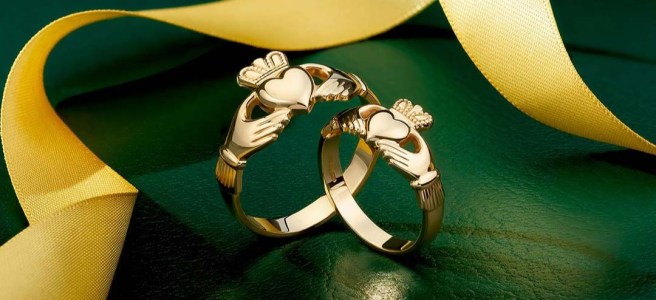
  • Symbolism and Meaning – Every Claddagh ring represents love (heart), loyalty (crown), and friendship (hands). Whether you’re buying for yourself or a loved one, each ring tells a story.
  • Guidance on How to Wear a Claddagh Ring – Detailed resources explain the traditional way to wear your ring depending on your relationship status.
  • More Ways to Pay – Shop confidently with Google Pay, Venmo, Amazon Pay, PayPal, and all major credit cards.
  • Worldwide Shipping – Whether you want to buy a Claddagh ring from Galway, Dublin, or anywhere in Ireland, The Irish Jewelry Company makes it possible to get it delivered to your door.

Things to Consider When Buying a Claddagh Ring

  1. Authenticity: Look for the hallmark stamp if you want a ring made in Ireland.
  2. Material: Choose from sterling silver, 10K, 14K, or 18K gold, with or without gemstones or birthstones.
  3. Design: Select a traditional style or a modern interpretation that reflects your personality.
  4. Symbolism: Decide what message you want your Claddagh ring to convey.
  5. Price: Consider material, craftsmanship, and design when setting your budget.

About the Claddagh Ring

The Claddagh ring is one of the most iconic symbols of Ireland. Originating in the 17th century in the fishing village of Claddagh, Galway, its design represents deep-rooted Irish traditions. The way the ring is worn carries meaning. Worn on the right hand with the heart facing out shows you are single, while worn with the heart facing in shows you are taken. On the left hand, heart inward, it symbolizes marriage.


“For anyone wondering where to buy a Claddagh ring online or where to buy a Claddagh ring in Ireland, our store is the trusted choice for thousands of customers worldwide,” said a spokesperson for The Irish Jewelry Company. “We’re proud to make the tradition of the Claddagh accessible to everyone, no matter where they are.”


About The Irish Jewelry Company

Founded in New York, The Irish Jewelry Company is the leading online destination for authentic Irish jewelry, specializing in Claddagh rings, Celtic wedding bands, and meaningful Irish gifts. Known as the original online Claddagh store, it offers the largest selection of Claddagh rings in gold and silver, with worldwide shipping and superior customer service backed by an impeccable on-time shipping record.

Website: https://www.theirishjewelrycompany.com
Press Contact:
The Irish Jewelry Company
Email: info@theirishjewelrycompany.com

The Celtic Mothers Knot: A Timeless Symbol of Irish Love and Motherhood

In Irish culture, family isn’t just important, it’s everything. It’s at the center of every story, every celebration, and every tradition passed from one generation to the next. Among all family bonds, none is stronger than the one between a mother and her child. That eternal connection is what inspired the creation of the Celtic Mothers Knot a modern symbol rooted in ancient Celtic design, handcrafted to honor the love, protection, and strength of motherhood.

What Is the Celtic Mothers Knot?

The Celtic Mothers Knot is a heartfelt modern design inspired by traditional Celtic knotwork, representing the unbreakable love between a mother and her child. Crafted from one continuous line, the knot forms a stylized heart or triquetra-like shape with no beginning and no end to symbolize the never-ending, unconditional love a mother gives.

This elegant and meaningful symbol has become one of the most beloved emblems in contemporary Irish jewelry. It resonates across generations and cultures as a reminder of the eternal bond and strength that defines motherhood.

Designed by Jennifer Derrig: A Mother’s Love Turned Into Art

The Celtic Mothers Knot from The Irish Jewelry Company holds even more meaning because of who created it. Jewelry designer and company founder Jennifer Derrig designed this symbol based on her own journey as a mother. Inspired by the deep connection she felt with her child, Jennifer sought to create a piece that would express the powerful, eternal love only a mother can understand.

With her design background and deep passion for Irish heritage, Jennifer crafted the Celtic Mothers Knot as a tribute not only to her own experience but to mothers everywhere. The piece speaks without words, a quiet, powerful reminder that love like this is forever. It’s more than jewelry. It’s a piece of her story, and one that beautifully mirrors the stories of mothers across the world.

Rooted in Celtic Tradition

While the Celtic Mothers Knot is a modern creation, it draws on centuries of Irish design heritage. Traditional Celtic knots, featured in ancient stone carvings and illuminated manuscripts like the Book of Kells, are known for their interwoven, infinite patterns. These designs have long symbolized unity, eternity, and the interconnectedness of life and spirit.

The Celtic Mothers Knot pays homage to those same values. Its flowing lines reflect the continuity of life, the strength of maternal love, and the sacred role of motherhood in Celtic culture. It’s a timeless design that bridges the old and the new, blending ancient art with modern meaning.

The Celtic Mothers Knot Jewelry Collection

Celebrate the unbreakable bond between mother and child with our beautifully crafted Celtic Mothers Knot Jewelry Collection. Each piece features the original Celtic Mothers Knot design created by Jennifer Derrig, symbolizing unconditional love, enduring protection, and the powerful cycle of motherhood.

This meaningful design, rooted in Celtic tradition, makes our jewelry the perfect gift for birthdays, Mother’s Day, baby showers, or any moment when you want to honor the heart of your family. Handcrafted in sterling silver and accented with detailed knotwork, our Celtic Mothers Knot pendants, rings, and earrings reflect strength, beauty, and timeless Irish heritage.

Whether you’re a proud Irish mother or someone who feels a deep connection to Celtic symbolism, this collection offers a wearable tribute to love that lasts a lifetime.

Why It’s the Perfect Gift

This collection has become a favorite among our customers for a reason. It’s more than just jewelry; it’s a personal expression of love and appreciation. Whether it’s for your mother, grandmother, daughter, or even yourself, the Celtic Mothers Knot is a meaningful way to say, “You are loved, always.”

Customers often choose these pieces for:

  • Mother’s Day
  • The birth of a child
  • Milestone birthdays
  • Memorial tributes
  • Every day, reminders of family love

Each item arrives beautifully packaged and gift-ready, with the craftsmanship and attention to detail The Irish Jewelry Company is known for.

What Our Customers Are Saying

“I gave this to my mother for her 60th birthday. She said it was the most meaningful gift she’s ever received.”

“I bought the Celtic Mothers Knot necklace for myself after losing my mom. It brings me comfort every time I wear it.”

“My daughter (husband) gave this to me on my first Mother’s Day. I cried. It’s stunning  and says everything I feel but can’t put into words.”

FAQs About the Celtic Mothers Knot

  • What does the Celtic Mothers Knot symbolize?
    It represents the eternal love, strength, and protection of a mother’s love, using one continuous Celtic-style line to express the idea of love without beginning or end.
  • Is this an authentic historical Celtic symbol?
    The Celtic Mothers Knot is a modern design, but it is heavily inspired by traditional Celtic knotwork and reflects the ancient values of motherhood, unity, and eternity found in Irish culture.
  • Who designed the Celtic Mothers Knot at The Irish Jewelry Company?
    The original design was created by jewelry artist Jennifer Derrig, inspired by her own journey through motherhood and her love for Irish symbolism and design.
  • What materials are used?
    The collection is handcrafted in fine sterling silver with some styles offered in gold plated as well as 10k and 14k gold. All items are made with high-quality craftsmanship and are ready for gifting.
  • Is it suitable as a memorial piece?
    Absolutely. Many customers choose the Celtic Mothers Knot as a loving tribute to a mother who has passed, or as a way to remember the powerful maternal bond they carry in their hearts.

A Celebration of Love, Heritage, and Strength

The Celtic Mothers Knot beautifully captures what words often cannot: the deep, eternal love between a mother and her child. Designed by a mother, inspired by her own story, and handcrafted with care, this symbol stands as a tribute to all mothers past, present, and future.

If you’re searching for a meaningful gift that reflects Irish heritage, feminine strength, and the sacredness of family, look no further. The Celtic Mothers Knot is more than a design. It’s a story. It’s a bond. It’s a legacy.

Explore the full Celtic Mothers Knot Collection and discover the piece that speaks to your heart.

The Luck of the Irish: Fact or Fiction?

The phrase the luck of the Irish is commonly heard today, often to describe someone who seems to enjoy unusually good fortune. But where does this saying come from? Is there really something special about Irish luck, or is it just a myth rooted in folklore and history?

The Origins of “The Luck of the Irish”

Surprisingly, the term luck of the Irish didn’t start out as a positive expression. During the American gold and silver rush in the 19th century, many successful miners were Irish immigrants. Some believed their prosperity was due to sheer luck rather than hard work, coining the phrase in a somewhat dismissive tone. Over time, however, it evolved into a term that celebrates Irish resilience, charm, and fortune.

Irish Folklore and the Power of Luck

Ireland’s rich mythology has long linked luck with magical symbols and protective charms.

  • Four-Leaf Clovers: Finding one is said to bring immense good fortune because they are rare. Each leaf symbolizes faithhopelove, and luck.
  • The Shamrock: Revered by Saint Patrick, the shamrock was believed to ward off evil spirits and attract blessings.
  • Horseshoes: An iron horseshoe hung above a door is believed to protect the household and bring prosperity.
  • The Claddagh Ring: This iconic Irish symbol of love, loyalty, and friendship is thought to bring good luck in relationships.

Irish Symbols That Attract Luck

For those seeking a touch of Irish magic, consider wearing jewelry that embodies these traditional lucky symbols. At The Irish Jewelry Company, you can find a variety of lucky charmsshamrock necklaces, and Claddagh rings designed to bring you good fortune and celebrate your Irish heritage.

Famous Examples of “The Luck of the Irish

The Irish have long been associated with incredible stories of luck. Here are a few famous examples:

  • The Blarney Stone: Kissing the famous stone at Blarney Castle is believed to gift the kisser with the “gift of the gab” — eloquence and charm.
  • The Legend of the Leprechaun: These mischievous fairies are said to guard pots of gold at the end of the rainbow, rewarding those clever enough to catch them.

How to Bring Irish Luck into Your Life

If you’re hoping to channel the legendary “luck of the Irish,” consider these timeless traditions:

  1. Wear Irish Jewelry: Pieces like the Claddagh Ring or Shamrock Pendant are said to invite luck and blessings.
  2. Display a Horseshoe: Place it above your doorway to ward off bad luck.
  3. Embrace Positive Energy: Irish culture emphasizes kindness, gratitude, and generosity — attitudes that naturally attract good fortune.

Conclusion

Whether you believe in the power of Irish luck or simply admire its cultural charm, embracing these traditions can add a touch of magic to your life. From the iconic Claddagh Ring to the mystical four-leaf clover, there are countless ways to celebrate the enduring legend of Irish luck.

Browse The Irish Jewelry Company for authentic Irish jewelry pieces that embody the luck, charm, and beauty of Ireland.

The Shamrock: A Timeless Symbol of Ireland, Faith, and Fortune

The Meaning of the Shamrock: More Than Just a Clover

The shamrock, a three-leafed clover, is one of Ireland’s most treasured and recognized symbols, deeply woven into the country’s history, culture, and faith. Its name derives from the Irish word “seamróg” (pronounced sham-rog), meaning “little clover.”

Many mistakenly believe the shamrock is simply a lucky charm, but its true meaning runs much deeper. The three leaves of the shamrock hold great significance, each one representing faith, hope, and love. Some traditions also associate the leaves with the Holy Trinity—Father, Son, and Holy Spirit, a belief strongly linked to St. Patrick.

Origins and History: St. Patrick and the Shamrock

The shamrock’s connection to St. Patrick, Ireland’s patron saint, dates back to the 5th century when he used the three-leaved plant to explain the concept of the Holy Trinity while spreading Christianity in Ireland. This simple, natural illustration helped convert the Irish people to Christianity, solidifying the shamrock as a symbol of faith and divine protection.

While historians debate whether this legend is fact or folklore, the shamrock has undeniably become an emblem of Ireland and Irish pride, appearing on coins, flags, official emblems, and even Irish military uniforms throughout history.

The Shamrock as a Symbol of Ireland

The shamrock has long been used as a national symbol of Ireland, representing luck, prosperity, and resilience. It is worn proudly by the Irish, especially on St. Patrick’s Day (March 17th), as a symbol of national identity and spiritual heritage.

During the 18th century, the shamrock took on a more political meaning, becoming a symbol of Irish independence during British rule. Irish soldiers wore the shamrock as a badge of honor, and even today, the tradition of drowning the shamrock continues—a practice where the shamrock is placed in a glass of whiskey before being drunk in a toast to Ireland and St. Patrick.

Shamrock Sayings and Irish Blessings

The shamrock is also deeply embedded in Irish folklore and blessings, bringing good fortune, happiness, and protection to those who carry it. Some of the most famous Irish blessings and sayings about the shamrock include:

  • “A best friend is like a four-leaf clover—hard to find and lucky to have.”
  • “May your blessings outnumber the shamrocks that grow, and may trouble avoid you wherever you go.”
  • “For each petal on the shamrock, this brings a wish your way—good health, good luck, and happiness for today and every day.”
  • “The shamrock—God’s way of reminding us that He is always with us.”
  • “May luck be with you wherever you go, and your blessings outnumber the shamrocks that grow.”

These Irish sayings and blessings continue to connect people to their heritage, making the shamrock a powerful symbol of faith, fortune, and friendship.

The Shamrock and St. Patrick’s Day Traditions

On St. Patrick’s Day, people worldwide wear shamrocksdecorate with the green clover, and partake in Irish celebrations. The shamrock is worn on lapels, embroidered onto clothing, and even painted on faces as a tribute to Ireland’s patron saint.

One of the most famous St. Patrick’s Day traditions is the “wearing of the green”, which originated from wearing a shamrock on the holiday. It is also common to see the shamrock in Irish parades, pubs, and festivities as a symbol of unity and Irish pride.

The Luck of the Irish: The Shamrock vs. the Four-Leaf Clover

Although often confused, the shamrock and the four-leaf clover are not the same. While the shamrock has three leaves (symbolizing faith, hope, and love), the four-leaf clover is a rare variation believed to bring extra luck. Finding a four-leaf clover is said to grant good fortune, with each leaf representing faith, hope, love, and luck.

Embrace the Shamrock’s Magic with Irish Jewelry

If you want to carry the symbolism of the shamrock with you, a shamrock pendant, Claddagh ring, or Celtic charm bracelet is a beautiful way to do so. Discover timeless Irish shamrock jewelry at The Irish Jewelry Company, where every piece celebrates Ireland’s rich traditions.

FAQs About Claddagh Rings: Meaning, History, and How to Wear Them

Frequently Asked Questions About Claddagh Rings

What Is a Claddagh Ring?

A Claddagh ring is a traditional Irish ring that symbolizes love, loyalty, and friendship. The design features a heart representing love, hands symbolizing friendship, and a crown signifying loyalty. Claddagh rings have been worn for centuries and remain an iconic piece of Irish heritage.

Shop Our Collection:
Claddagh Rings Collection


How Do You Wear a Claddagh Ring?

The way you wear a Claddagh ring determines its meaning:

  • If you are single, wear it on your right hand with the heart facing outward.
  • If you are in a relationship, wear it on your right hand with the heart facing inward.
  • If you are engaged, wear it on your left hand with the heart facing outward.
  • If you are married, wear it on your left hand with the heart facing inward.

Shop Women’s Claddagh Rings:
Women’s Claddagh Rings

Shop Men’s Claddagh Rings:
Men’s Claddagh Rings


Can Anyone Wear a Claddagh Ring?

Yes, anyone can wear a Claddagh ring. While it has deep Irish roots, the symbolism of love, friendship, and loyalty is universal. Claddagh rings make meaningful gifts for people of all backgrounds, whether for romantic partners, friends, or family members.

Browse Authentic Claddagh Rings:
Authentic Claddagh Rings


What Is the Meaning Behind a Claddagh Ring?

A Claddagh ring represents three core values:

  • Love (heart)
  • Loyalty (crown)
  • Friendship (hands)

This timeless symbol has been passed down for generations and is often given as a token of commitment, whether in friendship, engagement, or marriage.

Explore Our Claddagh Engagement Rings:
Claddagh Engagement Rings


Where Do Claddagh Rings Come From?

Claddagh rings originate from the Claddagh region in Galway, Ireland. They date back to the 17th century and were traditionally used as wedding rings. Today, they are worn worldwide as a symbol of Irish heritage and meaningful connections.

Shop Irish Claddagh Jewelry:
Claddagh Jewelry Collection


Are Claddagh Rings Good for Engagement and Weddings?

Yes, Claddagh rings are commonly used as engagement rings and wedding bands. The design’s meaning of love, loyalty, and friendship makes it an excellent choice for couples.

Shop Claddagh Wedding Rings:
Claddagh Wedding Rings


What Are the Different Styles of Claddagh Rings?

Claddagh rings come in a variety of styles, including:

  • Traditional Claddagh Rings – Classic design in gold or silver
  • Birthstone Claddagh Rings – Featuring gemstones for each birth month
  • Claddagh Engagement Rings – Enhanced with diamonds or precious stones
  • Claddagh Wedding Rings – Elegant bands for couples

Browse All Styles:
Claddagh Rings Collection


How Do I Choose the Right Claddagh Ring Size?

To find the right Claddagh ring size, measure an existing ring or use a ring sizing guide. Our Claddagh rings are available in various sizes to ensure a perfect fit.

Find Your Perfect Fit:
Ring Sizing Guide


What Are Claddagh Rings Made Of?

Claddagh rings are typically made from:

  • Sterling Silver – Affordable and durable
  • Gold (10K, 14K, 18K) – Timeless and valuable
  • Platinum – High-end and long-lasting
  • Gemstone Variations – Birthstones, diamonds, or cubic zirconia

Shop Gold Claddagh Rings:
Gold Claddagh Rings

Shop Silver Claddagh Rings:
Silver Claddagh Rings


Are Claddagh Rings a Good Gift?

Claddagh rings make meaningful gifts for birthdays, anniversaries, engagements, and holidays. They are also popular as graduation gifts or friendship tokens.

Find the Perfect Gift:
Claddagh Rings for Gifts

Celtic Symbols & Their Meanings: Ancient Wisdom in Irish Jewelry

For centuries, Celtic symbols have carried deep meanings, representing faith, love, eternity, and protection. From the legendary Claddagh Ring to the timeless Celtic Cross, these mystical emblems continue to inspire and connect us to Ireland’s heritage.

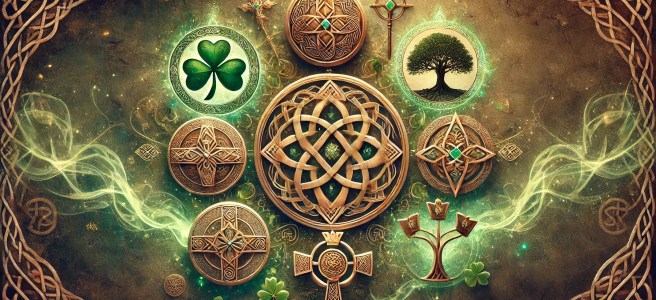
Whether you’re searching for a Trinity Knot necklace, a Celtic warrior shield pendant, or a Tree of Life bracelet, The Irish Jewelry Company offers beautifully crafted pieces that embody these ancient designs. Let’s explore the most popular Celtic symbols and their meanings, and how you can wear a piece of Irish history every day.

1. The Trinity Knot – A Symbol of Eternal Love

One of the most recognizable Celtic symbols, the Trinity Knot (Triquetra) represents the interconnectedness of mind, body, and spirit. It is often associated with eternal love and the Holy Trinity in Irish Christian tradition.

✨ Shop the Look: Sterling Silver Stone Set Trinity Knot Pendant

2. The Claddagh Ring – Love, Loyalty, and Friendship

The iconic Claddagh Ring features a heart (love), hands (friendship), and a crown (loyalty). Originating from the fishing village of Claddagh in Galway, it’s the ultimate symbol of devotion. Wear it with the heart facing outward if you’re single and inward if your heart is taken.

✨ Shop the Look: September Birthstone Claddagh Ring

3. The Celtic Cross – A Blend of Faith and Heritage

The Celtic Cross combines the traditional Christian cross with a circular ring, symbolizing eternity. Found across Ireland’s landscapes, these crosses date back to early Christian times, blending pagan and Christian beliefs.

✨ Shop the Look: Ogham Faith Cross

4. The Tree of Life – Growth and Strength

The Tree of Life (Crann Bethadh) represents strength, harmony, and rebirth. In ancient Celtic tradition, trees were sacred, symbolizing wisdom and connection between earth and the divine.

✨ Shop the Look: Celtic Tree of Life Pendant

5. The Celtic Warrior Shield – Strength and Protection

Inspired by the Ardagh Chalice, the Celtic Warrior Shield design honors the bravery of ancient Celtic warriors. This intricate motif is a symbol of strength and protection, perfect for those who embrace their Irish roots.

✨ Shop the Look: Celtic Warrior Shield Pendant

6. The Dara Knot – Symbol of Resilience

Derived from the Irish word ‘doire’ (oak tree), the Dara Knot signifies inner strength and perseverance, much like the mighty oak’s deep roots.

✨ Shop the Look: Celtic Knot Jewelry

7. The Spiral – A Journey Through Life

The Celtic Spiral represents growth, evolution, and cosmic energy. Used in ancient carvings, this symbol reflects life’s cycles and spiritual expansion.

✨ Shop the Look: Celtic Spiral Pendant

8. The Ailm – Strength and Purity

The Ailm is one of the Ogham symbols, associated with purity and new beginnings. It’s perfect for those embracing personal growth and transformation.

✨ Shop the Look: Ogham Jewelry

9. The Shamrock – Luck and Irish Pride

Used by St. Patrick to explain the Holy Trinity, the Shamrock is one of Ireland’s most beloved symbols. Today, it represents good luck and Irish heritage.

✨ Shop the Look: Lil Irish Devil Shamrock Necklace

10. The Celtic Heart Knot – Everlasting Love

The Celtic Heart Knot intertwines to form an unbroken loop, symbolizing eternal love and devotion. A perfect gift for weddings or anniversaries.

✨ Shop the Look: Double Claddagh Heart Necklace


Why Wear Celtic Symbol Jewelry?

Celtic symbols transcend time, offering a deep connection to Irish history, faith, and love. Whether you wear a Claddagh Ring as a sign of loyalty, a Celtic Cross for faith, or a Tree of Life pendant for balance, these ancient emblems tell a powerful story.

At The Irish Jewelry Company, we craft high-quality pieces that honor Irish tradition. Each design is inspired by Celtic culture and made to be treasured for generations.

Shop Authentic Celtic Symbol Jewelry Today

Discover the perfect Celtic jewelry piece that speaks to your soul. Browse our collection at The Irish Jewelry Company and bring a piece of Ireland into your life.

Nollaig na mBan: Celebrating Women’s Christmas in Ireland on January 6th

Nollaig na mBan: The Day Irish Women Get the Break They Deserve

Picture this: Christmas is over, the tree is wilting, and the kids have already lost half the toys Santa brought them. Meanwhile, Irish women everywhere are still recovering from weeks of decking the halls, cooking for a small army, and refereeing family debates about who makes the best mince pies. Enter Nollaig na mBan, or Women’s Christmas — a day when Irish women finally get to drop the dishcloth, grab their gal pals, and celebrate themselves. It’s like a mix of Valentine’s Day and Christmas but with better stories and probably some cheeky pints of Guinness.

On January 6, while the men are at home valiantly trying (and often failing) to figure out how the vacuum works, women gather for tea, laughter, and the occasional debate over whose Claddagh ring shines brightest. It’s their day to revel in the spirit of friendship, love, and maybe a little sass about how long it took the lads to “volunteer” for the chores. Honestly, if this isn’t one of Ireland’s best-kept secrets, we don’t know what is.

What is Women’s Christmas (Nollaig na mBan)?

January 6th, known as the Feast of the Epiphany, marks the end of the Christmas season in many cultures. In Ireland, however, this day is also famously celebrated as Nollaig na mBan — or Women’s Christmas. Traditionally, this day is a well-deserved holiday for Irish women, recognizing their hard work throughout the festive season. While the men handle the chores, women gather to enjoy a relaxing and joyful day with friends and family.

Why Is It Called Women’s Christmas?

The name Nollaig na mBan directly translates to “Women’s Christmas.” This unique tradition arose in Irish households where women often carried the brunt of the holiday workload — cooking, cleaning, decorating, and ensuring the celebrations ran smoothly. January 6 was their chance to rest, unwind, and celebrate their own version of Christmas.

What Are the Irish Traditions for January 6?

On Nollaig na mBan, women across Ireland gather in homes, restaurants, or pubs to share meals, exchange gifts, and enjoy each other’s company. It’s a day of camaraderie, laughter, and reflection. Here are some ways Irish women celebrate this cherished tradition:

  1. Tea Parties and Gatherings: Women host or attend afternoon teas featuring traditional Irish treats like barmbrackscones, and mince pies.
  2. Dinner Celebrations: Groups of friends or family dine out, often choosing a cozy Irish pub or local restaurant.
  3. Gift-Giving: Thoughtful gifts, such as jewelry, are exchanged as tokens of appreciation and love.
  4. Relaxation: The men take over the household duties, allowing the women to truly relax.

Celebrate Women’s Christmas with Thoughtful Irish Gifts

Looking for the perfect gift to honor the women in your life on Nollaig na mBan? Explore our collection of Irish jewelry that embodies the spirit of the day:

Why Nollaig na mBan Matters Today

While rooted in tradition, Nollaig na mBan remains highly relevant today. It serves as a reminder to acknowledge the contributions of women in families and communities. It’s also an opportunity for women to prioritize self-care, foster friendships, and celebrate their achievements.

How to Celebrate Nollaig na mBan

Whether you’re Irish or simply inspired by the tradition, here’s how you can honor Women’s Christmas:

  1. Host a Gathering: Invite your closest friends for an afternoon of tea, storytelling, and laughter.
  2. Gift Something Special: Show appreciation with a thoughtful gift, like a piece of Irish jewelry that resonates with their personality.
  3. Support Local Businesses: Shop from Irish artisans or jewelry makers to make your celebration even more meaningful.
  4. Take a Break: Whether it’s a spa day, a good book, or a quiet walk, give yourself permission to unwind.

By weaving together the traditions, history, and meaning of Nollaig na mBan with our curated jewelry collection, this article creates an engaging and SEO-optimized story designed to inform, inspire, and drive sales. Happy Women’s Christmas!

Irish New Year’s Traditions and Superstitions: Ringing in the New Year with Irish Charm

As the New Year approaches, the Irish embrace a wealth of traditions and superstitions that blend history, culture, and a touch of mysticism. Whether you’re looking for ways to welcome good fortune or ward off bad luck, these time-honored customs are sure to inspire. Plus, they make the perfect inspiration for Irish-themed gifts to start the year off right!


Top Irish New Year’s Traditions and Superstitions

1. First-Footing for Good Luck

A “first-footer” is the first person to enter your home after midnight. Traditionally, this person should be a dark-haired man to bring good fortune. Many Irish families place significance on their first visitor and often greet them with Irish hospitality.
Celebrate the tradition with a meaningful gift like the Celtic Star Pendant, symbolizing guidance and luck for the year ahead.


2. Opening the Door to Welcome the New Year

At the stroke of midnight, many Irish households open their front door to let the old year out and welcome the new one in. This act symbolizes fresh starts and new opportunities.
Start the year with the Trinity Knot Pendant, representing unity and eternity.


3. Sweeping Out the Bad Luck

In rural Ireland, it’s customary to sweep the threshold of the house to clear out bad luck and make way for good tidings.
Gift the Irish Proverb Affirmation Bracelet as a reminder to stay positive and embrace new beginnings.


4. Lighting a Candle in the Window

This beautiful tradition, often tied to Irish Christmas, extends into New Year’s. Placing a candle in the window invites blessings and ensures a safe journey for loved ones.
Honor this custom with the Celtic Cross Pendant, a timeless symbol of faith and protection.


5. Eating Twelve Grapes for Prosperity

Borrowed from Spanish influence but celebrated in parts of Ireland, eating twelve grapes at midnight is said to bring prosperity—one grape for each month of the year.
Celebrate prosperity with the Irish Claddagh Ring, symbolizing love, loyalty, and friendship.


6. Banging Pots and Pans to Ward Off Spirits

This lively tradition involves making noise to scare away evil spirits and ensure a peaceful New Year.
Protect your loved ones with the Evil Eye Pendant, which is believed to ward off negativity.


7. Placing a Coin on the Doorstep

A silver coin placed on the doorstep at New Year symbolizes wealth and abundance for the coming year.
Embrace this tradition with the Sterling Silver Jewelry, a chic nod to prosperity.


8. Wearing New Clothes for a Fresh Start

Wearing something new at New Year’s is thought to bring fresh opportunities and success.
Complete your look with a dazzling Claddagh Pendant, a classic accessory with deep Irish roots.


9. Toast with Traditional Irish Drinks

No Irish New Year is complete without raising a glass of Guinness or Baileys to toast the occasion. Some even pour a little on the doorstep as an offering for good luck.
Pair your celebration with the Irish Shamrock Earrings, a reminder of Irish heritage.


10. Making Resolutions with Irish Wisdom

The Irish love a good proverb, and what better way to set goals than with wise words?
Wear your intentions with the Irish Proverb Bracelet, a daily reminder to stay inspired.


Shop Irish Jewelry to Start the Year in Style

Celebrate Irish traditions this New Year with meaningful jewelry that embodies luck, love, and legacy. Whether it’s a pendant symbolizing faith or a bracelet reflecting wisdom, The Irish Jewelry Company offers stunning pieces to ring in the New Year with charm.

The Mystical World of Celtic Witches: Origins, Traditions, and Halloween Magic

As Halloween approaches, the fascination with witchesmagic, and the supernatural intensifies. This time of year is perfect for delving into the intriguing world of Celtic witches and the origins of witchcraft. Rooted in ancient traditions, Celtic witchcraft is an enchanting blend of folklore, spirituality, and rituals that have captivated minds for centuries. This article explores the origins of witchcraft, the role of Celtic witches in history, and how their traditions have influenced modern Halloween celebrations. If you seek to embrace Celtic magic this Halloween, discover how you can incorporate authentic Celtic-inspired jewelry and charms into your festivities.

The Origins of Witchcraft: A Journey Through History

Witchcraft has a history stretching back to ancient times, with practices that have evolved and adapted across cultures. The origins of witchcraft can be traced to prehistoric animism, where people believed that natural objects and elements possessed spiritual essence. As civilization progressed, magic and witchcraft were integral parts of early societies, often associated with healing, nature worship, and spiritual guidance.

In the Celtic world, witchcraft was not perceived as evil but rather as a means of connecting with the divine, nature, and the otherworld. The Celts believed in an interconnected world where magic played a role in daily life, offering protection, wisdom, and insight.

Who Were the Celtic Witches?

Celtic witches, often referred to as “wise women” or “healers,” played a significant role in ancient Celtic society. They were highly respected for their knowledge of herbs, healing practices, and mystical rituals. These women, and sometimes men, acted as spiritual leaders, offering guidance and performing ceremonies to honor the natural cycles of life. Unlike the modern stereotype of the “wicked witch,” Celtic witches were viewed as wise individuals who used their skills for the benefit of the community.

The Druids, considered spiritual leaders in Celtic culture, were also closely associated with magic and witchcraft. As practitioners of ancient rituals, they conducted sacred ceremonies, communicated with the spirits, and upheld traditions that would influence European pagan practices for centuries.

Celtic Witchcraft Traditions and Practices

Celtic witchcraft, deeply rooted in the reverence for nature and the spirits, involves various practices and traditions that have stood the test of time. Some of the key elements of Celtic witchcraft include:

  1. Nature Reverence: Celtic witches believed in the power of nature and sought harmony with the natural world. They worshipped the earth, trees, rivers, and other natural entities, seeing them as sacred.
  2. Seasonal Celebrations: The Celts celebrated the cycles of nature with festivals known as “Sabbats.” Samhain, celebrated on October 31st, marks the Celtic New Year and is considered one of the most important Sabbats. It is believed that on Samhain, the veil between the physical world and the spirit world is at its thinnest, allowing for communication with the dead.
  3. Magic and Divination: Rituals involving magic, divination, and communication with spirits were integral to Celtic witchcraft. Using tools like ogham sticks, runes, and crystal stones, Celtic witches sought guidance and insights from the otherworld.
  4. Herbalism and Healing: Herbalism was a central practice, with Celtic witches using herbs for medicinal purposes, charms, and potions. Mugwort, rowan, and hawthorn were among the herbs frequently used for protection and divination.
  5. Ancestor Worship: Honoring the ancestors was an important practice, especially during Samhain. Rituals included leaving food offerings and lighting candles to guide the spirits of deceased loved ones back to the realm of the living.

Samhain: The Origin of Halloween

Samhain, the ancient Celtic festival, is often considered the origin of modern Halloween. The word “Samhain” (pronounced “sow-in”) translates to “summer’s end,” marking the conclusion of the harvest season and the beginning of winter. The Celts believed that during this time, the boundaries between the physical world and the spirit world were blurred, allowing spirits to visit the living.

Samhain traditions included lighting bonfires to ward off evil spirits, wearing costumes to disguise oneself from mischievous spirits, and making offerings to appease the wandering souls. Many of these traditions have been carried into modern Halloween celebrations, such as trick-or-treating and wearing costumes.

The Influence of Celtic Witchcraft on Modern Wicca

Celtic witchcraft has left a lasting impact on contemporary spiritual practices, particularly modern Wicca. Many Wiccan traditions have integrated elements of Celtic rituals, seasonal celebrations, and nature reverence. Wiccans honor the Celtic Sabbats, including Samhain, and incorporate Celtic symbols and deities into their magical practices. The connection between modern witchcraft and ancient Celtic traditions continues to shape the spiritual landscape, blending the past with the present.

Citations:

For the origins of witchcraft, Ronald Hutton’s The Witch: A History of Fear (2017) and Owen Davies’ Grimoires (2009) provide key insights. The role of witches in Celtic society is detailed by Barry Cunliffe in The Ancient Celts (1997) and Miranda Green’s The World of the Druids (1997). Celtic traditions and seasonal celebrations are explored in James Frazer’s The Golden Bough (1922) and John MacCulloch’s The Religion of the Ancient Celts (1911). The connection between Samhain and Halloween is covered by Jack Santino’s Halloween and Other Festivals of Death and Life (1994) and Fergus Kelly’s Early Irish Farming (1997). Finally, the influence of Celtic witchcraft on modern spirituality is discussed in Chas Clifton’s Her Hidden Children (2006) and Ethan Doyle White’s Wicca (2016).