Mastering the Irish Goodbye: The Art of Disappearing Like a Pro!

“Ever slipped out of a party unnoticed? Congratulations, you’ve pulled off an Irish goodbye!”

An Irish goodbye, sometimes called a French exit, is the time-honored act of leaving a gathering without saying farewell. While some people see it as rude, others celebrate it as efficient, classy, or simply a survival tactic when social batteries hit zero. The truth? The Irish goodbye is less about rudeness and more about practicality, with deep roots in cultural quirks and linguistic twists.

But why exactly is it called the Irish goodbye? Let’s dive into the history, etiquette, and global variations of this disappearing act.


Why It’s Called the “Irish Goodbye

The origins of the term are fuzzy, but most agree it’s primarily an English-speaking invention. Some suggest it was born out of old stereotypes about the Irish, while others argue it reflects a universal human habit given a catchy label.

Interestingly, different cultures have their own names for the same act:

  • In France, they call it “filer à l’anglaise” (to leave the English way).
  • In Germany, it’s “Polnischer Abgang” (Polish exit).
  • In the U.S. and U.K., the “Irish goodbye” has stuck as the most colorful term.

So while the Irish don’t necessarily own the practice, the phrase endures because it’s funny, memorable, and let’s be honest, relatable.


What Exactly Is an Irish Goodbye?

At its simplest:
Definition – An Irish goodbye means slipping out of a social event, whether it’s a party, wedding, or bar night, without announcing your departure to the host or guests.

It’s a “vanishing act” that requires no excuses, no awkward hugs, and no drawn-out goodbyes.


Is an Irish Goodbye Rude or Brilliant?

Etiquette matters. Whether an Irish goodbye is rude or not depends on:

  • Size of the gathering – At a huge party, nobody will notice. At an intimate dinner with six people, disappearing might sting.
  • Relationship with the host – If it’s your best friend, a quiet “thanks for having me” might be better than a ghost exit.
  • Cultural context – In some places, efficiency is respected. In others, skipping farewells is considered impolite.

Pro tip: At big events, the Irish goodbye is often the smoothest move. At smaller ones, a whispered goodbye to the host earns more points.


Why People Use the Irish Goodbye

  1. Avoiding the Farewell Marathon
    We all know how goodbyes can snowball: one hug turns into ten, one goodbye turns into a 20-minute ordeal. An Irish goodbye saves time and awkwardness.
  2. Social Battery on Empty
    For introverts or anyone drained after a night of chatter, sneaking out is self-preservation.
  3. Too Much Drink
    Sometimes, leaving quietly is safer than making a scene.
  4. Polite Disappearance
    Oddly enough, disappearing can be less disruptive than loudly announcing you’re leaving.

The Global Family of Disappearing Acts

The Irish goodbye isn’t the only member of this family:

  • French Exit – Popular in the U.S., same meaning.
  • Going Houdini – A modern, playful term inspired by the magician.
  • Dutch Leave – Another variation, though less common today.

This shows that every culture has recognized the universal instinct to “slip away quietly.”


The “Ole Irish Goodbye

Sometimes you’ll hear the phrase the ole Irish goodbye.” This is just a colorful way of saying the same thing, a playful twist, emphasizing the humor and tradition of it. Think of it as a wink and nod to those who consider it an art form.


People Also Ask

What is the Irish goodbye?
It’s leaving a party or gathering without saying goodbye. Quick, quiet, and often unnoticed.

What is an Irish goodbye in Urban Dictionary?
Urban Dictionary defines it as “leaving without telling anyone,” usually from a bar or party, often after one too many drinks.

What is a French exit vs Irish goodbye?
They mean the same thing: disappearing without farewells. “French exit” is more common in Europe, while “Irish goodbye” dominates in the U.S.

What is the Ole Irish goodbye?
A humorous, folksy way of referring to the same practice, making your exit without formalities.


Conclusion: The Irish Goodbye as a Life Hack

Far from being rude, the Irish goodbye can be seen as a social life hack, a way to leave gracefully without disrupting the flow of the night. In fact, it’s often more considerate than holding up the party with endless hugs and chatter.

So the next time you slip out unnoticed, just remember: you’ve mastered an ancient art. Whether you call it an Irish goodbye, French exit, or going Houdini, you’re disappearing like a pro.

Witch Trials in Ireland: The Forgotten Stories of Fear and Folklore

When we think of witch trials, most minds leap straight to Salem in colonial Massachusetts or to continental Europe, where tens of thousands of people were executed between the 15th and 18th centuries. But Ireland? Surprisingly, the Emerald Isle witnessed far fewer witch trials than its neighbors. In fact, only a handful are recorded in the historical record, most famously the Kilkenny Witch Trial of 1324 and the Islandmagee Witch Trial of 1711.

These stories are tragic, chilling, and deeply revealing of Ireland’s unique cultural relationship with magic, religion, and the supernatural. Unlike in other countries, Irish witch trials often intersected with folklore about fairies, superstition, and church politics rather than mass hysteria.

Let’s dive into the history of Ireland’s witch trials, why there were so few, and what makes the Irish approach to witchcraft so different from the infamous witch-hunts elsewhere.


The Kilkenny Witch Trial (1324): Ireland’s First Witch Execution

Context

The Kilkenny trial remains the most famous witch trial in Ireland. At its center was Alice Kyteler, a wealthy and influential merchant’s wife. Alice had married multiple times, each time acquiring wealth after her husbands mysteriously died. This raised suspicion among local authorities, particularly Richard de Ledrede, the Bishop of Ossory.

Bishop Ledrede accused Alice and her household of practicing sorcery, heresy, and consorting with demons, among the charges: brewing potions made from the organs of sacrificed animals, performing rituals at crossroads, and invoking spirits for power.

Outcome

Alice Kyteler fled Ireland before she could be tried, escaping her fate. But her maidservant, Petronilla de Meath, was not so lucky. Under torture, Petronilla “confessed” to witchcraft and claimed her mistress taught her sorcery.

On November 3, 1324, Petronilla was burned alive at the stake in Kilkenny. She became the first person executed for witchcraft in Ireland, her name etched into history as both a victim of superstition and church authority.


The Islandmagee Witch Trial (1711): Ireland’s Last Witch Trial

Context

Nearly 400 years later, Ireland witnessed its last major witch trial in the coastal village of Islandmagee, County Antrim.

An 18-year-old girl, Mary Dunbar, claimed she was being tormented by supernatural forces. She accused eight women and one man of bewitching her, describing attacks where unseen forces pricked her skin, threw her into fits, and whispered blasphemous curses.

Outcome

Authorities arrested the accused and brought them to trial in Carrickfergus. Despite weak evidence, widespread fear and superstition sealed their fate. All nine were found guilty.

Instead of execution, the accused were sentenced to a year in prison and time in the public pillory. Still, the trial left a lasting mark as a “lingering injustice” and is remembered as Ireland’s final witch trial.


Why Were There Fewer Witch Trials in Ireland?

Unlike Scotland, Germany, or France, where thousands perished, Ireland’s witch trials were rare. Why?

1. Different Cultural Approach to the Supernatural

Ireland’s folklore was filled with fairy belief, folk cures, and magical traditions. Many practices that might have been condemned as witchcraft elsewhere were tolerated or even respected in Irish communities.

For example, a healer using herbs or charms might be seen as working with fairy power rather than demonic influence. This cultural distinction protected many from accusations.

2. Legal Framework

Ireland’s legal system treated witchcraft differently. Unlike England’s Witchcraft Act of 1542, Irish courts often categorized witchcraft as heresy rather than a stand-alone crime. This meant fewer executions, as charges were harder to prosecute.

3. Church vs. Local Tradition

While the Catholic Church condemned sorcery, Irish rural communities continued to rely on wise women, herbalists, and charm-makers. Instead of fearing them, many saw these individuals as protectors against misfortune or the evil eye.


Witch Trials in a Wider Context

To understand how rare Irish witch trials were, let’s compare:

  • Scotland: Between 3,000 and 4,000 people were executed for witchcraft.
  • Germany: Some regions saw entire villages wiped out in witch hunts.
  • England: Over 500 executions between the 15th and 18th centuries.
  • Ireland: Only four documented trials, with one execution (Petronilla de Meath).

This contrast highlights Ireland’s unique blend of folklore and faith, which softened the harsh edges of witch-hunting hysteria.


Witchy Places to Visit in Ireland

For those drawn to history, folklore, and witchy tourism, a few places in Ireland still echo with these stories:

  • Kilkenny: Walk the medieval streets where Alice Kyteler once lived. Today, you can even visit Kyteler’s Inn, a pub linked to her legacy.
  • Islandmagee, Co. Antrim: A quiet coastal village with a dark memory of Ireland’s last witch trial.
  • Fairy Forts & Hawthorn Trees: Scattered across Ireland, these sites embody the old beliefs in magic and the supernatural. Cutting down a fairy tree is still said to bring bad luck!

People Also Ask

Were there ever witch trials in Ireland?
Yes, though rare. The most notable were the Kilkenny trial (1324) and the Islandmagee trial (1711).

Where are the witchy places to visit in Ireland?
Kilkenny (linked to Alice Kyteler), Islandmagee in Antrim, and various fairy forts and sacred sites are still associated with magic.

Which country had the worst witch trials?
Germany is often cited, with tens of thousands executed. Scotland and Switzerland also had high numbers.

How many witches did Matthew Hopkins execute?
Matthew Hopkins, the infamous English “Witchfinder General,” was responsible for around 300 executions in England during the 1640s.

Who was executed for witchcraft in Ireland?
Petronilla de Meath (1324) was the first and only woman burned at the stake in Ireland for witchcraft.

Did the Irish have immunity to witch-hunting?
Not immunity, but Ireland’s cultural beliefs, legal framework, and folklore traditions meant witch trials were rare compared to the rest of Europe.


Conclusion: Folklore Over Fear

Ireland’s witch trials, though few, remain powerful reminders of how fear, religion, and folklore intertwined in history. The tragedy of Petronilla de Meath and the injustice of the Islandmagee trial reflect the darker side of belief but also highlight Ireland’s unique resilience against the witch-hunting frenzy that consumed so much of Europe.

Today, these stories serve as cautionary tales and cultural touchstones. Whether visiting Kyteler’s Inn in Kilkenny or standing among the windswept fields of Islandmagee, one can still feel the echoes of Ireland’s witch women and men caught between folklore and fear.

And perhaps, unlike other nations, Ireland’s deep-rooted respect for fairy magic, folk cures, and community tradition shielded it from the worst of the witch-hunting terror.

Irish Harvest Festival: Michaelmas & Celtic Autumn Feasts

The arrival of autumn in Ireland has always been more than just a change in season; it marks a time of abundance, gratitude, and preparation for the long, dark winter ahead. In ancient times, the Irish harvest was celebrated through festivals that combined Celtic fall traditions with later Christian observances like Michaelmas. These gatherings were filled with feasts, storytelling, rituals, and symbolic practices that blended the mystical with the practical. Today, echoes of these celebrations remain in Irish culture, offering a glimpse into a way of life deeply tied to the land and its cycles.


The Meaning of the Irish Harvest

The Irish harvest was central to survival. Grains, vegetables, and fruits gathered during autumn determined whether a family or community would thrive through the winter. Traditionally, harvest time began after Lughnasadh in August and extended through September, culminating in feasts such as Michaelmas at the end of the month.

The harvest wasn’t just about food; it symbolized balance. It was a time to honor the Celtic fall traditions that celebrated the bounty of the earth, while also acknowledging the waning light as days grew shorter. Fields were cleared, animals were slaughtered for meat, and thanks were given to gods, saints, and spirits alike.


Michaelmas – The Feast of St. Michael

Christian and Celtic Blending

Michaelmas, held on September 29, honored St. Michael the Archangel, the protector against evil and the harvester of souls. When Christianity spread through Ireland, this feast merged with older Celtic harvest rituals. It marked the turning point of the farming year when debts were settled, workers were paid, and contracts renewed.

Michaelmas Goose and Other Foods

One of the most famous Michaelmas traditions in Ireland was the eating of the Michaelmas goose. Families who could afford it would roast a fattened goose, often served with apples and potatoes. Goose fat was also said to protect against illness during the cold months ahead.
Other staples included:

  • Colcannon (mashed potatoes with cabbage or kale)
  • Barmbrack (fruit bread linked with divination)
  • Apples from the autumn harvest
  • Blackberries, which folklore warned should not be picked after Michaelmas, as the devil was said to spit on them.

Folklore and Superstitions of Michaelmas

  • Protecting Health: Eating goose on Michaelmas was believed to ensure good health for the coming year.
  • Weather Predictions: Farmers watched Michaelmas weather closely, believing it forecasted winter conditions.
  • Blackberry Superstition: A widely held Irish belief held that after Michaelmas, blackberries were spoiled because the devil had cursed them.

Celtic Fall Traditions and Festivals

Long before St. Michael, the Irish honored the harvest with their own rituals. Celtic fall traditions reflected the sacred connection between the natural world and the divine.

Lughnasadh’s Influence

Though primarily celebrated in August, Lughnasadh set the stage for the harvest season. It was dedicated to Lugh, the god of skill and craftsmanship, and featured first-fruit offerings, athletic games, and matchmaking. By Michaelmas, these celebrations shifted to a more solemn recognition of the waning sun and the need for preservation.

Samhain Approaches

Michaelmas was not the end of harvest festivals; it was a bridge to Samhain in late October, when the last of the crops were gathered, and the Celtic new year began. Samhain carried a more spiritual and supernatural weight, while Michaelmas focused on the practical balance of food, contracts, and protection.


Rituals and Customs of the Irish Harvest

The Irish harvest wasn’t only about food and feasts. Customs carried deep symbolic meaning:

  • The Last Sheaf: Farmers often saved the last sheaf of wheat as a charm for good luck. Sometimes it was woven into a Corn Dolly, representing fertility and protection.
  • Bonfires: Leftover from pagan traditions, fires were lit to honor the sun’s power as it faded.
  • Divination Games: Young people used harvest foods like apples and barmbrack to predict their future, especially in matters of love and marriage.
  • Offerings of Thanks: Small gifts of grain or bread were left at sacred wells and stones to appease spirits and ensure blessings.

Michaelmas in Irish History

During medieval times, Michaelmas was one of the “quarter days” when rents were due, servants were hired, and fairs were held. It wasn’t only a religious feast but an economic and social anchor point. Entire villages came together for fairs featuring music, horse trading, storytelling, and dancing.

These fairs carried on traditions from Celtic gatherings like the Aonach, where clans met to celebrate, settle disputes, and arrange marriages. By blending Christian rituals with older Celtic customs, Michaelmas became a truly Irish hybrid celebration.


Symbols of Michaelmas and Celtic Autumn

The Goose

A symbol of protection, sustenance, and foresight.

Blackberries and Apples

Linked to fertility, temptation, and divine blessings.

The Sheaf or Corn Dolly

Representative of the harvest spirit and carried forward into the next planting season.

St. Michael the Archangel

Protector and warrior, blending Christian ideals with Celtic warrior traditions.


How Irish Harvest Traditions Live On Today

While the large-scale harvest feasts of old are no longer central to Irish life, many customs endure:

  • Families still bake barmbrack around late September and October.
  • Irish festivals in towns and villages honor local harvests with food fairs.
  • Michaelmas remains a date of cultural memory, often tied to agricultural events.
  • Folklore, such as the “devil spoiling blackberries,” is still retold in rural areas.

Even in modern celebrations like the National Ploughing Championships, echoes of ancient Celtic fall traditions remain in Ireland’s connection to the land and its cycles.


Celtic Jewelry Inspired by Autumn Festivals

Harvest rituals often included wearing or gifting symbolic jewelry. Celtic knots, sheaves of wheat, and protective talismans were linked to abundance and protection. Today, jewelry inspired by Celtic fall traditions continues to carry these meanings.

Pieces like the Celtic Knot Jewelry serve as modern reminders of ancient cycles of life, death, and renewal. Just as harvests ensured survival, jewelry celebrates endurance and continuity in Irish heritage.


Conclusion

The Irish harvest season, with Michaelmas at its center, reflects Ireland’s ability to weave together the practical and the mystical. From Celtic fall traditions rooted in the land to Christian overlays honoring saints, the autumn feasts of Ireland highlight gratitude, community, and resilience.

Today, these customs endure in folklore, food, and symbolic practices, reminding us to pause, give thanks, and honor both the abundance and impermanence of life. Whether through baking barmbrack, enjoying a Michaelmas goose, or wearing Celtic jewelry with harvest symbolism, these traditions keep Ireland’s rich cultural heritage alive.

Irish Halloween Traditions From Samhain to Today

Over 2,000 years ago, long before pumpkins, candy, and store-bought costumes, the Celtic festival of Samhain marked the end of the harvest and the beginning of winter in Ireland. Many of the Irish Halloween traditions we recognize today, from wearing masks to trick-or-treating can be traced back to this ancient fire festival. In fact, modern Halloween as celebrated worldwide, owes much of its origin to the Celtic festivals of Ireland and Scotland.

In this article, we’ll explore how Samhain gave birth to today’s Halloween, dive into six key traditions that originated in Ireland, and show how these customs still live on—sometimes in surprising ways.


The Celtic Roots of Halloween

Halloween is often thought of as an American holiday, but its roots are deeply Irish. The Celts celebrated Samhain (pronounced SOW-in), one of the four great fire festivals along with Imbolc, Bealtaine, and Lughnasa. Samhain, held from October 31 to November 1, marked the turning of the year, when the light half ended, and the dark half began.

The Celts believed that at this liminal moment, the veil between worlds grew thin. Spirits of ancestors returned to visit their families, while trickster fae and malevolent beings roamed freely. To protect themselves and honor the dead, people lit bonfires, wore disguises, and made offerings of food and drink.

This mixture of reverence, fear, and celebration created the foundations of what we know today as Halloween.


Six Halloween Traditions That Come from Ireland’s Samhain Festival

1. Fabric Masks – Disguising from Spirits

During Samhain, the Irish wore simple fabric masks and costumes made from animal skins or tattered cloth. These disguises weren’t about fun, they were about survival. The belief was that if wandering spirits could not recognize you as human, they would leave you unharmed.

This custom later evolved into the medieval practice of “guising” in Ireland and Scotland, where children and adults would dress up and perform songs or rhymes for food. By the time Halloween crossed the Atlantic with Irish immigrants in the 19th century, guising had transformed into what Americans now call trick-or-treating.

Even today, the act of dressing up at Halloween pays homage to those first Celts who wrapped themselves in cloth and hides to outwit supernatural forces.


2. Lanterns – From Turnips to Pumpkins

Long before carved pumpkins lined porches, the Irish hollowed out turnips, beets, or mangelwurzels to create protective lanterns. These grimacing faces, often illuminated with embers from Samhain bonfires, were designed to ward off evil spirits.

This tradition ties closely to the legend of Stingy Jack, a mischievous man doomed to wander the night with only a carved turnip lantern. When Irish immigrants arrived in America, they discovered the pumpkin to be a larger, easier-to-carve alternative. Thus, the jack-o’-lantern was born, but its soul remains thoroughly Irish.

Lantern-making reflects both the Celtic need for protection and the creativity of ordinary people using whatever materials the earth provided.


3. Jewelery of the Earth – Amulets for Protection

One lesser-known Samhain custom was the use of “jewelery of the earth” charms and natural talismans worn for protection. The Celts believed that stones, shells, and carved bones held magical energy. Wearing them during Samhain offered defense against wandering fae or spirits that might bring mischief.

For example, jet, amber, and bone amulets were popular. Even simple knots carved into wood became powerful symbols. This tradition survives in Ireland today in the wearing of Celtic jewelry, Trinity Knots, Claddaghs, and Celtic crosses, each carrying protective or spiritual meaning.

At The Irish Jewelry Company, you’ll find many designs that echo these ancient protective charms, keeping alive the Celtic festivals’ link between adornment and spirituality.


4. Bairín Breac – Fortune Telling in a Loaf

Halloween in Ireland would not be complete without Bairín Breac, a sweet, yeasted fruit bread often baked with hidden tokens inside. Each item carried a meaning:

  • A ring signified marriage within the year.
  • A coin foretold wealth.
  • A pea or a stick could mean poverty or discord.

Families would slice the loaf at Halloween gatherings, turning the humble bread into a form of fortune-telling. The tradition of Bairín Breac remains popular in Ireland today, showing how food, festivity, and prophecy all came together during Samhain.


5. Protecting from Tricksters – Warding Off Mischief

The Irish believed that on Samhain night, both human and otherworldly tricksters roamed the land. To ward them off, people would leave out offerings of food and drink. This appeased the faeries and spirits, ensuring they passed by peacefully instead of causing harm.

Households also relied on protective charms, iron keys, salt, or even carved symbols above doorways to keep tricksters at bay. Over time, this transformed into the custom of children playing pranks on Halloween, echoing the spirit of mischievous beings once feared in Celtic Ireland.

Today’s Halloween mischief, from egging houses to spooky games, can be traced directly back to the Irish Halloween traditions of protecting against trickery during Samhain.


6. Trick or Treating – Ancient Customs, Modern Fun

The practice of trick-or-treating is one of Halloween’s most beloved customs, and its roots stretch back to Ireland. During Samhain, children and the poor would go door to door singing songs or reciting prayers for the dead in exchange for food. This was known as “souling.”

By the Middle Ages, this evolved into “guising,” where costumed visitors performed tricks for small offerings. When Irish immigrants brought these customs to America, they blended into the tradition of children saying “trick or treat!”

What was once a ritual to honor ancestors has become a playful tradition, but it remains one of the clearest examples of how Celtic festivals shaped the modern Halloween we know today.


Other Irish Halloween Traditions and Folklore

Divination and Games

Beyond Bairín Breac, Samhain nights were filled with fortune-telling games. Apples floated in tubs of water, and young people would try to bite them to see who would marry first. Hazelnuts were roasted in the fire to predict love matches, with each nut named for a potential sweetheart.

Bonfires and Community

Massive bonfires lit the Irish countryside during Samhain, symbolizing purification and protection. Villagers would light torches from the communal fire to rekindle their home hearths, tying the community together.

Honoring the Dead

Families left out an empty chair or plate of food to welcome deceased relatives. This blend of fear and reverence is still visible in the way we think of Halloween as both spooky and sacred.


The Spread of Irish Halloween Traditions Worldwide

When millions of Irish emigrated to America in the 19th century, they carried their Samhain traditions with them. In the United States, these customs mingled with other cultures, evolving into modern Halloween. The jack-o’-lantern, trick-or-treating, and costume parties all owe their existence to these Irish roots.

Today, Halloween is a global holiday, but Ireland remains its spiritual home. Villages like Athboy and Derry now host Celtic festivals every October, re-enacting the lighting of ancient bonfires and celebrating Samhain as their ancestors once did.


Irish Halloween Jewelry – A Modern Connection to Samhain

Jewelry has always been more than decoration in Irish tradition—it’s a link to protection, identity, and heritage. The “jewelery of the earth” worn during Samhain has evolved into modern Celtic pieces that still carry meaning.

  • Trinity Knots symbolize eternity and spiritual protection.
  • Claddagh Rings represent love, loyalty, and friendship.
  • Celtic Crosses echo the blending of pagan and Christian symbolism.

By wearing these designs during Halloween, you connect with the Irish Halloween traditions of warding off spirits and honoring heritage. Explore collections at The Irish Jewelry Company to find meaningful pieces that carry forward the protective spirit of Samhain.


Conclusion – From Samhain Fires to Trick-or-Treat Streets

Halloween may now be a worldwide celebration of costumes, candy, and spooky fun, but its beating heart lies in Ireland’s Samhain festival. From fabric masks and lanterns to Bairín Breac and trick-or-treating, so many of the traditions we hold dear come directly from the Celts, who honored the turning of the year with fire, food, and folklore.

By remembering these origins, we don’t just enjoy Halloween; we honor thousands of years of heritage. Whether you light a jack-o’-lantern, put on a mask, or share a slice of fruit loaf, you’re taking part in rituals that began in the Irish countryside long ago.


FAQ – People Also Ask

Q: What are the origins of Halloween in Ireland?
A: Halloween originated from the Celtic festival of Samhain, celebrated in Ireland over 2,000 years ago. It marked the end of harvest and the start of winter, when spirits were believed to walk among the living.

Q: What Irish Halloween traditions still exist today?
A: Customs such as carving lanterns, dressing in costumes, baking Bairín Breac, and trick-or-treating all come from ancient Samhain practices.

Q: How did Samhain become Halloween?
A: Samhain merged with Christian All Hallows’ Eve in the Middle Ages. Irish immigrants later carried these traditions to America, where they evolved into modern Halloween.

Q: What food is eaten at Halloween in Ireland?
A: The traditional food is Bairín Breac, a fruit loaf baked with hidden charms for fortune-telling. Colcannon, made from potatoes and cabbage, is also popular.

The Promise Ring and its Significance in Irish Culture

The Irish Promise Ring and its Significance in Celtic Culture

In Celtic culture, jewelry has always carried meaning beyond simple adornment. From intricate knots that symbolize eternity to rings that express love and loyalty, these designs embody centuries of tradition. One of the most cherished pieces to emerge in modern times is the promise ring, a token of devotion, loyalty, and intention. Within Irish tradition, the Claddagh design has become one of the most popular ways to wear a promise ring, making it both a symbol of heritage and heartfelt emotion.


What is a Promise Ring?

promise ring is a meaningful piece of jewelry given to symbolize commitment between two people. It represents a pledge whether it’s a promise of fidelity, a vow of future engagement, or simply a way of saying, “I’m devoted to you.” Unlike an engagement ring, which specifically signals marriage, promise ring can carry many interpretations.

For young couples, a promise ring may signify exclusivity and the beginning of a serious relationship. For others, it may serve as a placeholder until the time is right for an engagement. In every case, promise ring communicates loyalty and intention.


Is a Promise Ring the Same as a Commitment Ring?

The terms are often used interchangeably, but a promise ring and a commitment ring can have subtle differences. A promise ring generally reflects a personal vow made between two people, while a commitment ring may also symbolize shared values, religious faith, or even a friendship bond.

Both pieces carry weight and emotion, but the Irish Claddagh design has emerged as one of the most meaningful settings for a promise ring, due to its timeless symbols of love, friendship, and loyalty.


Origin of the Promise Ring: Story of the Posy Ring

The promise ring has deep historical roots. During the Renaissance, lovers exchanged “posy rings,” simple bands engraved with short poems or romantic inscriptions. These inscriptions, known as “posies,” were declarations of love and devotion, making the rings early precursors of the modern promise ring.

In England and Ireland, posy rings were particularly cherished among couples who wanted to declare their bond publicly. Over time, the tradition of the posy ring evolved into the more defined promise ring, a tradition still cherished today.


The Irish Claddagh Ring: The Perfect Choice for a Promise Ring

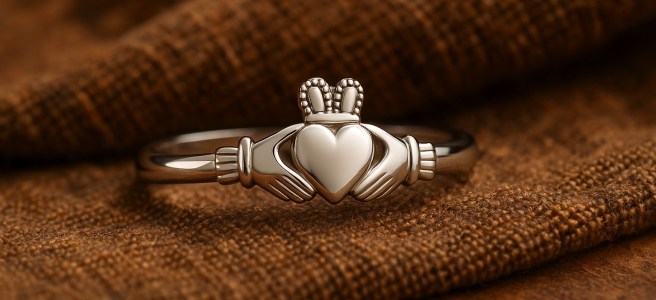
Among all designs, the Irish Claddagh has become synonymous with the promise ring. This traditional ring features a heart (representing love), hands (friendship), and a crown (loyalty). These three elements make the Claddagh one of the most perfect choices for a promise ring.

Origin of the Claddagh Ring?

The Claddagh design dates back to the 17th century in a small fishing village near Galway, Ireland. It is said that Richard Joyce, an Irishman captured by pirates, learned the art of goldsmithing while enslaved. Upon his release, he crafted the first Claddagh ring, dedicating it to his true love. This story of love, devotion, and loyalty resonates beautifully with the meaning of a promise ring.

Discover our Claddagh Rings

Explore our collection of Claddagh Rings here.

Our authentic designs are perfect for those looking for a heartfelt promise ring rooted in Irish tradition.


Crossover Knot Claddagh Ring Design

The Crossover Knot Claddagh Ring blends two powerful Celtic symbols into one. The infinity knot woven into the band represents eternity, while the Claddagh itself reflects love, friendship, and loyalty. Together, they create an exquisite promise ring that speaks of everlasting devotion.


Diamond and Sterling Silver Claddagh Stackable Ring Set

For a modern and versatile style, our Diamond and Sterling Silver Claddagh Stackable Ring Set is an elegant choice. This set can be worn together or separately, making it ideal as a promise ring that grows with your relationship.


How to Give a Promise Ring?

The giving of a promise ring should be heartfelt and sincere. There are no strict rules, but here are some meaningful ways to present it:

  • Private and Romantic: Over dinner, a quiet walk, or at a personal spot with shared memories.
  • Special Occasion: Birthdays, anniversaries, or holidays can be ideal times to gift a promise ring.
  • Symbolic Gesture: Some choose to recite a personal vow or read a poem when presenting a promise ring, echoing the ancient posy ring tradition.

The most important aspect is the sincerity of the moment. A promise ring should always carry genuine intent.


How Much Should I Spend on a Promise Ring?

Unlike engagement rings, there are no rules about cost when it comes to a promise ring. The focus is on the meaning rather than the price. Some couples choose sterling silver or simple gold bands, while others prefer more elaborate designs with gemstones or diamonds.

A good guideline is to spend what feels comfortable while ensuring that the promise ring is a piece your partner will cherish and proudly wear. The Irish Claddagh, in sterling silver or gold, offers a meaningful option that balances affordability with tradition.


The Bottom Line:

promise ring is a timeless token of love, devotion, and loyalty. In Celtic culture, where symbolism and tradition hold deep meaning, the Claddagh design is the perfect representation of what a promise ring should stand for. Whether you choose a simple silver design or a diamond-accented version, the sentiment remains powerful.


Claddagh September Birthstone Ring

For those looking for a personalized touch, the Claddagh September Birthstone Ring makes a stunning promise ring. Featuring a deep sapphire-blue stone, it symbolizes truth and sincerity, two essential elements of a genuine promise.


Ladies 10K White Gold Emerald Claddagh Ring

Another exceptional choice is the Ladies 10K White Gold Emerald Claddagh Ring. The emerald, Ireland’s most iconic gemstone, represents love and loyalty. Set in gold, this design transforms the Claddagh into an heirloom-worthy promise ring.


People Also Ask

What is the meaning of the promise ring?
The meaning of a promise ring is a pledge of love, loyalty, and future intention. It symbolizes devotion and commitment, whether as a pre-engagement token, a vow of fidelity, or a sign of exclusive love.

Which finger do I put a promise ring on?
Traditionally, a promise ring is worn on the ring finger of the left hand if it is meant as a pre-engagement ring. However, it can also be worn on the right hand to symbolize devotion without the immediate intention of marriage.

What is the 3 month rule for ring?
The “3 month rule” often refers to the guideline for engagement rings, suggesting a budget of three months’ salary. This does not apply to a promise ring, which is more about meaning than cost. Couples are free to choose a style and budget that reflects their personal relationship.

How serious is a promise ring?
promise ring is very serious in meaning; it reflects loyalty, trust, and a pledge for the future. While it may not carry the binding nature of an engagement ring, the emotional significance is equally important.


About The Irish Jewelry Company

The Irish Jewelry Company is proud to bring authentic Irish tradition to life through meaningful jewelry. From Claddagh rings to Celtic knot designs, each piece is crafted to carry the symbols of heritage and love.

Join our community!

Click here to become part of our community. Stay connected for stories of Irish culture, jewelry insights, and exclusive offers.

Grace O’Malley: Ireland’s Famous Pirate The Pirate Queen

Grace O’MalleyThe Pirate Queen

Who was Grace O’Malley?

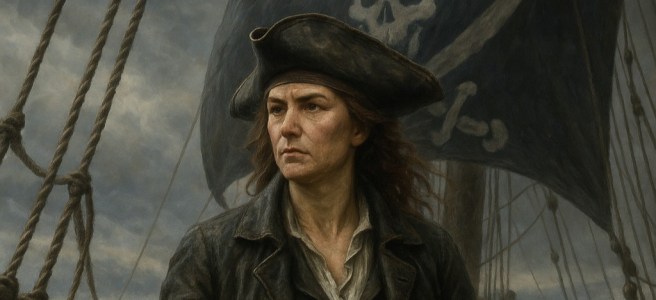
Grace O’Malley, also known as Gráinne Mhaol, was Ireland’s most legendary female pirate, better remembered as the Pirate Queen of Connacht. Born around 1530 into the powerful O’Malley clan of County Mayo, Grace grew up along the rugged western coast of Ireland. The O’Malleys were a seafaring family, controlling shipping routes and coastal trade. From an early age, Grace was fascinated by the sea.

Stories say she once cut her hair short to convince her father to let her sail, earning the nickname “Gráinne Mhaol,” meaning “Bald Grace.” Soon, she commanded her own fleet, dominating trade and coastal waters at a time when female leaders were nearly unheard of.

The Conquest of Ireland

Grace’s rise coincided with one of the most turbulent times in Irish history, the Tudor conquest of Ireland. As England expanded its control, Irish chieftains were forced to submit or fight. Grace O’Malley became a fearless leader, not only navigating treacherous seas but also standing against English forces who threatened her territory.

Her ships raided merchant vessels, levied tolls, and protected her clan’s waters. To some, she was a pirate. To others, she was a patriot—defending Irish independence at sea.

Grace O’Malley’s Love Life

Grace’s personal life was as dramatic as her adventures at sea. She married twice: first to Donal O’Flaherty, with whom she bore three children, and later to Richard Bourke, nicknamed “Iron Richard.” Unlike many women of her time, Grace refused to live in the shadows of her husband’s. She negotiated alliances, commanded men, and led fleets, showing Ireland that women could wield power both at home and on the seas.

Grace O’Malley and Queen Elizabeth I

One of Grace’s most famous stories is her meeting with Queen Elizabeth I in 1593. Legend says the two women met at Greenwich Palace, with Grace petitioning the Queen to release her captured son and restore her lands.

Despite neither speaking the other’s language, they communicated in Latin. Grace boldly refused to bow before Elizabeth, seeing herself as her equal, not her subject. This remarkable encounter between two powerful women of history continues to capture imaginations worldwide.

Celtic Anchor of Hope Pendant

Sailors like Grace O’Malley believed deeply in the anchor as a symbol of hope and stability. Our Celtic Anchor of Hope Pendant blends this maritime tradition with Celtic design—an inspiring piece for those navigating life’s storms.

Pirate Queen Pendant

Channel Grace’s legendary spirit with our Pirate Queen Pendant. This gold-over-silver necklace is more than jewelry; it’s a reminder of strength, adventure, and the untamed Irish spirit.

Grace O’Malley’s Enduring Impact

Grace O’Malley remains Ireland’s most famous female pirate. To this day, she symbolizes independence, courage, and leadership. Writers, historians, and musicians celebrate her as the true Pirate Queen of Ireland, keeping her story alive across generations.

People also ask:

Is The Pirate Queen based on a true story?
Yes—Grace O’Malley’s life inspired plays, books, and even musicals. Her daring exploits are well-documented in Irish history.

Who was the female pirate queen of Ireland?
Grace O’Malley is universally recognized as the Pirate Queen of Ireland.

What was Grace O’Malley’s petition to the Queen?
She petitioned Queen Elizabeth I for the release of her son and restoration of family lands, successfully negotiating with the English crown.

Who is the most famous pirate queen?
Grace O’Malley holds this title, though other women like Anne Bonny also gained fame on the seas.


International Talk Like a Pirate Day

September 19 is International Talk Like a Pirate Day, a playful celebration where people swap modern speech for hearty “Ahoy, matey!” and “Arrr!” greetings. While lighthearted today, it’s a fun way to honor figures like Grace O’Malley, who truly lived the pirate life.

People also ask:

Why is September 19 Talk Like a Pirate Day?
It began as a joke between friends in 1995 and quickly spread worldwide as a quirky holiday.

Does Krispy Kreme still do Talk Like a Pirate Day?
Many companies once celebrated with promotions, though traditions change yearly.

What is the meaning of Talk Like a Pirate Day?
It’s simply a fun excuse to embrace pirate lingo and celebrate swashbuckling legends.

How do you talk like a pirate greeting?
Common phrases include “Ahoy!” (hello), “Avast!” (pay attention), and “Shiver me timbers!” (surprise).


Irish Jewelry to Spoil Your Loved Ones

From Claddagh rings to Celtic pendants, The Irish Jewelry Company offers timeless treasures inspired by Ireland’s history and legends. Explore pieces that honor your heritage while adding a touch of elegance to everyday wear.

About The Irish Jewelry Company

We are proud to be one of the leading destinations for authentic Irish jewelry. Each piece reflects tradition, craftsmanship, and the magic of Irish culture.

Join our Community!

Celebrate Irish heritage with us, exclusive offers, stories, and special savings await when you join our community! Click here to sign up.

Irish Wedding Traditions: Past and Present

Weddings in Ireland have always been more than just a union of two people; they are a tapestry woven with history, symbolism, and a touch of Celtic magic. From ancient rituals tied to the Celts to modern celebrations that still honor these traditions, Irish weddings beautifully balance heritage with contemporary love stories. Today, couples often blend the old with the new, ensuring their big day feels timeless while uniquely personal.

Whether it’s the iconic Claddagh wedding ring, the lively steps of Irish dancing, or quirky customs like placing a Child of Prague statue in the garden, Irish weddings carry layers of meaning that connect couples to centuries of culture. Let’s explore how past and present traditions intertwine to create weddings rich in symbolism, love, and celebration.


Celtic Wedding Traditions Found in Modern Ceremonies

Handfasting Ceremony

One of the most enduring Celtic wedding traditions is the handfasting ceremony. This ancient ritual dates back to pre-Christian times, when couples would have their hands bound together with ribbon or cord as a symbol of unity and commitment. It was the origin of the phrase “tying the knot.”

In modern Irish weddings, handfasting often complements religious or civil vows, offering couples a way to honor their Celtic heritage. Couples choose ribbons in colors representing their values—red for passion, green for fertility, blue for loyalty, and the cords are tied into symbolic knots. The beauty of handfasting lies in its visual and spiritual connection to Ireland’s past, yet it feels fresh and romantic in today’s ceremonies.

Celtic Knot Rings

The Celtic knot, with its unending loops, represents eternity, making it a perfect motif for wedding rings. Many couples incorporate Celtic knotwork into their rings to symbolize eternal love, interconnectedness, and unbreakable bonds.

Explore Celtic Knot Wedding Rings

These designs often feature interwoven patterns that have no beginning or end, echoing the infinite cycle of life and love.

Featured Style: Comfort Fit Celtic Knot Ring

One stunning example is the Comfort Fit Celtic Knot Ring. Handcrafted in solid precious metal, its knotwork design embodies strength and continuity—making it an ideal choice for couples who want their rings to tell a story as enduring as their vows.


Ladies Celtic Design Diamond Set Ring

For brides who want to embrace tradition while sparkling with elegance, the diamond Trinity Knot engagement ring is a meaningful option. The Trinity Knot, or Triquetra, has deep Celtic roots, symbolizing faith, eternity, and the interconnectedness of life.

The Diamond Trinity Knot Engagement Ring Set blends this ancient symbol with modern design, combining timeless heritage with contemporary beauty. It represents not just a promise of love, but also a proud connection to Irish tradition.


Claddagh Wedding Rings

No discussion of Irish weddings is complete without the Claddagh ring. Originating in the fishing village of Claddagh in Galway, the design features hands (friendship), a heart (love), and a crown (loyalty). Together, these symbols represent the perfect foundation for marriage.

Explore Claddagh Wedding Rings

Traditionally, the Claddagh ring is worn in different ways to signal relationship status. For weddings, it’s worn on the left hand with the heart pointing inward toward the wearer, symbolizing love and commitment.

Featured Style: Lab Diamond Claddagh Ring

A modern take on this classic is the ½ Carat Lab Diamond 10K Gold Claddagh Ring. It enhances the traditional design with sparkling brilliance while keeping the symbolism intact.


Claddagh Wedding Ring Two Tone with Celtic Knotwork

Many couples choose to combine Irish traditions, pairing the Claddagh’s symbolic meaning with Celtic knotwork for added depth. The Claddagh Wedding Ring in Silver and 10K Gold achieves just that. The result is a meaningful blend of loyalty, eternal love, and Irish artistry perfect for modern couples who cherish heritage.


Irish Dancing at Weddings

No Irish wedding is complete without dancing! From lively jigs to traditional step dancing, music and movement are at the heart of Irish celebration. At receptions, professional Irish dancers often perform to delight guests, while friends and family take to the dance floor afterward.

Local Musical Instruments

Music is equally central, with fiddles, tin whistles, bodhráns (Irish drums), and harps filling the room with unmistakably Irish sound. This creates not just entertainment but also a cultural experience that connects generations and adds energy to the celebration.


Weird Irish Wedding Traditions

Ireland is also famous for its quirky wedding customs, some charming, some humorous, but all rooted in folklore.

Horseshoes for Good Luck

The horseshoe is one of Ireland’s most beloved symbols of good fortune. Brides often carried a horseshoe on their wedding day to ensure luck followed them into marriage. Today, this tradition has been reimagined in jewelry, like the Shamrock Horseshoe Necklace, making it a stylish keepsake of Irish luck.

Child of Prague

A particularly Irish quirk involves placing a statue of the Child of Prague outside the bride’s home the night before the wedding. Legend says this guarantees good weather on the big day. It’s still a popular practice, especially in rural Ireland.

Ward Off Evil Spirits with Bells

Another tradition involves ringing wedding bells to ward off evil spirits and bless the union. This custom gave rise to the phrase “wedding bells are ringing,” and many Irish couples still include bells in their ceremonies or décor.

The Magic Hankie

The “magic hankie” is a cloth carried by the bride that can later be sewn into a bonnet for the couple’s first child, symbolizing the continuation of love and family. This sweet tradition highlights the deep connection between Irish weddings and family heritage.


Ancient Irish Wedding Traditions

Long before modern rings and white dresses, Ireland’s wedding customs were deeply influenced by Celtic culture.

It’s Not Till “Death Do Us Part.”

In Celtic times, marriages weren’t necessarily lifelong. Some unions were made for a trial period often a year and a day. If the couple was unhappy, they could part ways without stigma.

What Is Mine Is Not Yours?

Property rights in ancient Ireland were complex. Men and women often kept separate property, and detailed contracts spelled out what belonged to whom in a marriage. It was surprisingly progressive for its time.

Specific Days for Weddings

The Celts believed certain days were luckier than others for weddings. For example, May was often avoided due to connections with the festival of Beltane, while Sunday was seen as the most favorable day to marry.


About The Irish Jewelry Company

At The Irish Jewelry Company, we honor these age-old traditions with designs that carry forward Ireland’s rich heritage. From Celtic Knot Wedding Rings to timeless Claddagh Rings, our jewelry celebrates the enduring beauty of Irish love stories.

Each piece is crafted with meaning, designed not just as an accessory but as a legacy. Whether you’re planning a wedding steeped in tradition or simply want to honor your Irish roots, our collection brings authenticity and artistry to your journey.

The Celtic Crosses of Clonmacnoise: Ireland’s Stone Testament of Faith and Art

In the rolling heart of Ireland’s midlands lies Clonmacnoise (pronounced “Clon-mac-noyce”), one of the most sacred monastic sites in all of Ireland. Nestled along the River Shannon in County Offaly, Clonmacnoise is home to some of the most famous Celtic Crosses in the world, each intricately carved with biblical stories, Celtic patterns, and ancient Irish artistry. These crosses are not only symbols of Ireland’s spiritual heritage but also powerful works of medieval art that continue to inspire visitors and craftspeople today.

Among them, the Cross of the Scriptures stands tall as one of the finest surviving examples of a Celtic High Cross in Ireland. For centuries, it has captured the imagination of pilgrims, historians, and artists alike and today, it even inspires modern jewelry design, such as the Cross of the Scriptures Necklace.


What is the Clonmacnoise Cross?

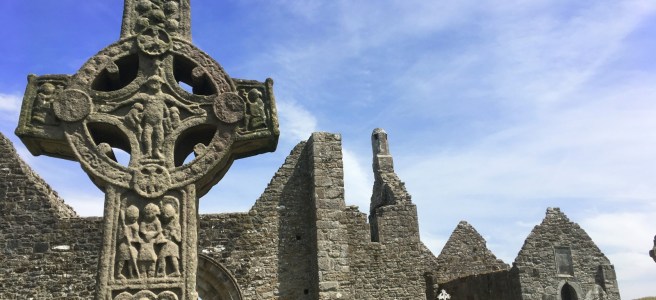
When people refer to the “Clonmacnoise Cross,” they usually mean the Cross of the Scriptures, the most celebrated of Clonmacnoise’s high crosses. Standing at nearly 13 feet tall, this sandstone masterpiece dates back to the early 10th century. Its carvings tell biblical stories in a way that monks and laypeople alike could understand a kind of medieval “illustrated Bible” in stone.

Unlike simpler grave markers, Celtic High Crosses like those at Clonmacnoise served a higher purpose. They were both teaching tools and public displays of faith. The Cross of the Scriptures depicts scenes such as:

  • The Crucifixion of Christ
  • The Last Judgment
  • The Arrest of Christ
  • Other Gospel-inspired images

These carvings brought Scripture to life for a largely illiterate population, reinforcing the teachings of the monastery. To stand before the cross even today is to witness Ireland’s history carved into stone.


What is the Most Famous Celtic Cross?

Ireland is dotted with hundreds of Celtic High Crosses, but the Cross of the Scriptures at Clonmacnoise is widely considered one of the most famous. Historians often cite it as the finest example of early medieval stonework. Its detailed panels and iconic ringed cross shape are so influential that countless replicas have been made across Ireland and beyond.

In fact, when you think of the classic Celtic Cross shape, a tall cross with a circle connecting its arms, you’re picturing the style perfected at Clonmacnoise.

The fame of the site is enhanced by its location: perched on the River Shannon, Clonmacnoise was a hub of religion, trade, and scholarship for over a thousand years. Kings and nobles sought burial here, making the crosses not just symbols of faith but also monuments of status and memory.


What is the Significance of Clonmacnoise?

Clonmacnoise is far more than a collection of ruins; it is one of Ireland’s most historically and spiritually significant sites. Founded in the mid-6th century by St. Ciarán of Clonmacnoise, the monastery quickly became one of the great centers of learning and religion in early Christian Ireland.

For centuries, Clonmacnoise was a crossroads where faith, culture, and politics met:

  • A Monastic University: Scholars from across Europe studied here, copying manuscripts, producing metalwork, and creating illuminated texts.
  • A Royal Burial Site: Kings of Tara and Connacht were buried here, giving it immense political prestige.
  • An Artistic Beacon: The site’s round towers, churches, and Celtic crosses influenced architecture and art throughout Ireland.

Today, Clonmacnoise remains one of the most visited heritage sites in Ireland. Its crumbling churches, round towers, and Celtic crosses stand as a testament to Ireland’s early Christian Golden Age.


What Saint is Associated with Clonmacnoise?

The saint most closely associated with Clonmacnoise is St. Ciarán (Ciarán mac an tSaeir). Born around 516 AD in County Roscommon, he was the son of a carpenter and trained under St. Finnian at Clonard before founding his own monastery at Clonmacnoise.

Although St. Ciarán died at a young age, likely around 33, his influence was profound. His monastery thrived long after his death, becoming one of Ireland’s most enduring centers of Christian learning. Today, pilgrims still come to Clonmacnoise to honor his memory.


The Three Great Crosses of Clonmacnoise

While the Cross of the Scriptures is the most famous, Clonmacnoise boasts three monumental high crosses, each with its own story:

1. The Cross of the Scriptures

  • Dates: 10th century
  • Material: Sandstone
  • Features: Carved biblical panels, inscriptions mentioning kings and abbots
  • Significance: Considered the finest surviving high cross in Ireland

2. The North Cross

  • Dates: Likely 8th or 9th century
  • Features: One of the earliest examples of a ringed cross in Ireland
  • Style: Heavily influenced by metalwork, with interlacing designs and abstract patterns
  • Condition: Only the shaft survives, but its carvings show an evolution in cross design

3. The South Cross

  • Dates: 9th century
  • Features: Sometimes called the “Cross of Patrick and Columba”
  • Design: Bold, abstract carvings rather than detailed figural scenes
  • Significance: Symbolically connects Ireland’s two most famous saints, St. Patrick and St. Columba

Together, these crosses show the progression of Irish stone carving from simple abstract designs to fully realized biblical storytelling.


Celtic Cross Symbolism at Clonmacnoise

The Celtic Cross itself is rich with symbolism. Its circle, connecting the arms of the cross, is said to represent eternity, the sun, or the unity of heaven and earth. At Clonmacnoise, the crosses combine Christian faith with older Celtic motifs, creating a uniquely Irish form of devotion.

This fusion of cultures is why the Celtic Cross remains one of the most enduring symbols of Ireland today. It speaks not only to faith but also to heritage and identity.


Clonmacnoise in the Modern World

Visiting Clonmacnoise today feels like stepping back in time. The crosses stand weathered but proud, protected by replicas placed outdoors, while the originals are preserved in a visitor center. Pilgrims and tourists alike are drawn to the site’s quiet majesty, often leaving with a deeper appreciation of Ireland’s spiritual and artistic past.

And yet, the crosses’ influence continues far beyond the monastery walls. From Irish cemeteries to jewelry designs, the Celtic Cross remains a beloved emblem.


From Stone to Jewelry: The Cross of the Scriptures Necklace

At The Irish Jewelry Company, the Cross of the Scriptures Necklace captures the timeless beauty of Clonmacnoise’s most famous high cross in miniature form. Crafted with intricate detail, this piece allows you to carry a part of Ireland’s sacred history with you.

Just as the monks carved biblical stories into stone, modern jewelers translate those same designs into precious metals, creating wearable reminders of faith, heritage, and artistry. For many, owning such a necklace is not only about beauty but also about a spiritual connection to Ireland’s past.


FAQs About Clonmacnoise and Its Crosses

What is the Clonmacnoise Cross?

The Clonmacnoise Cross, also known as the Cross of the Scriptures, is a 10th-century high cross covered in biblical carvings. It stands as one of the most famous Celtic Crosses in Ireland.

What is the most famous Celtic Cross?

The Cross of the Scriptures at Clonmacnoise is widely considered the most famous and finest surviving Celtic High Cross.

What is the significance of Clonmacnoise?

Clonmacnoise was a major center of religion, learning, and politics in medieval Ireland, known for its monastery, royal burials, and artistic achievements.

What saint is associated with Clonmacnoise?

Clonmacnoise was founded by St. Ciarán, who is venerated as its patron and spiritual father.


Conclusion: The Enduring Legacy of Clonmacnoise

The Celtic Crosses of Clonmacnoise are more than ancient stone monuments; they are timeless symbols of Ireland’s faith, artistry, and cultural identity. From the Cross of the Scriptures to the simpler South and North Crosses, they embody a unique blend of Christian devotion and Celtic creativity.

To stand before them is to step into a story that spans over a thousand years. And today, thanks to modern artisans, you don’t need to travel to County Offaly to bring that story home. The Cross of the Scriptures Necklace allows you to wear a piece of Ireland’s sacred history close to your heart, carrying forward the legacy of Clonmacnoise into the present day.

Christmas in Ireland: A Story of Irish Christmas Tradition

Christmas in Ireland

Christmas in Ireland is more than a holiday; it’s a heartfelt blend of faith, folklore, food, music, and cherished traditions passed down for generations. While Ireland celebrates the season with many similarities to the rest of the world, the country adds its own unique customs that reflect its culture and history. From placing a lighted candle in the window on Christmas Eve to the much-loved Late Late Toy Show, Christmas in Ireland tells a story of family, faith, and festivity.

In this guide, we’ll explore what makes an Irish Christmas so special, covering traditional decorations, food, music, shopping, and the holiday period itself. Whether you’re planning a trip to Ireland during December or simply want to embrace Irish heritage at home, this story will immerse you in the spirit of Christmas in Ireland.


Irish traditions at Christmas

Irish traditions at Christmas are deeply rooted in both Christian devotion and local folklore. The holiday season is marked not only by church services and family gatherings but also by small customs that symbolize hospitality, generosity, and community.

Irish Christmas Decorations

Decorating the home for Christmas in Ireland traditionally begins in early December. Families hang wreaths on their doors, string lights along their homes, and bring in fresh holly and ivy plants associated with ancient Celtic winter traditions. Holly, with its red berries, was thought to provide shelter for the good spirits, and in Irish folklore, it was also believed to ward off misfortune.

The Christmas tree became popular in Ireland during the 19th century, influenced by European customs. Today, streets in Dublin, Galway, and Cork are illuminated with dazzling Christmas lights, making city centers magical destinations during the holiday season.

Santa Claus in Irish

Santa Claus, known in Irish as Daidí na Nollag (Father of Christmas), is fondly called “Santy” across the Republic of Ireland and Northern Ireland. Children hang stockings on Christmas Eve, eagerly awaiting gifts delivered by Santy. In many Irish households, families leave out a mince pie and a glass of Guinness (instead of milk) for Santy, along with a carrot for his reindeer. This playful adaptation reflects the Irish sense of humor and hospitality.

Christmas Candle

One of the most symbolic traditions of Christmas in Ireland is placing a lighted candle in the window on Christmas Eve. This custom, which dates back centuries, is said to welcome Mary and Joseph as they searched for shelter before the birth of Christ. It also serves as a sign of hospitality, showing that the family is offering warmth and light to travelers or strangers.

In earlier centuries, only the youngest daughter of the household could light the candle, which would then burn through the night. Today, many Irish families continue this practice, honoring their faith and heritage with this small but meaningful gesture.

The Christmas Swim

On Christmas morning, thousands of brave souls across Ireland take part in the Christmas Swim, diving into the icy waters of the Atlantic or Irish Sea. Popular spots include the Forty Foot in Dublin, Salthill in Galway, and Sandycove in Cork. While the swim might seem daunting, it’s a charitable event, with participants often raising funds for local causes. This tradition brings communities together, showcasing Irish endurance and festive spirit.

Irish Christmas traditional dinner

Food plays a central role in Christmas in Ireland. The traditional Irish Christmas dinner typically includes roast turkey or goose, ham, stuffing, roast potatoes, Brussels sprouts, and gravy. For dessert, Christmas pudding (a rich fruitcake soaked in whiskey or brandy) is served, often set aflame before being enjoyed with cream or custard. Mince pies and rich fruitcake are staples throughout the season.

Another beloved treat is the Christmas cake, decorated with icing and marzipan, usually prepared weeks in advance. Whiskey or stout is often added during baking, reflecting Ireland’s love of hearty flavors. Sharing food and drink is central to Christmas in Ireland, with every meal becoming an expression of family and community.

December 26th, After Christmas Day

The day after Christmas in Ireland is known as St. Stephen’s Day (December 26). Traditionally, it was marked by the custom of the wren boys, groups of children who dressed in straw costumes, carried a caged wren, and went door-to-door singing songs in exchange for money or food. The money collected was used for a community feast called the “wren party.”

Although the practice of hunting wrens has faded, modern “Wren Day” festivals still occur in parts of Kerry and other regions, celebrating with music, parades, and traditional dress.

Homecoming

Christmas in Ireland is synonymous with homecoming. Adult children traditionally return home on Christmas Eve, and for many Irish emigrants, the holiday is the most important time to reconnect with family. In the past, Irish immigrants to the U.S. or the U.K. would send gifts or money home, often referred to as the “American letter.” This tradition reflects both the sacrifices of emigration and the enduring ties of family.


Christmas shopping in Ireland

In the mid-20th century, the biggest Christmas shopping day in Ireland was December 8th, the Feast of the Immaculate Conception. On this day, schools closed, and families from rural areas traveled to cities to shop for gifts, decorations, and holiday supplies. Stores like Clerys in Dublin famously offered train ticket refunds for customers who spent over £5, cementing the day’s importance.

Though the tradition has waned due to online shopping and the rise of Black Friday, December 8th remains a nostalgic reminder of Irish Christmas shopping. Today, markets such as the Galway Christmas Market and Dublin’s George’s Street Arcade attract both locals and tourists looking for handcrafted gifts.


Holiday celebration period

Traditionally, the Irish holiday season lasted from Christmas Day until January 6th (Little Christmas or Nollaig na mBan). January 6th is known as Women’s Christmas, a day when women rested after weeks of preparing holiday meals and festivities. This marked the official close of Christmas in Ireland.

Homes kept decorations up until this date, following the belief that removing them early brought bad luck. Even today, many families in Ireland continue to observe this extended festive season.


Christmas over the Irish media

The Irish love of storytelling, humor, and music shines during Christmas in Ireland through television, radio, and festive songs.

The Late Late Toy Show

Perhaps the most beloved Irish media tradition is The Late Late Toy Show, an annual edition of RTÉ’s Late Late Show that airs at the end of November. Children demonstrate toys, perform skits, and enjoy surprises, while families across Ireland gather to watch. The Toy Show marks the unofficial start of the holiday season and is fondly remembered by generations of Irish children.

Irish Radio

Radio traditions also play a huge part in Christmas in Ireland. Joe Duffy’s walk down Grafton Street in Dublin, broadcast on RTÉ Radio 1 each Christmas Eve, has become iconic. Similarly, Dave Fanning’s “Fanning’s Fab 50” music countdown on RTÉ 2fm has long been a festive favorite.

Since 2008, Christmas FM has become a staple, playing Christmas songs 24/7 throughout December. Its charitable fundraising efforts make it a uniquely Irish addition to the season.

Irish Christmas music

Music fills the air during Christmas in Ireland. From local choirs singing carols on cobblestone streets to modern classics, songs shape the atmosphere of the holiday. Fairytale of New York by The Pogues is considered Ireland’s unofficial Christmas anthem. Other popular tunes include “Happy Xmas (War is Over)” and traditional carols like “O Come All Ye Faithful” sung in Irish (Adeste Fideles).

Music brings both nostalgia and joy, creating a festive soundtrack for Christmas in Ireland.


Conclusion

Christmas in Ireland is a celebration of old and new, a blend of religious devotion, cultural tradition, and joyful festivity. From lighting candles in windows to watching the Toy Show and braving the Christmas Swim, every custom tells a story of resilience, faith, and family.

Whether you’re walking along Dublin’s twinkling Grafton Street, enjoying Christmas pudding by the fire, or listening to the familiar strains of Irish carols, one thing is certain: Christmas in Ireland is not just a holiday. It is a living tradition, carried with warmth and pride into each generation.

Puca – The Shape-Shifting Spirit of Celtic Folklore

Puca – The Shape-Shifting Spirit of Celtic Folklore

The Puca, sometimes spelled púcapookapuck, or pwca, is one of the most fascinating and mysterious creatures in Celtic mythology. Known for its ability to shape-shift, this mischievous yet sometimes helpful spirit has roamed the hills, coasts, and forests of Ireland, the British Isles, and even the Channel Islands for centuries.

The Puca can be a bringer of blessings or chaos, depending on its mood. In one story, it’s a friendly guide offering safe passage. In another, it’s a terrifying phantom that whisks you away on a midnight ride. Whether feared or revered, the Puca remains a cornerstone of Irish and British folklore, and its legacy continues to inspire storytellers, artists, and festival-goers today.


Origins of the Puca and Its Many Names

The name “púca” comes from the Irish word meaning “spirit” or “ghost.” Over time, this folkloric being has been known by many names:

  • Pooka – Common in English-language Irish folklore
  • Puck – Known from English tradition, famously immortalized by Shakespeare in A Midsummer Night’s Dream
  • Pwca – A Welsh variation
  • Pouque – Used in the Channel Islands
  • Puca – The modern anglicized spelling

Despite the variations, all these names describe a supernatural entity that blurs the line between benevolence and malevolence.


The Nature and Powers of the Puca

Puca powers are the heart of its legend. Known as one of the most versatile shape-shifters in Celtic mythology, the Puca can take many forms—some alluring, others terrifying. Its transformations include:

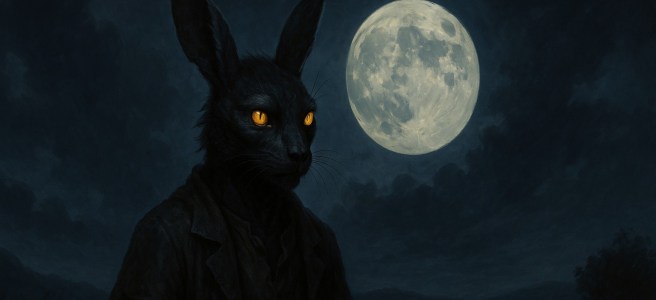
  • Púca rabbit – A sleek black or white hare that appears suddenly on moonlit roads.
  • Púca cat – A mysterious feline with burning eyes, sometimes as large as a panther.
  • Puca man – A tall figure with animal ears or glowing eyes, blending human and beast.
  • Puca goblin – Mischievous, small, and quick, playing pranks on travelers.
  • Horses, goats, dogs, and even birds.

In most tales, the Puca is nocturnal, appearing after twilight to either help or hinder those it encounters.


The Puca’s Appearance and Color

Descriptions of the Puca vary by region and storyteller. Sometimes it’s an inky black creature with glowing yellow eyes; in other traditions, it appears in brilliant white. These Puca colors often symbolize its nature at the time, white for benevolence, black for trickery or danger.

Its most common features include:

  • Glossy, dark, or white fur or hair
  • Long, sharp ears
  • Gleaming, intelligent eyes
  • A mysterious, almost magnetic presence

When in Puca man form, it’s often said to wear ragged clothes and possess an unsettling, otherworldly beauty.


The Dual Nature of the Puca – Good Fortune and Mischief

What makes the Puca so intriguing is its unpredictable nature. Unlike purely evil spirits or benevolent fairies, the Puca embodies both light and dark qualities.

Helpful Puca Tales

  • Guiding lost travelers home at night
  • Warning farmers of coming storms
  • Blessing crops with abundant harvests
  • Offering wisdom or cryptic advice

Mischievous or Malevolent Puca Tales

  • Taking riders on wild midnight journeys through dangerous terrain
  • Leading people astray into bogs or cliffs
  • Frightening livestock or spoiling milk
  • Playing tricks that leave humans shaken but unharmed

This balance of traits mirrors the natural world, beautiful and bountiful, yet unpredictable and dangerous.


Folklore and Harvest Time – The Puca’s Seasonal Connection

In many Irish traditions, the Puca is linked to Samhain (Halloween) and the harvest season. It was believed that after the crops were harvested, the Puca would roam the fields at night, blessing or cursing the remaining produce. Farmers often left a portion of the harvest, known as the “Puca’s share,” to appease it.

Even today, the Púca Festival in Ireland celebrates this folklore with music, storytelling, and costumed performances honoring the spirit’s wild nature.


Puca in Literature and Pop Culture

The Puca has left its hoofprints (and pawprints) across centuries of literature and art.

  • In Shakespeare’s Puck, the trickster fairy from A Midsummer Night’s Dream, we see echoes of the Irish Puca.
  • In modern fantasy, the Puca often appears as a shape-shifting guide or antagonist.
  • Local legends still inspire children’s stories, Halloween events, and even video games.

Its adaptability as a myth mirrors its shape-shifting powers—it can fit into any era’s storytelling.


Regional Variations of the Puca

Different areas have unique interpretations of the Puca:

  • Irish Puca – Both feared and respected; often associated with wild, rural places.
  • Welsh Pwca – More of a household spirit, offering blessings in exchange for respect.
  • English Puck – More playful and theatrical, a bringer of mild chaos.
  • Channel Islands Pouque – A reclusive spirit living in remote landscapes.

Puca Pronunciation and Language Notes

In Irish, Púca pronunciation is roughly “POO-ka.” In Welsh, “Pwca” is pronounced “POO-ka” as well. The English “Puck” shortens and alters the sound, but all trace back to similar linguistic roots meaning “spirit” or “ghost.”


People Also Ask – Puca FAQs

What is an Irish Puca?

An Irish Puca is a supernatural shape-shifter from Celtic folklore, capable of bringing good or bad fortune depending on its mood and form.

What is the meaning of Puca?

The word “Puca” comes from the Irish for “spirit” or “ghost,” symbolizing a mystical being with unpredictable behavior.

Is a Puca a fairy?

Yes, in many traditions, the Puca is considered part of the fairy realm, though it’s wilder and less predictable than most household fairies.

What does a Púca look like?

Puca may appear as a black or white horse, goat, hare, cat, goblin, or even a human with animal traits. Its Puca color often hints at its intentions.

Get in Touch

At The Irish Jewelry Company, we love sharing the rich stories, myths, and traditions of Ireland, from the Puca of Celtic folklore to the symbols you can wear every day. If you have questions about Irish mythology, want to share your own Puca stories, or are looking for unique Celtic jewelry inspired by Ireland’s legends, we’d love to hear from you.

Follow us on Social Media:

Whether you’re captivated by the mysterious Puca or simply want to connect with Irish heritage, we’re here to help you find the perfect piece of jewelry or the perfect story to tell.