Irish Harvest Festival: Michaelmas & Celtic Autumn Feasts

The arrival of autumn in Ireland has always been more than just a change in season; it marks a time of abundance, gratitude, and preparation for the long, dark winter ahead. In ancient times, the Irish harvest was celebrated through festivals that combined Celtic fall traditions with later Christian observances like Michaelmas. These gatherings were filled with feasts, storytelling, rituals, and symbolic practices that blended the mystical with the practical. Today, echoes of these celebrations remain in Irish culture, offering a glimpse into a way of life deeply tied to the land and its cycles.


The Meaning of the Irish Harvest

The Irish harvest was central to survival. Grains, vegetables, and fruits gathered during autumn determined whether a family or community would thrive through the winter. Traditionally, harvest time began after Lughnasadh in August and extended through September, culminating in feasts such as Michaelmas at the end of the month.

The harvest wasn’t just about food; it symbolized balance. It was a time to honor the Celtic fall traditions that celebrated the bounty of the earth, while also acknowledging the waning light as days grew shorter. Fields were cleared, animals were slaughtered for meat, and thanks were given to gods, saints, and spirits alike.


Michaelmas – The Feast of St. Michael

Christian and Celtic Blending

Michaelmas, held on September 29, honored St. Michael the Archangel, the protector against evil and the harvester of souls. When Christianity spread through Ireland, this feast merged with older Celtic harvest rituals. It marked the turning point of the farming year when debts were settled, workers were paid, and contracts renewed.

Michaelmas Goose and Other Foods

One of the most famous Michaelmas traditions in Ireland was the eating of the Michaelmas goose. Families who could afford it would roast a fattened goose, often served with apples and potatoes. Goose fat was also said to protect against illness during the cold months ahead.
Other staples included:

  • Colcannon (mashed potatoes with cabbage or kale)
  • Barmbrack (fruit bread linked with divination)
  • Apples from the autumn harvest
  • Blackberries, which folklore warned should not be picked after Michaelmas, as the devil was said to spit on them.

Folklore and Superstitions of Michaelmas

  • Protecting Health: Eating goose on Michaelmas was believed to ensure good health for the coming year.
  • Weather Predictions: Farmers watched Michaelmas weather closely, believing it forecasted winter conditions.
  • Blackberry Superstition: A widely held Irish belief held that after Michaelmas, blackberries were spoiled because the devil had cursed them.

Celtic Fall Traditions and Festivals

Long before St. Michael, the Irish honored the harvest with their own rituals. Celtic fall traditions reflected the sacred connection between the natural world and the divine.

Lughnasadh’s Influence

Though primarily celebrated in August, Lughnasadh set the stage for the harvest season. It was dedicated to Lugh, the god of skill and craftsmanship, and featured first-fruit offerings, athletic games, and matchmaking. By Michaelmas, these celebrations shifted to a more solemn recognition of the waning sun and the need for preservation.

Samhain Approaches

Michaelmas was not the end of harvest festivals; it was a bridge to Samhain in late October, when the last of the crops were gathered, and the Celtic new year began. Samhain carried a more spiritual and supernatural weight, while Michaelmas focused on the practical balance of food, contracts, and protection.


Rituals and Customs of the Irish Harvest

The Irish harvest wasn’t only about food and feasts. Customs carried deep symbolic meaning:

  • The Last Sheaf: Farmers often saved the last sheaf of wheat as a charm for good luck. Sometimes it was woven into a Corn Dolly, representing fertility and protection.
  • Bonfires: Leftover from pagan traditions, fires were lit to honor the sun’s power as it faded.
  • Divination Games: Young people used harvest foods like apples and barmbrack to predict their future, especially in matters of love and marriage.
  • Offerings of Thanks: Small gifts of grain or bread were left at sacred wells and stones to appease spirits and ensure blessings.

Michaelmas in Irish History

During medieval times, Michaelmas was one of the “quarter days” when rents were due, servants were hired, and fairs were held. It wasn’t only a religious feast but an economic and social anchor point. Entire villages came together for fairs featuring music, horse trading, storytelling, and dancing.

These fairs carried on traditions from Celtic gatherings like the Aonach, where clans met to celebrate, settle disputes, and arrange marriages. By blending Christian rituals with older Celtic customs, Michaelmas became a truly Irish hybrid celebration.


Symbols of Michaelmas and Celtic Autumn

The Goose

A symbol of protection, sustenance, and foresight.

Blackberries and Apples

Linked to fertility, temptation, and divine blessings.

The Sheaf or Corn Dolly

Representative of the harvest spirit and carried forward into the next planting season.

St. Michael the Archangel

Protector and warrior, blending Christian ideals with Celtic warrior traditions.


How Irish Harvest Traditions Live On Today

While the large-scale harvest feasts of old are no longer central to Irish life, many customs endure:

  • Families still bake barmbrack around late September and October.
  • Irish festivals in towns and villages honor local harvests with food fairs.
  • Michaelmas remains a date of cultural memory, often tied to agricultural events.
  • Folklore, such as the “devil spoiling blackberries,” is still retold in rural areas.

Even in modern celebrations like the National Ploughing Championships, echoes of ancient Celtic fall traditions remain in Ireland’s connection to the land and its cycles.


Celtic Jewelry Inspired by Autumn Festivals

Harvest rituals often included wearing or gifting symbolic jewelry. Celtic knots, sheaves of wheat, and protective talismans were linked to abundance and protection. Today, jewelry inspired by Celtic fall traditions continues to carry these meanings.

Pieces like the Celtic Knot Jewelry serve as modern reminders of ancient cycles of life, death, and renewal. Just as harvests ensured survival, jewelry celebrates endurance and continuity in Irish heritage.


Conclusion

The Irish harvest season, with Michaelmas at its center, reflects Ireland’s ability to weave together the practical and the mystical. From Celtic fall traditions rooted in the land to Christian overlays honoring saints, the autumn feasts of Ireland highlight gratitude, community, and resilience.

Today, these customs endure in folklore, food, and symbolic practices, reminding us to pause, give thanks, and honor both the abundance and impermanence of life. Whether through baking barmbrack, enjoying a Michaelmas goose, or wearing Celtic jewelry with harvest symbolism, these traditions keep Ireland’s rich cultural heritage alive.

Irish Halloween Traditions From Samhain to Today

Over 2,000 years ago, long before pumpkins, candy, and store-bought costumes, the Celtic festival of Samhain marked the end of the harvest and the beginning of winter in Ireland. Many of the Irish Halloween traditions we recognize today, from wearing masks to trick-or-treating can be traced back to this ancient fire festival. In fact, modern Halloween as celebrated worldwide, owes much of its origin to the Celtic festivals of Ireland and Scotland.

In this article, we’ll explore how Samhain gave birth to today’s Halloween, dive into six key traditions that originated in Ireland, and show how these customs still live on—sometimes in surprising ways.


The Celtic Roots of Halloween

Halloween is often thought of as an American holiday, but its roots are deeply Irish. The Celts celebrated Samhain (pronounced SOW-in), one of the four great fire festivals along with Imbolc, Bealtaine, and Lughnasa. Samhain, held from October 31 to November 1, marked the turning of the year, when the light half ended, and the dark half began.

The Celts believed that at this liminal moment, the veil between worlds grew thin. Spirits of ancestors returned to visit their families, while trickster fae and malevolent beings roamed freely. To protect themselves and honor the dead, people lit bonfires, wore disguises, and made offerings of food and drink.

This mixture of reverence, fear, and celebration created the foundations of what we know today as Halloween.


Six Halloween Traditions That Come from Ireland’s Samhain Festival

1. Fabric Masks – Disguising from Spirits

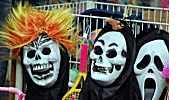
During Samhain, the Irish wore simple fabric masks and costumes made from animal skins or tattered cloth. These disguises weren’t about fun, they were about survival. The belief was that if wandering spirits could not recognize you as human, they would leave you unharmed.

This custom later evolved into the medieval practice of “guising” in Ireland and Scotland, where children and adults would dress up and perform songs or rhymes for food. By the time Halloween crossed the Atlantic with Irish immigrants in the 19th century, guising had transformed into what Americans now call trick-or-treating.

Even today, the act of dressing up at Halloween pays homage to those first Celts who wrapped themselves in cloth and hides to outwit supernatural forces.


2. Lanterns – From Turnips to Pumpkins

Long before carved pumpkins lined porches, the Irish hollowed out turnips, beets, or mangelwurzels to create protective lanterns. These grimacing faces, often illuminated with embers from Samhain bonfires, were designed to ward off evil spirits.

This tradition ties closely to the legend of Stingy Jack, a mischievous man doomed to wander the night with only a carved turnip lantern. When Irish immigrants arrived in America, they discovered the pumpkin to be a larger, easier-to-carve alternative. Thus, the jack-o’-lantern was born, but its soul remains thoroughly Irish.

Lantern-making reflects both the Celtic need for protection and the creativity of ordinary people using whatever materials the earth provided.


3. Jewelery of the Earth – Amulets for Protection

One lesser-known Samhain custom was the use of “jewelery of the earth” charms and natural talismans worn for protection. The Celts believed that stones, shells, and carved bones held magical energy. Wearing them during Samhain offered defense against wandering fae or spirits that might bring mischief.

For example, jet, amber, and bone amulets were popular. Even simple knots carved into wood became powerful symbols. This tradition survives in Ireland today in the wearing of Celtic jewelry, Trinity Knots, Claddaghs, and Celtic crosses, each carrying protective or spiritual meaning.

At The Irish Jewelry Company, you’ll find many designs that echo these ancient protective charms, keeping alive the Celtic festivals’ link between adornment and spirituality.


4. Bairín Breac – Fortune Telling in a Loaf

Halloween in Ireland would not be complete without Bairín Breac, a sweet, yeasted fruit bread often baked with hidden tokens inside. Each item carried a meaning:

  • A ring signified marriage within the year.
  • A coin foretold wealth.
  • A pea or a stick could mean poverty or discord.

Families would slice the loaf at Halloween gatherings, turning the humble bread into a form of fortune-telling. The tradition of Bairín Breac remains popular in Ireland today, showing how food, festivity, and prophecy all came together during Samhain.


5. Protecting from Tricksters – Warding Off Mischief

The Irish believed that on Samhain night, both human and otherworldly tricksters roamed the land. To ward them off, people would leave out offerings of food and drink. This appeased the faeries and spirits, ensuring they passed by peacefully instead of causing harm.

Households also relied on protective charms, iron keys, salt, or even carved symbols above doorways to keep tricksters at bay. Over time, this transformed into the custom of children playing pranks on Halloween, echoing the spirit of mischievous beings once feared in Celtic Ireland.

Today’s Halloween mischief, from egging houses to spooky games, can be traced directly back to the Irish Halloween traditions of protecting against trickery during Samhain.


6. Trick or Treating – Ancient Customs, Modern Fun

The practice of trick-or-treating is one of Halloween’s most beloved customs, and its roots stretch back to Ireland. During Samhain, children and the poor would go door to door singing songs or reciting prayers for the dead in exchange for food. This was known as “souling.”

By the Middle Ages, this evolved into “guising,” where costumed visitors performed tricks for small offerings. When Irish immigrants brought these customs to America, they blended into the tradition of children saying “trick or treat!”

What was once a ritual to honor ancestors has become a playful tradition, but it remains one of the clearest examples of how Celtic festivals shaped the modern Halloween we know today.


Other Irish Halloween Traditions and Folklore

Divination and Games

Beyond Bairín Breac, Samhain nights were filled with fortune-telling games. Apples floated in tubs of water, and young people would try to bite them to see who would marry first. Hazelnuts were roasted in the fire to predict love matches, with each nut named for a potential sweetheart.

Bonfires and Community

Massive bonfires lit the Irish countryside during Samhain, symbolizing purification and protection. Villagers would light torches from the communal fire to rekindle their home hearths, tying the community together.

Honoring the Dead

Families left out an empty chair or plate of food to welcome deceased relatives. This blend of fear and reverence is still visible in the way we think of Halloween as both spooky and sacred.


The Spread of Irish Halloween Traditions Worldwide

When millions of Irish emigrated to America in the 19th century, they carried their Samhain traditions with them. In the United States, these customs mingled with other cultures, evolving into modern Halloween. The jack-o’-lantern, trick-or-treating, and costume parties all owe their existence to these Irish roots.

Today, Halloween is a global holiday, but Ireland remains its spiritual home. Villages like Athboy and Derry now host Celtic festivals every October, re-enacting the lighting of ancient bonfires and celebrating Samhain as their ancestors once did.


Irish Halloween Jewelry – A Modern Connection to Samhain

Jewelry has always been more than decoration in Irish tradition—it’s a link to protection, identity, and heritage. The “jewelery of the earth” worn during Samhain has evolved into modern Celtic pieces that still carry meaning.

  • Trinity Knots symbolize eternity and spiritual protection.
  • Claddagh Rings represent love, loyalty, and friendship.
  • Celtic Crosses echo the blending of pagan and Christian symbolism.

By wearing these designs during Halloween, you connect with the Irish Halloween traditions of warding off spirits and honoring heritage. Explore collections at The Irish Jewelry Company to find meaningful pieces that carry forward the protective spirit of Samhain.


Conclusion – From Samhain Fires to Trick-or-Treat Streets

Halloween may now be a worldwide celebration of costumes, candy, and spooky fun, but its beating heart lies in Ireland’s Samhain festival. From fabric masks and lanterns to Bairín Breac and trick-or-treating, so many of the traditions we hold dear come directly from the Celts, who honored the turning of the year with fire, food, and folklore.

By remembering these origins, we don’t just enjoy Halloween; we honor thousands of years of heritage. Whether you light a jack-o’-lantern, put on a mask, or share a slice of fruit loaf, you’re taking part in rituals that began in the Irish countryside long ago.


FAQ – People Also Ask

Q: What are the origins of Halloween in Ireland?
A: Halloween originated from the Celtic festival of Samhain, celebrated in Ireland over 2,000 years ago. It marked the end of harvest and the start of winter, when spirits were believed to walk among the living.

Q: What Irish Halloween traditions still exist today?
A: Customs such as carving lanterns, dressing in costumes, baking Bairín Breac, and trick-or-treating all come from ancient Samhain practices.

Q: How did Samhain become Halloween?
A: Samhain merged with Christian All Hallows’ Eve in the Middle Ages. Irish immigrants later carried these traditions to America, where they evolved into modern Halloween.

Q: What food is eaten at Halloween in Ireland?
A: The traditional food is Bairín Breac, a fruit loaf baked with hidden charms for fortune-telling. Colcannon, made from potatoes and cabbage, is also popular.

The Mystical World of Celtic Witches: Origins, Traditions, and Halloween Magic

As Halloween approaches, the fascination with witchesmagic, and the supernatural intensifies. This time of year is perfect for delving into the intriguing world of Celtic witches and the origins of witchcraft. Rooted in ancient traditions, Celtic witchcraft is an enchanting blend of folklore, spirituality, and rituals that have captivated minds for centuries. This article explores the origins of witchcraft, the role of Celtic witches in history, and how their traditions have influenced modern Halloween celebrations. If you seek to embrace Celtic magic this Halloween, discover how you can incorporate authentic Celtic-inspired jewelry and charms into your festivities.

The Origins of Witchcraft: A Journey Through History

Witchcraft has a history stretching back to ancient times, with practices that have evolved and adapted across cultures. The origins of witchcraft can be traced to prehistoric animism, where people believed that natural objects and elements possessed spiritual essence. As civilization progressed, magic and witchcraft were integral parts of early societies, often associated with healing, nature worship, and spiritual guidance.

In the Celtic world, witchcraft was not perceived as evil but rather as a means of connecting with the divine, nature, and the otherworld. The Celts believed in an interconnected world where magic played a role in daily life, offering protection, wisdom, and insight.

Who Were the Celtic Witches?

Celtic witches, often referred to as “wise women” or “healers,” played a significant role in ancient Celtic society. They were highly respected for their knowledge of herbs, healing practices, and mystical rituals. These women, and sometimes men, acted as spiritual leaders, offering guidance and performing ceremonies to honor the natural cycles of life. Unlike the modern stereotype of the “wicked witch,” Celtic witches were viewed as wise individuals who used their skills for the benefit of the community.

The Druids, considered spiritual leaders in Celtic culture, were also closely associated with magic and witchcraft. As practitioners of ancient rituals, they conducted sacred ceremonies, communicated with the spirits, and upheld traditions that would influence European pagan practices for centuries.

Celtic Witchcraft Traditions and Practices

Celtic witchcraft, deeply rooted in the reverence for nature and the spirits, involves various practices and traditions that have stood the test of time. Some of the key elements of Celtic witchcraft include:

  1. Nature Reverence: Celtic witches believed in the power of nature and sought harmony with the natural world. They worshipped the earth, trees, rivers, and other natural entities, seeing them as sacred.
  2. Seasonal Celebrations: The Celts celebrated the cycles of nature with festivals known as “Sabbats.” Samhain, celebrated on October 31st, marks the Celtic New Year and is considered one of the most important Sabbats. It is believed that on Samhain, the veil between the physical world and the spirit world is at its thinnest, allowing for communication with the dead.
  3. Magic and Divination: Rituals involving magic, divination, and communication with spirits were integral to Celtic witchcraft. Using tools like ogham sticks, runes, and crystal stones, Celtic witches sought guidance and insights from the otherworld.
  4. Herbalism and Healing: Herbalism was a central practice, with Celtic witches using herbs for medicinal purposes, charms, and potions. Mugwort, rowan, and hawthorn were among the herbs frequently used for protection and divination.
  5. Ancestor Worship: Honoring the ancestors was an important practice, especially during Samhain. Rituals included leaving food offerings and lighting candles to guide the spirits of deceased loved ones back to the realm of the living.

Samhain: The Origin of Halloween

Samhain, the ancient Celtic festival, is often considered the origin of modern Halloween. The word “Samhain” (pronounced “sow-in”) translates to “summer’s end,” marking the conclusion of the harvest season and the beginning of winter. The Celts believed that during this time, the boundaries between the physical world and the spirit world were blurred, allowing spirits to visit the living.

Samhain traditions included lighting bonfires to ward off evil spirits, wearing costumes to disguise oneself from mischievous spirits, and making offerings to appease the wandering souls. Many of these traditions have been carried into modern Halloween celebrations, such as trick-or-treating and wearing costumes.

The Influence of Celtic Witchcraft on Modern Wicca

Celtic witchcraft has left a lasting impact on contemporary spiritual practices, particularly modern Wicca. Many Wiccan traditions have integrated elements of Celtic rituals, seasonal celebrations, and nature reverence. Wiccans honor the Celtic Sabbats, including Samhain, and incorporate Celtic symbols and deities into their magical practices. The connection between modern witchcraft and ancient Celtic traditions continues to shape the spiritual landscape, blending the past with the present.

Citations:

For the origins of witchcraft, Ronald Hutton’s The Witch: A History of Fear (2017) and Owen Davies’ Grimoires (2009) provide key insights. The role of witches in Celtic society is detailed by Barry Cunliffe in The Ancient Celts (1997) and Miranda Green’s The World of the Druids (1997). Celtic traditions and seasonal celebrations are explored in James Frazer’s The Golden Bough (1922) and John MacCulloch’s The Religion of the Ancient Celts (1911). The connection between Samhain and Halloween is covered by Jack Santino’s Halloween and Other Festivals of Death and Life (1994) and Fergus Kelly’s Early Irish Farming (1997). Finally, the influence of Celtic witchcraft on modern spirituality is discussed in Chas Clifton’s Her Hidden Children (2006) and Ethan Doyle White’s Wicca (2016).

IRISH HALLOWEEN TRADITIONS and Samhain History

Kierand LLC's avatarThe Irish Jewelry Company's Blog

Samhain greeting card

The Celts celebrated Halloween as Samhain, ‘All Hallowtide’ – the ‘Feast of the Dead’, when the dead revisited the mortal world. The celebration marked the end of Summer and the start of the Winter months.

During the eighth century the Catholic Church designated the first day of November as ‘All Saints Day’ (‘All Hallows’) – a day of commemoration for those Saints that did not have a specific day of remembrance. The night before was known as ‘All Hallows Eve’ which, over time, became known as Halloween.
Here are the most notable Irish Halloween Traditions:

Colcannon for Dinner:
Boiled Potato, Curly Kale (a cabbage) and raw Onions are provided as the traditional Irish Halloween dinner. Clean coins are wrapped in baking paper and placed in the potato for children to find and keep.

The Barnbrack Cake:
The traditional Halloween cake in Ireland is the barnbrack which is a fruit bread…

View original post 727 more words

The Celtic Owl

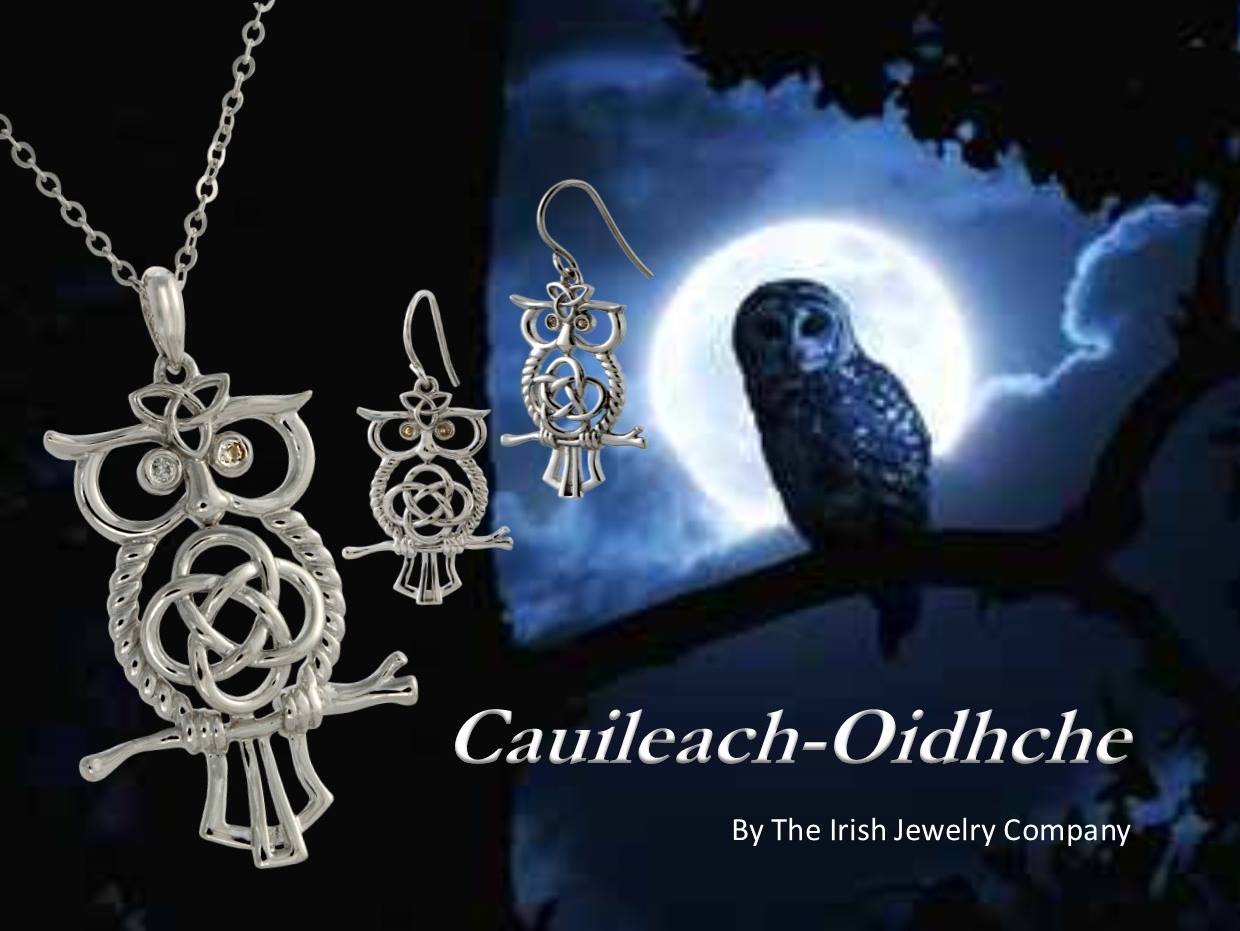
The word “cailleach” in the Scottish-Gaelic means old woman!, Owl in Gaelic is “cauileach-oidhche”  , believe it or not it means “night-cockerel” or “white old woman of the night.”  Because the owl was most often associated with the Crone aspect of the Celtic Hag Goddess “Cailleach”. The owl is often a guide to and through the Underworld, a creature of keen sight in darkness, and a silent and swift hunter. Celtic folklore says the wise owl can give you wisdom by helping unmask those who would deceive you or take advantage of you. “Hoo” knew?

10484355_10154724438325245_2732810094630407123_o

The Origins of Samhain and Its Traditions

Halloween originated with an ancient Celtic festival called Samhain (pronounced Sah-ween or Sow-in). The Celtic New Year began on November 1. On the last day of the Celtic year, October 31, the Celts believed that ghosts roamed the world that night, causing harm to crops and creating mischief. So on October 31, the Celts dressed in scary costumes, parading around the village in the hopes of scaring away the mischievous spirits.

When Christianity arrived in Ireland, the church named November 1 as All Saints Day to honor saints and martyrs in an attempt replace or over shadow Samhain. Trick-or-treating originated from an All Souls Day tradition. People walked from village to village begging for “soul cakes.” In exchange for the “soul cakes,” a prayer would be said for the giver of the bread. The more bread they gave away the more people they had praying for their souls. In the 1500s, All Saint’s Day becomes All Hallows’ Day, and Samhain had become known as All Hallows’ Evening. Then eventually Hallow Evening became Halloween.

Irish Halloween Folklore….. Have you ever heard of a pooka?

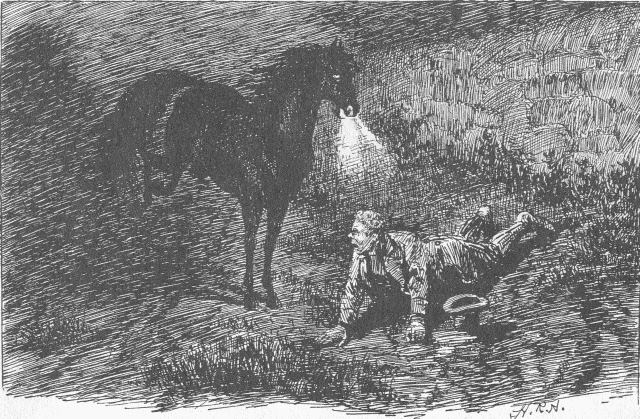
The “Pooka” or in Irish púca (Irish for spirit/ghost), is primarily a goblin like creature in traditional Irish folklore. The pooka is considered to be both a bringer of good and bad fortune. The pooka could 994613_10153357225920245_1508916101_neither help or hinder rural and mariner communities. The goblin like creatures were said to be shape shifters which could take the appearance of black horses, goats and rabbits.

Celtic Autumn Equinox

September 23rd, the Autumn Equinox. To Celts – this is the Second Harvest, when the ripe Acorns fall from the wild Irish Oaks and we plant them in fertile soil. This wonderful time is the time when day and night are equal in length. Equinox meaning “equal night”.knowth-ireland

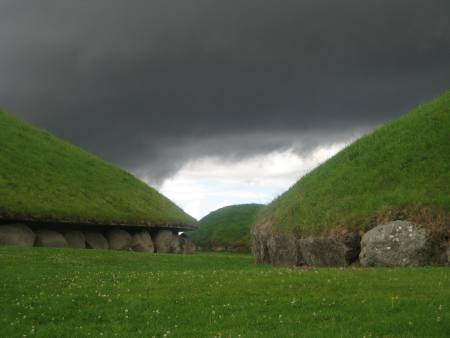
In Ireland there is an ancient Irish equinox temple at Knowth, near Newgrange (Brú na Boinne). Knowth has a 100-foot long passage that only is light by the Sun on the morning of the Spring and Autumn Equinox.

The Irish Banshee

The Banshee,  bean-sidhe (woman of the fairy may be an ancestral spirit appointed to forewarn members of certain ancient Irish families of their time of death. According to tradition, the banshee can only cry for five major Irish families: the O’Neills, the O’Briens, the O’Connors, the O’Gradys and the Kavanaghs. Intermarriage has since extended this select list.220px-Banshee
Whatever her origins, the banshee chiefly appears in one of three guises: a young woman, a stately matron or a raddled old hag. These represent the triple aspects of the Celtic goddess of war and death, namely Badhbh, Macha and Mor-Rioghain.) She usually wears either a grey, hooded cloak or the winding sheet or grave robe of the unshriven dead. She may also appear as a washer-woman, and is seen apparently washing the blood stained clothes of those who are about to die. In this guise she is known as the bean-nighe (washing woman).
Although not always seen, her mourning call is heard, usually at night when someone is about to die.