The Italian Jewelry Company Launches: A New Destination for Authentic Italian Jewelry

FOR IMMEDIATE RELEASE

The creators of the trusted brand The Irish Jewelry Company are proud to announce the launch of their sister brand, The Italian Jewelry Company. Specializing in exquisite Italian jewelry, this new brand offers a collection of timeless designs that celebrate Italy’s rich heritage and craftsmanship.

A New Chapter in Jewelry Excellence

The Italian Jewelry Company’s mission is to bring the elegance and artistry of Italy’s most cherished jewelry traditions to a global audience. Featuring a curated selection of handcrafted pieces, from iconic Cornicello charms to religious medals, the collection embodies the best of Italian craftsmanship.

“We are thrilled to launch The Italian Jewelry Company and share Italy’s rich jewelry-making tradition with the world,” says Jennifer Derrig, founder of both brands. “Just as we’ve built trust with The Irish Jewelry Company, we’re committed to delivering authentic, high-quality jewelry that customers can cherish for a lifetime.”

Craftsmanship Rooted in Tradition

At the heart of The Italian Jewelry Company is a commitment to quality and authenticity. Each piece is meticulously crafted using only the finest materials, including sterling silver, gold, and vibrant enamel accents. Many pieces are made in Italy by master artisans, ensuring that every design reflects true Italian craftsmanship.

Some of the standout pieces in the collection include:

  • Cornicello Charms: Traditional Italian good luck charms believed to ward off the evil eye.
  • Religious Medals: These include iconic designs like the Ave Maria Miraculous Medal and other devotional pieces that reflect Italy’s deep Catholic heritage.
  • Gold Filigree Jewelry: Intricate designs showcasing the delicate artistry of Italian goldsmiths.

Why Choose The Italian Jewelry Company?

As a sister brand to the highly regarded The Irish Jewelry Company, The Italian Jewelry Company carries forward a legacy of trust, quality, and customer satisfaction. The brand is dedicated to providing a wide range of jewelry that speaks to the elegance and tradition of Italian culture, while also offering modern, stylish designs suitable for any occasion.

Whether you are searching for a meaningful gift or a personal keepsake, The Italian Jewelry Company’s collection offers something for everyone, with designs that blend traditional craftsmanship with contemporary appeal.

About The Italian Jewelry Company

The Italian Jewelry Company is dedicated to celebrating Italy’s rich jewelry-making heritage. From religious medals to modern charms, each piece is carefully crafted to honor Italian artistry and culture. Whether you’re looking for a statement piece or an everyday accessory, The Italian Jewelry Company offers jewelry that resonates with both personal meaning and timeless beauty.

For more information and to explore the full collection, visit https://www.theitalianjewelrycompany.com/.

Contact:

Jennifer Derrig
Founder, The Italian Jewelry Company
Email: info@theitalianjewelrycompany.com

The Mystical World of Celtic Witches: Origins, Traditions, and Halloween Magic

As Halloween approaches, the fascination with witchesmagic, and the supernatural intensifies. This time of year is perfect for delving into the intriguing world of Celtic witches and the origins of witchcraft. Rooted in ancient traditions, Celtic witchcraft is an enchanting blend of folklore, spirituality, and rituals that have captivated minds for centuries. This article explores the origins of witchcraft, the role of Celtic witches in history, and how their traditions have influenced modern Halloween celebrations. If you seek to embrace Celtic magic this Halloween, discover how you can incorporate authentic Celtic-inspired jewelry and charms into your festivities.

The Origins of Witchcraft: A Journey Through History

Witchcraft has a history stretching back to ancient times, with practices that have evolved and adapted across cultures. The origins of witchcraft can be traced to prehistoric animism, where people believed that natural objects and elements possessed spiritual essence. As civilization progressed, magic and witchcraft were integral parts of early societies, often associated with healing, nature worship, and spiritual guidance.

In the Celtic world, witchcraft was not perceived as evil but rather as a means of connecting with the divine, nature, and the otherworld. The Celts believed in an interconnected world where magic played a role in daily life, offering protection, wisdom, and insight.

Who Were the Celtic Witches?

Celtic witches, often referred to as “wise women” or “healers,” played a significant role in ancient Celtic society. They were highly respected for their knowledge of herbs, healing practices, and mystical rituals. These women, and sometimes men, acted as spiritual leaders, offering guidance and performing ceremonies to honor the natural cycles of life. Unlike the modern stereotype of the “wicked witch,” Celtic witches were viewed as wise individuals who used their skills for the benefit of the community.

The Druids, considered spiritual leaders in Celtic culture, were also closely associated with magic and witchcraft. As practitioners of ancient rituals, they conducted sacred ceremonies, communicated with the spirits, and upheld traditions that would influence European pagan practices for centuries.

Celtic Witchcraft Traditions and Practices

Celtic witchcraft, deeply rooted in the reverence for nature and the spirits, involves various practices and traditions that have stood the test of time. Some of the key elements of Celtic witchcraft include:

  1. Nature Reverence: Celtic witches believed in the power of nature and sought harmony with the natural world. They worshipped the earth, trees, rivers, and other natural entities, seeing them as sacred.
  2. Seasonal Celebrations: The Celts celebrated the cycles of nature with festivals known as “Sabbats.” Samhain, celebrated on October 31st, marks the Celtic New Year and is considered one of the most important Sabbats. It is believed that on Samhain, the veil between the physical world and the spirit world is at its thinnest, allowing for communication with the dead.
  3. Magic and Divination: Rituals involving magic, divination, and communication with spirits were integral to Celtic witchcraft. Using tools like ogham sticks, runes, and crystal stones, Celtic witches sought guidance and insights from the otherworld.
  4. Herbalism and Healing: Herbalism was a central practice, with Celtic witches using herbs for medicinal purposes, charms, and potions. Mugwort, rowan, and hawthorn were among the herbs frequently used for protection and divination.
  5. Ancestor Worship: Honoring the ancestors was an important practice, especially during Samhain. Rituals included leaving food offerings and lighting candles to guide the spirits of deceased loved ones back to the realm of the living.

Samhain: The Origin of Halloween

Samhain, the ancient Celtic festival, is often considered the origin of modern Halloween. The word “Samhain” (pronounced “sow-in”) translates to “summer’s end,” marking the conclusion of the harvest season and the beginning of winter. The Celts believed that during this time, the boundaries between the physical world and the spirit world were blurred, allowing spirits to visit the living.

Samhain traditions included lighting bonfires to ward off evil spirits, wearing costumes to disguise oneself from mischievous spirits, and making offerings to appease the wandering souls. Many of these traditions have been carried into modern Halloween celebrations, such as trick-or-treating and wearing costumes.

The Influence of Celtic Witchcraft on Modern Wicca

Celtic witchcraft has left a lasting impact on contemporary spiritual practices, particularly modern Wicca. Many Wiccan traditions have integrated elements of Celtic rituals, seasonal celebrations, and nature reverence. Wiccans honor the Celtic Sabbats, including Samhain, and incorporate Celtic symbols and deities into their magical practices. The connection between modern witchcraft and ancient Celtic traditions continues to shape the spiritual landscape, blending the past with the present.

Citations:

For the origins of witchcraft, Ronald Hutton’s The Witch: A History of Fear (2017) and Owen Davies’ Grimoires (2009) provide key insights. The role of witches in Celtic society is detailed by Barry Cunliffe in The Ancient Celts (1997) and Miranda Green’s The World of the Druids (1997). Celtic traditions and seasonal celebrations are explored in James Frazer’s The Golden Bough (1922) and John MacCulloch’s The Religion of the Ancient Celts (1911). The connection between Samhain and Halloween is covered by Jack Santino’s Halloween and Other Festivals of Death and Life (1994) and Fergus Kelly’s Early Irish Farming (1997). Finally, the influence of Celtic witchcraft on modern spirituality is discussed in Chas Clifton’s Her Hidden Children (2006) and Ethan Doyle White’s Wicca (2016).

Before Halloween There Was The Ancient Festival of Samhain

Long before Halloween’s jack-o-lanterns and trick-or-treating, the Celts celebrated Samhain (pronounced “Sow-in”), an ancient festival marking the end of the harvest and the beginning of winter. Celebrated from sunset on October 31 to sunset on November 1, Samhain is a time when the veil between the physical world and the spirit world was believed to be at its thinnest, allowing spirits—both good and evil—to cross into the realm of the living. This period was seen as one of transformation, endings, and the anticipation of a new year.

Origins of Samhain in Ireland

Samhain’s roots stretch back over 2,000 years to the ancient Celtic peoples of Ireland, Scotland, and the Isle of Man. For the Celts, the year was divided into two primary seasons: the light (summer) and the dark (winter). Samhain marked the end of the light half and the start of the dark, which was associated with death, dormancy, and the thinning of the veil between the living and the dead.

This festival was not just a time of spiritual reflection, but a practical preparation for the coming winter. Cattle and livestock were brought in from the fields to be kept in closer quarters during the cold months. Crops were harvested, and any food not stored was offered to spirits. Bonfires were lit on hilltops across Ireland to ward off evil spirits and provide warmth, symbolizing the sun’s last effort to preserve light through the winter darkness.

Traditionally, Samhain was also a time of divination. Druids and shamans would attempt to foresee the future by interpreting omens from the natural world, particularly in regard to harvest and community health. Many people would carve turnips and light them with candles to represent the spirits of their ancestors or keep malevolent spirits at bay. These carved turnips are the precursor to the modern pumpkin jack-o-lantern.

Samhain and Halloween

The Christian Church, in an effort to integrate Celtic customs into its own calendar, established All Saints’ Day on November 1st in the 9th century, followed by All Souls’ Day on November 2nd. These dates were meant to honor the saints and the dead, echoing the themes of Samhain. As Christian influence spread, many of the original Samhain customs evolved into Halloween traditions. However, in rural parts of Ireland, Samhain remained distinct from Halloween well into the 20th century.

Modern celebrations of Samhain in Ireland include Oíche Shamhna, which refers to Halloween night when many people continue to light bonfires and celebrate the changing of seasons. While contemporary celebrations may be more playful, the festival still carries a spiritual and historical resonance with Irish culture.

Samhain in Celtic Mythology

In Celtic mythology, Samhain was closely associated with Celtic deities of the Otherworld and the afterlife, particularly those connected with death and rebirth. The god Dagda, one of the most important figures in Irish mythology, was believed to have used his powers to control life and death during this sacred time. Samhain was also linked to the goddess Morrigan, often depicted as a raven or crow, who was associated with war, fate, and death.

It was during Samhain that many mythological events were said to take place. According to legend, Tara, the seat of the High Kings of Ireland, would open its gates, and the gods would cross into the human world during Samhain. Heroes and figures of Irish lore like Cú Chulainn and Fionn mac Cumhaill often had their fates intertwined with events happening during Samhain, reinforcing the importance of this night in storytelling and myth.

Jewelry with Mystical Meaning

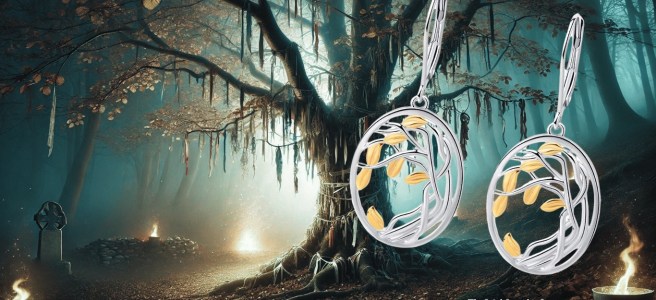
The mystical qualities of Samhain remind us of the ancient Celtic belief in the power of nature, the supernatural, and the afterlife. To connect with the magical essence of this season, consider embracing the spirit of Samhain with a symbolic piece of jewelry, such as the Wishing Tree Necklace. Wishing trees are a deeply rooted tradition in Celtic culture, symbolizing hope, wishes for the future, and a connection to the divine forces that shape our world. Just as ancient Celts left offerings on sacred trees, the Wishing Tree Necklace serves as a modern emblem of these spiritual connections.

Citations and Links:

  1. History of Samhain in Ireland: Learn more about the origins of Samhain from the History Channel.
  2. Celtic Mythology and Samhain: Explore the mythology behind Samhain at World History Encyclopedia.
  3. Ancient Celtic Festivals: For more in-depth information on Celtic festivals, visit Britannica.
  4. Samhain and Halloween: Understand the connection between Samhain and Halloween at National Geographic.
  5. Modern Celebrations of Samhain: Discover how Samhain is celebrated today at Irish Central.

Discover Fall Celtic Traditions: Holidays, Festivals, and Favorite Meals to Warm Your Soul

As the golden hues of fall descend upon Ireland, Scotland, and Celtic regions, a rich tapestry of traditions, holidays, and festive meals come alive. Celtic culture celebrates the changing seasons with an appreciation for nature, community, and heritage. Let’s explore some beloved fall Celtic traditions, cherished holidays, favorite meals, and festivals that make this time of year so special.

1. The Autumn Equinox (Mabon)

The Autumn Equinox, known as Mabon in modern Celtic Paganism, marks the balance between light and dark as the season shifts into fall. It’s a time for reflecting on the year’s harvest and giving thanks. In Celtic traditions, the Autumn Equinox was celebrated with feasts, music, and communal gatherings.

Read more: Celebrating the Autumn Equinox: Traditions, Meaning, and Folklore in Ireland

2. Samhain – The Celtic New Year

Samhain, celebrated from October 31st to November 1st, is the ancient festival that marks the end of the harvest season and the beginning of winter. It’s considered the most important of the four Celtic festivals and a time when the boundary between the physical world and the spirit world is thin. Traditionally, Celts lit bonfires, held feasts, and shared stories of their ancestors.

Samhain also influenced modern Halloween. Rituals such as carving turnips (now pumpkins) and leaving out food for wandering spirits were central to Samhain festivities.

Fun Fact: The Celts believed that Samhain was a time when the deceased could walk among the living!

3. The Festival of St. Michael – Michaelmas

Michaelmas, or the Feast of St. Michael, is celebrated on September 29th. Traditionally observed in Ireland and Scotland, this festival honors the archangel Michael, marking the end of the harvest. Historically, it was a time to enjoy large feasts, with roast goose being a popular meal.

Popular Michaelmas Dishes:

  • Roast Goose with Stuffing
  • Colcannon (a traditional Irish potato dish)
  • Apple and Blackberry Pie

4. Harvest Festivals

Ireland’s Harvest Festivals are vibrant community gatherings that give thanks for the season’s bounty. These festivals often feature local foods, music, and dancing, celebrating the connection between land, food, and community.

Some of the most beloved harvest festivals include:

  • The Lisdoonvarna Matchmaking Festival (late September): A centuries-old tradition where locals and visitors gather in County Clare for a month of music, dance, and matchmaking!
  • The Galway Oyster Festival (late September): One of the world’s most famous oyster festivals where seafood lovers come together to enjoy Ireland’s coastal bounty.

Read more: Galway Oyster Festival Official Website

5. Traditional Fall Celtic Meals

Meals during Celtic fall celebrations were a vital part of the festivity, often centered around local produce and meats. Popular dishes include:

  • Boxty: A traditional Irish potato pancake, perfect for warming up as the weather cools.
  • Irish Stew: This hearty dish, made from lamb, potatoes, and root vegetables, was a common meal for Samhain.
  • Barmbrack: A fruit bread was traditionally eaten at Samhain, often hiding charms inside to predict the future for those who found them.

Recipe for Irish Stew: Traditional Irish Stew Recipe

6. Celtic Music and Dance in Fall Celebrations

No fall Celtic festival is complete without lively traditional music and dance. Festivals like Puck Fair and Dingle Food Festival feature local Irish bands, bagpipes, and ceilidh dancing. Ceilidhs (traditional Gaelic social gatherings) are particularly popular during harvest time, bringing communities together to dance and celebrate.


Conclusion: Embrace the Celtic Spirit This Fall

Whether you’re celebrating the Autumn Equinox, attending a harvest festival, or preparing a Samhain feast, the Celtic spirit invites you to honor the changing season and the connection to nature, community, and ancestry.

Don’t forget to commemorate these traditions with a beautiful piece of Celtic jewelry! Shop our collection of Irish and Celtic-inspired jewelry to mark the season’s magic.

Celebrating the Autumn Equinox: Traditions, Meaning, and Folklore in Ireland

As the summer days wane and the crispness of fall settles in, the Autumn Equinox emerges as a pivotal moment in the annual calendar. Known as Cónocht an fhómhair in Gaelic, this celestial event marks a time of balance and transformation, deeply rooted in both ancient traditions and modern practices. In this blog post, we’ll explore the significance of the Autumn Equinox, its origins, and its rich tapestry of folklore in Ireland, while also adhering to Google’s E-A-T (Expertise, Authoritativeness, and Trustworthiness) requirements.

Understanding the Autumn Equinox

The Autumn Equinox occurs around September 22nd or 23rd in the Northern Hemisphere when the sun crosses the celestial equator from north to south. This event results in nearly equal lengths of day and night, symbolizing a perfect balance between light and darkness. The equinox heralds the beginning of fall, a season characterized by harvests, changing leaves, and a shift in energy from the vibrant warmth of summer to the cool introspection of winter.

Historical Origins and Significance

Historically, the Autumn Equinox has been celebrated in various cultures around the world. In ancient times, it was a crucial period for agricultural societies as they reaped the benefits of their summer labor. The equinox was seen as a time to give thanks for the harvest and prepare for the coming winter months.

In Ireland, the Autumn Equinox has particular significance due to its alignment with ancient traditions and folklore. The Celts, who celebrated the changing of the seasons with their own set of rituals, saw the equinox as a time of reflection and renewal.

Autumn Equinox in Ireland: Traditions and Folklore

1. Ancient Festivals and Rituals

In ancient Ireland, the Autumn Equinox was celebrated with various festivals marking the end of the harvest season. One notable festival was Mabon, a celebration of the second harvest. This time was dedicated to giving thanks for the bounty of nature and preparing for the winter months. The rituals often included feasting, music, and storytelling, highlighting the deep connection between the people and the land.

2. Stone Circles and Megalithic Sites

Ireland’s landscape is dotted with ancient megalithic sites that align with celestial events. The Newgrange tomb, a prehistoric monument built around 3200 BC, is famously aligned with the winter solstice. However, other sites, such as Loughcrew Cairns, also align with equinoxes and solstices, indicating the importance of these astronomical events to the ancient Irish.

3. Folk Tales and Legends

Irish folklore is rich with stories that connect the Autumn Equinox to the natural world. One popular legend is that of Cúchulainn, a hero from Irish mythology who was said to have drawn his strength from the changing seasons. The equinox was believed to be a time when the veil between the human world and the Otherworld thinned, allowing for greater communication with the spirits.

4. Seasonal Foods and Customs

Autumn in Ireland brings with it a bounty of seasonal foods, including apples, squashes, and root vegetables. Traditional dishes such as Colcannon (a mix of potatoes and cabbage) and Apple Crumble are often enjoyed during this time, reflecting the harvest’s bounty. Families may also gather for meals that celebrate the changing season, reinforcing the connection between food, family, and tradition.

Modern Celebrations and Reflections

Today, the Autumn Equinox is celebrated in various ways across Ireland and beyond. From local festivals to personal rituals, people take this time to reflect on the balance in their lives and to prepare for the coming months. Modern celebrations often include gatherings that emphasize gratitude, community, and personal growth.

Conclusion

The Autumn Equinox, or Cónocht an fhómhair, remains a significant cultural and spiritual marker in Ireland. Its deep roots in history, coupled with vibrant folklore and modern traditions, make it a time of balance and reflection. Whether through ancient rituals, seasonal foods, or contemporary celebrations, the Autumn Equinox continues to be a cherished part of Irish heritage.

Banshee Mythology: What Is a Banshee and the Legends Behind the Haunting Cry

In the rich tapestry of Irish folklore, few figures are as enigmatic and spine-chilling as the Banshee. Often depicted as a wailing woman, the Banshee’s cry is said to foretell the death of a loved one, sending shivers down the spines of those who hear it. But what is a Banshee, and what is the true meaning behind this legendary figure? Let’s explore the origins, significance, and modern interpretations of Banshee mythology.

What Is a Banshee?

The word “Banshee” originates from the Irish term “bean sídhe,” which translates to “woman of the fairy mound” or “fairy woman.” In Irish mythology, the Banshee is a female spirit or fairy that is believed to be a harbinger of death. When a Banshee’s mournful cry is heard, it is said to signal the imminent passing of someone within the family or community. This eerie wail, known as the “caoine,” is often described as a haunting lament, filled with sorrow and despair.

The Origins of Banshee Mythology

Banshee mythology is deeply rooted in Ireland’s ancient past, with its origins tracing back to the early Celtic belief in the “Otherworld.” The Celts believed in a supernatural realm inhabited by deities, spirits, and fairies. The Banshee, as a member of the “sídhe” or fairy folk, was thought to be a messenger from this Otherworld.

Legend has it that the Banshee’s role as a death omen evolved from the tradition of keening, a form of vocal lamentation performed by women at funerals. In ancient times, these keeners were often paid to wail and cry over the deceased, mourning their loss. The Banshee’s cry is said to echo this tradition, but with a supernatural twist — her lament is not for the dead, but for those who are about to die.

Banshee Appearances and Characteristics

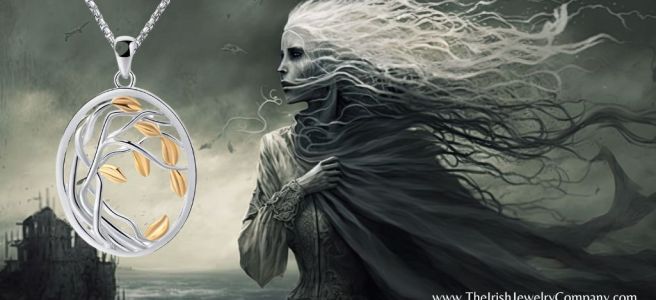
The appearance of a Banshee varies across different legends and regions of Ireland. In some stories, she is portrayed as a beautiful young woman with long, flowing hair, dressed in a white or silver gown. In others, she appears as an old hag with ragged clothing, her face twisted with grief. Despite these variations, the Banshee is consistently depicted as a solitary figure, mourning the impending death of someone connected to her.

One of the most famous descriptions of a Banshee comes from the tale of the O’Brien family, who were said to have a Banshee attached to their lineage. According to the legend, this Banshee would appear before the death of a family member, dressed in white and combing her hair with a silver comb. This imagery has become a common motif in Banshee mythology, symbolizing the connection between the Banshee and the family she watches over.

The Significance of the Banshee in Irish Culture

The Banshee’s role as a harbinger of death has made her a figure of fear and reverence in Irish culture. Her cry is not only a warning but also a reminder of the inevitability of death. However, the Banshee is not necessarily malevolent. In many stories, she is portrayed as a compassionate figure, mourning the loss of life rather than celebrating it. Her sorrowful wail is a reflection of the deep connection she feels to the family she is bound to.

In some regions of Ireland, it was believed that only certain families, particularly those of noble lineage, had Banshees. These families, known as the “O’Briens,” “O’Connors,” “O’Neills,” and “O’Gradys,” were thought to be protected by the Banshee, who would appear to warn them of impending doom.

Modern Interpretations and the Banshee Today

In contemporary culture, the Banshee has become a symbol of Irish heritage and mythology. Her image has been adapted into various forms of media, from literature and film to music and art. Despite these modern interpretations, the core elements of Banshee mythology the mournful cry, the connection to death, and the eerie presence remain intact.

For those interested in exploring their Irish roots, the Banshee offers a fascinating glimpse into the rich tapestry of Irish folklore. Whether viewed as a figure of fear or a symbol of compassion, the Banshee continues to captivate and intrigue those who hear her story.

Embracing Irish Heritage with Banshee-Inspired Jewelry

At The Irish Jewelry Company, we celebrate the rich cultural heritage of Ireland through our unique and meaningful jewelry designs. Whether you’re drawn to the mystical allure of the Banshee or other iconic symbols of Irish folklore, our collection offers a wide range of pieces that connect you to the stories of old.

Explore our selection of Celtic jewelry, Claddagh rings, and more to find a piece that resonates with your heritage. Each item is crafted with care, ensuring that you carry a piece of Ireland’s history and mythology with you wherever you go.

The Hands Holding Heart is a Timeless Symbol of Love and Friendship

The iconic image of hands holding a heart has captured the imaginations and hearts of people for centuries. This powerful symbol is most famously represented by the Claddagh ring, a piece of jewelry steeped in rich history and tradition. At The Irish Jewelry Company, we celebrate this enduring symbol through our exquisite collection of Claddagh jewelry, each piece crafted with the utmost care and attention to detail.

The Origins of the Hands Holding Heart Symbol

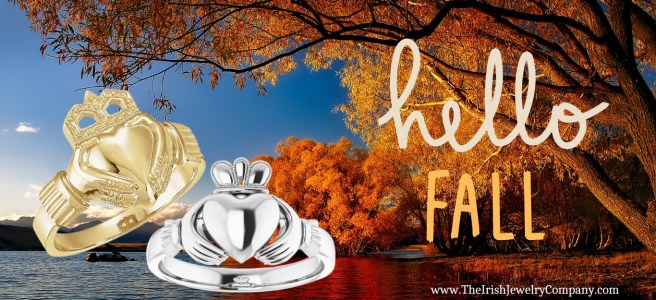
The Claddagh ring, featuring two hands clasping a heart topped with a crown, originates from the small fishing village of Claddagh, located near Galway, Ireland. This symbol, deeply rooted in Irish heritage, represents the virtues of love, friendship, and loyalty. The hands signify friendship, the heart stands for love, and the crown symbolizes loyalty.

The legend of the Claddagh ring dates back to the 17th century, with the most popular tale involving Richard Joyce, a young man from Galway. Captured by pirates and sold into slavery, Joyce was forced to work as a goldsmith. Over time, he created the first Claddagh ring as a token of love for his sweetheart back home. Upon his release, Joyce returned to Galway and presented the ring to his beloved, solidifying the Claddagh as a symbol of enduring love.

The Meaning Behind Hands Holding Heart in Claddagh Jewelry

When you wear a Claddagh ring or gift one to someone special, you’re sharing a timeless message. The way the ring is worn can also convey different meanings:

  • On the right hand, with the heart facing outward: The wearer is single and open to love.
  • On the right hand, with the heart facing inward: The wearer is in a relationship.
  • On the left hand, with the heart facing inward: The wearer is married or engaged.

These variations allow the Claddagh ring to serve as more than just a beautiful piece of jewelry—it’s a statement of the wearer’s relationship status and a symbol of the bonds they hold dear.

Why Choose Claddagh Jewelry from The Irish Jewelry Company?

At The Irish Jewelry Company, we pride ourselves on offering authentic Claddagh rings and jewelry that honor this historic symbol. Our collection includes a variety of designs, from traditional gold and silver rings to modern interpretations with gemstones and intricate details. Whether you’re looking for a classic Claddagh ring or a contemporary piece that speaks to your personal style, you’ll find something perfect in our collection.

Our commitment to quality ensures that every piece of Claddagh jewelry is made with the finest materials and craftsmanship. Each ring, pendant, or bracelet is not only a beautiful accessory but also a meaningful representation of love, friendship, and loyalty.

How to Care for Your Claddagh Jewelry

To maintain the beauty and significance of your Claddagh jewelry, proper care is essential. Here are some tips to keep your pieces looking their best:

  • Regular Cleaning: Gently clean your Claddagh jewelry with a soft cloth to remove any dirt or oils. For a deeper clean, use mild soap and warm water, then dry thoroughly.
  • Avoid Harsh Chemicals: Keep your jewelry away from harsh chemicals like chlorine and bleach, which can damage the metal and gemstones.
  • Storage: Store your Claddagh jewelry in a soft pouch or jewelry box to prevent scratches and tarnishing.

Discover the Perfect Claddagh Ring at The Irish Jewelry Company

The hands holding heart symbol is more than just an image; it’s a profound expression of love, friendship, and loyalty. At The Irish Jewelry Company, we invite you to explore our collection of Claddagh jewelry and find the perfect piece that resonates with you or a loved one. Whether you’re celebrating a relationship or a friendship, or simply want to carry a piece of Irish heritage with you, our Claddagh rings and jewelry offer a timeless connection to the past, present, and future.

Visit our website today and discover the beauty and meaning behind the Claddagh ring, the ultimate symbol of hands holding heart.

Understanding and Preventing Tarnish on Your Sterling Silver Jewelry

Sterling silver is a timeless choice for jewelry lovers, admired for its stunning shine and durability. However, a common question that arises is, “Does sterling silver tarnish?” The answer is yes, but with the right care, your sterling silver pieces can maintain their beauty for years to come.

What Causes Sterling Silver to Tarnish?

Sterling silver, which is composed of 92.5% pure silver and 7.5% other metals (typically copper), is prone to tarnishing due to a natural chemical reaction. When sterling silver comes into contact with sulfur-containing compounds in the air or certain chemicals, it can develop a dark or yellowish layer on its surface. This process is called tarnishing and is a common concern for those who own sterling silver jewelry.

How to Prevent Sterling Silver from Tarnishing

While tarnishing is inevitable, there are several steps you can take to minimize it and keep your sterling silver jewelry looking its best:

  1. Store Properly: Keep your sterling silver jewelry in a cool, dry place, away from direct sunlight. Using airtight bags or anti-tarnish cloths can help reduce exposure to moisture and air, which are primary culprits in the tarnishing process.
  2. Wear Regularly: Believe it or not, wearing your sterling silver jewelry often can actually help prevent tarnish. The natural oils on your skin can act as a barrier, protecting the metal from exposure to air and moisture.
  3. Avoid Chemicals: Keep your sterling silver away from harsh chemicals such as bleach, ammonia, and chlorine. Even everyday substances like perfumes, lotions, and hair products can accelerate tarnishing.
  4. Clean Regularly: Regular cleaning is essential for maintaining the luster of your sterling silver jewelry. Use a gentle silver polish or a homemade solution of mild soap and warm water. Always dry your jewelry thoroughly with a soft cloth to prevent moisture from causing further tarnish.

How to Remove Tarnish from Sterling Silver

If your sterling silver jewelry does tarnish, don’t worry! Tarnish can be easily removed with a few simple methods:

  • Silver Polish: A high-quality silver polish is effective in removing tarnish and restoring shine. Apply a small amount to a soft cloth and gently rub the jewelry in circular motions.
  • DIY Solutions: You can also create a homemade tarnish remover using baking soda and water. Mix the two to form a paste, apply it to the tarnished area, and gently rub it with a soft cloth.
  • Professional Cleaning: For heavily tarnished pieces or delicate items, consider taking your jewelry to a professional for cleaning. They have specialized tools and products to safely restore your jewelry’s brilliance.

Sterling Silver at The Irish Jewelry Company

At The Irish Jewelry Company, we take pride in offering high-quality sterling silver jewelry that is crafted to last. Our collection includes a wide range of designs, from classic Claddagh rings to intricate Celtic knots, all made from premium sterling silver. With proper care, these pieces can remain beautiful heirlooms for generations.

Whether you’re looking to add to your collection or seeking advice on maintaining your current pieces, we’re here to help. Visit The Irish Jewelry Company to explore our stunning sterling silver jewelry and learn more about caring for your cherished items.

Understanding and Preventing Tarnish on Your Sterling Silver Jewelry

Sterling silver is a timeless choice for jewelry lovers, admired for its stunning shine and durability. However, a common question that arises is, “Does sterling silver tarnish?” The answer is yes, but with the right care, your sterling silver pieces can maintain their beauty for years to come.

What Causes Sterling Silver to Tarnish?

Sterling silver, which is composed of 92.5% pure silver and 7.5% other metals (typically copper), is prone to tarnishing due to a natural chemical reaction. When sterling silver comes into contact with sulfur-containing compounds in the air or certain chemicals, it can develop a dark or yellowish layer on its surface. This process is called tarnishing and is a common concern for those who own sterling silver jewelry.

How to Prevent Sterling Silver from Tarnishing

While tarnishing is inevitable, there are several steps you can take to minimize it and keep your sterling silver jewelry looking its best:

  1. Store Properly: Keep your sterling silver jewelry in a cool, dry place, away from direct sunlight. Using airtight bags or anti-tarnish cloths can help reduce exposure to moisture and air, which are primary culprits in the tarnishing process.
  2. Wear Regularly: Believe it or not, wearing your sterling silver jewelry often can actually help prevent tarnish. The natural oils on your skin can act as a barrier, protecting the metal from exposure to air and moisture.
  3. Avoid Chemicals: Keep your sterling silver away from harsh chemicals such as bleach, ammonia, and chlorine. Even everyday substances like perfumes, lotions, and hair products can accelerate tarnishing.
  4. Clean Regularly: Regular cleaning is essential for maintaining the luster of your sterling silver jewelry. Use a gentle silver polish or a homemade solution of mild soap and warm water. Always dry your jewelry thoroughly with a soft cloth to prevent moisture from causing further tarnish.

How to Remove Tarnish from Sterling Silver

If your sterling silver jewelry does tarnish, don’t worry! Tarnish can be easily removed with a few simple methods:

  • Silver Polish: A high-quality silver polish is effective in removing tarnish and restoring shine. Apply a small amount to a soft cloth and gently rub the jewelry in circular motions.
  • DIY Solutions: You can also create a homemade tarnish remover using baking soda and water. Mix the two to form a paste, apply it to the tarnished area, and gently rub it with a soft cloth.
  • Professional Cleaning: For heavily tarnished pieces or delicate items, consider taking your jewelry to a professional for cleaning. They have specialized tools and products to safely restore your jewelry’s brilliance.

Sterling Silver at The Irish Jewelry Company

At The Irish Jewelry Company, we take pride in offering high-quality sterling silver jewelry that is crafted to last. Our collection includes a wide range of designs, from classic Claddagh rings to intricate Celtic knots, all made from premium sterling silver. With proper care, these pieces can remain beautiful heirlooms for generations.

Whether you’re looking to add to your collection or seeking advice on maintaining your current pieces, we’re here to help. Visit The Irish Jewelry Company to explore our stunning sterling silver jewelry and learn more about caring for your cherished items.

A Comprehensive Guide to Measuring Ring Size at Home

When it comes to purchasing a new ring, especially online, knowing your ring size is crucial. Whether you’re eyeing a stunning Claddagh ring or another beautiful piece from The Irish Jewelry Company, ensuring a perfect fit is essential. This guide will walk you through the steps to figure out your ring size at home, so you can confidently select your next piece of jewelry.

1. How to Figure Out Ring Size

Figuring out your ring size may seem daunting, but it’s actually quite simple with the right tools and techniques. Here’s how to do it:

  • String or Paper Method: Wrap a piece of string or a thin strip of paper around the base of your finger. Mark where the string or paper overlaps, then measure the length with a ruler. This measurement in millimeters is the circumference of your finger. Use a ring size chart to convert this measurement into your ring size.
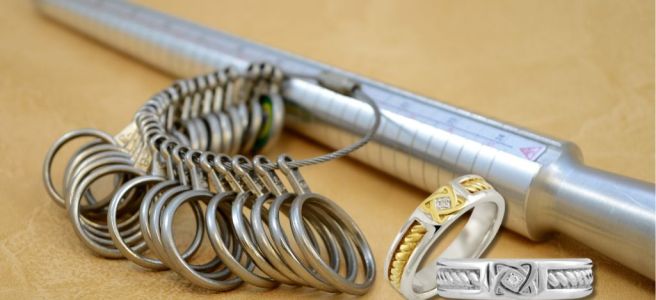
  • Ring Sizer Tool: If you prefer a more accurate measurement, consider using a ring sizer tool. These tools can be purchased online or at a jewelry store and provide a precise measurement of your finger’s circumference.
  • Compare with an Existing Ring: If you already own a ring that fits well, you can use it as a reference. Place it on a ring size chart and match the inside edge of the ring to the closest circle on the chart.

2. How to Measure Ring Size at Home

Measuring your ring size at home is convenient and easy. Here are a few methods you can try:

  • Using a Ruler and Paper: As mentioned earlier, you can use a strip of paper or string to measure the circumference of your finger. This is one of the simplest ways to measure ring size at home.
  • Downloadable Ring Size Guides: Some websites offer printable ring size guides that you can download and use at home. These guides typically include a ring size chart and instructions on how to use it. See our ring size guide.
  • Ring Size App: There are several smartphone apps available that can help you measure your ring size. These apps use your phone’s camera and screen to accurately determine your ring size.

3. How to Measure Your Ring Size Hands Holding Heart

The traditional Claddagh ring, with its hands holding a heart, is more than just a piece of jewelry—it’s a symbol of love, loyalty, and friendship. If you’re considering purchasing a Claddagh ring, it’s important to ensure it fits perfectly. Here’s how you can measure your ring size for a Claddagh ring:

  • Consider the Shape: The Claddagh ring’s unique design, featuring hands holding a heart topped with a crown, means that the ring may fit slightly differently than a plain band. When measuring your ring size, account for the design’s width and choose a size that feels comfortable.
  • Finger Sizing TipsYour fingers can change size throughout the day due to temperature and activity levels. Measure your ring size at the end of the day, when your fingers are at their largest, to ensure the best fit.
  • Professional Sizing: If you’re still unsure about your ring size, consider visiting a professional jeweler. They can measure your finger and recommend the best size for your Claddagh ring.

Why Knowing Your Ring Size Matters

Knowing your ring size is important for several reasons:

  • Comfort: A well-fitting ring is comfortable to wear and won’t slip off your finger.
  • Preservation: Rings that are too loose or too tight can become damaged over time. A proper fit helps preserve the beauty and integrity of your ring.
  • Confidence: When you know your ring size, you can shop online with confidence, knowing that your new piece of jewelry will fit perfectly.

Conclusion

Figuring out your ring size and measuring it at home is easier than you might think. Whether you’re using the string method, a ring sizer tool, or an app, you can confidently determine your size and enjoy the perfect fit for your next ring purchase. If you’re looking for a timeless piece like a Claddagh ring with its hands holding a heart, visit The Irish Jewelry Company to explore our exquisite collection.

By taking the time to measure your ring size accurately, you’ll ensure that your new ring fits beautifully and comfortably—just as it should.