Uncovering 5 Legendary Celtic Warriors: Symbols of Strength and Courage

The Celts were a group of tribes that lived in Europe over 2,000 years ago, and their warriors were some of the most legendary in history. These men and women were fierce fighters who were known for their bravery, skill, and loyalty. In this blog post, we’ll take a look at some of the most famous Celtic warriors of all time.

Boudicca

Boudicca was a queen of the Iceni tribe who lived in what is now England. She led a rebellion against the Roman Empire in 60 AD after her husband died and the Romans tried to take control of her tribe. Boudicca’s army was made up of over 100,000 warriors, and they were able to defeat several Roman legions before ultimately being defeated. Boudicca is remembered as a symbol of resistance against the Roman Empire and a symbol of Celtic pride.

Cúchulainn

Cúchulainn was a hero of Irish mythology and one of the greatest warriors in Celtic history. He was said to have incredible strength and agility, and he was able to fight off entire armies single-handedly. Cúchulainn was also known for his loyalty and his fierce determination. He is remembered as a symbol of Irish pride and strength, and his legend has inspired countless works of art and literature.

Vercingetorix

Vercingetorix was a king of the Gauls who lived in what is now France. He led a rebellion against the Roman Empire in 52 BC, and his army was able to defeat several Roman legions before being defeated. Vercingetorix is remembered as a symbol of Gaulish pride and resistance against the Roman Empire. His name has become synonymous with bravery and defiance.

Scáthach

Scáthach was a warrior queen who lived in what is now Scotland. She was known for her skill in combat and her ability to train other Celtic warriors. Scáthach’s most famous pupil was the Irish hero Cúchulainn, whom she trained in the art of combat. Scáthach is remembered as a symbol of female strength and power, and her legend has inspired countless women to take up arms and fight for what they believe in.

Fionn mac Cumhaill

Fionn mac Cumhaill was a hero of Irish mythology and one of the greatest warriors in Celtic history. He was said to have incredible strength and cunning, and he was able to outsmart his enemies in battle. Fionn was also known for his wisdom and his ability to solve problems using his intellect. He is remembered as a symbol of Irish pride and intelligence, and his legend has inspired countless works of art and literature.

Queen Maeve

Queen Maeve was a warrior queen who lived in what is now Ireland. She was known for her skill in combat and her ability to lead her armies to victory. Maeve’s most famous campaign was the Táin Bó Cúailnge, in which she led her army to steal the prized bull of a rival king. Maeve is remembered as a symbol of female power and courage, and her legend has inspired countless women to take up arms and fight for what they believe in.

Conclusion

The Celtic warriors were some of the most legendary fighters in history, and their stories have inspired countless generations. These men and women were known for their bravery, skill, and loyalty, and they fought fiercely to protect their tribes and their way of life. Today, we remember Celtic warriors as symbols of strength and resilience, and we continue to be inspired by their stories and their legacy.

Next

 The Advantages, Disadvantages, and Differences of 9 Karat Gold

Related Posts

  1. Celtic Symbols and their Meanings
  2. Origins of the Celtic Cross from Ireland
  3. Discover the Heart of Celtic Culture: What it Means to be Celtic
  4. A Guide to Celtic Ogham Symbols and Their Meanings
  5. A Journey into the Heart of Celtic Culture: A Guide for Beginners

The Advantages, Disadvantages, and Differences of 9 Karat Gold

Gold’s innate brilliance and attractiveness have made it highly desirable for collectors and investors throughout history. Because of this, many different societies have conceptualized gold as being symbolic of the sun. In more recent years, some customers have gravitated toward purchasing 9-karat gold due to the fact that it is both long-lasting and relatively inexpensive. In any case, how does it measure up to genuine gold, and should one consider buying it?

It is essential to have a thorough comprehension of gold as well as its standard of measurement before making any decisions regarding the purchase of 9-karat gold. In the following paragraphs, we will discuss what exactly 9-carat gold is, as well as whether or not it is a viable option for jewelry.

What’s the Difference Between Karat and Carat?

In the United States, the karat (K) scale is used to express the level of gold’s purity, whereas the carat (ct) scale is used to express the weight of a gemstone. Carat is a measure of purity that is used in countries such as Australia and the United Kingdom.

In the United States, the lowest karat classification that can still be considered to be gold is 10k gold. This fact is very essential to keep in mind. As 9K is smaller, it’s not considered to be gold in the US.

How Does Nine-Carat Gold Stack Up?

The term “pure gold” refers to an item that is made up entirely of gold and does not contain any other metals. Gold in its purest form is difficult to work with, carries a high price tag, and is not suitable for use in the production of jewelry. It is necessary to combine it with other metals in order to give it the strength necessary to be shaped or cut into a variety of forms.

The different karat weights of gold are determined by the quantity of metal that is combined with the gold. The purity of 9K gold is the lowest of all gold karats, which indicates that it only consists of 37.5% pure gold. The remaining proportion is composed of a variety of different metals, including silver, platinum, manganese, zinc, copper, and tin. 9K gold is the lowest of all gold karats.

Different Varieties of 9K Gold 

The various metals are combined with 9K gold to create new varieties, the most well-known of which are white, rose, and yellow golds.

  • 9K White Gold – This 9k gold contains 62.5% silver and 37.5% gold, making up the total percentage. White gold can also be made by combining 37.5% gold with either nickel, palladium, or manganese in addition to silver. This process is known as electroplating. Rhodium plating is used to bring out the whiteness of 9K white gold and give it an appearance similar to that of silver.
  • 9K Rose Gold – Copper, silver, and gold make up 42.5%, 20%, and 37.5%, respectively, of the average composition of 9K rose gold. Because it contains a significant amount of copper, it has a crimson tint or a bright pinkish-red color. Due to the low cost of copper, rose gold can sometimes be purchased at a lower cost than yellow gold or white gold which is of the same 9K purity.
  • 9K Yellow Gold – The golden color of 9K Yellow Gold is achieved by combining 37.5% gold with a variety of other metals, each of which is present in the alloy in varying proportions. The predominant yellow gold mixture contains a higher percentage of silver (roughly 54.5%), but only a modest amount of copper (roughly 6%). In comparison to greater karat metals such as 14K or 18K gold, yellow gold that is 9K has a color that is slightly less vibrant.

Why Should You Invest in 9 Karat Gold?

If you are on a tight budget and aren’t concerned about the resale worth of the gold, 9K gold is a decent option to look into. Due to the comparatively low amount of gold contained in 9K, it is priced more affordably. Additionally, it is a good option if you want jewelry for specific events but aren’t overly concerned about the fact that it doesn’t appear as golden as gold with a higher karat rating. The ability of 9K gold to withstand the wear and tear that is associated with everyday activities makes it an excellent choice for jewelry that is worn on a daily basis.

How to Take Care 9K Gold Jewelry

It is recommended that you clean your white, rose, or yellow gold that is 9 karat with mild dish detergent and warm water, and then dry it with a soft towel or brush. The following are some additional steps that should be taken on a routine basis to ensure the durability of your 9K gold:

  • As with any other piece of jewelry, you should avoid getting this one near any chemicals or perfumes, as this could result in allergic responses or permanent damage.
  • When engaging in physical activities such as gardening, house duties, athletics, or heavier labor, you should remove any 9K jewelry you are wearing. Its appearance will become less appealing as a result of the abrasives, acids, and grime.
  • When swimming in pools, you should take off any jewelry made of precious metals, including 9-karat gold, because chlorine can corrode the metal. Additionally, due to the fact that swimming can cause your fingertips to shrink, it is recommended that you take off any jewelry that you might be wearing.

Advantages of 9-karat Gold

Consider these advantages when deciding whether or not to go with 9K gold:

  • Gold with a greater carat rating is weaker than gold with a lower rating. The presence of these other metals in 9K gold makes it more resistant to wear and tear than other options.
  • Because of its higher durability, 9K gold does not readily show signs of wear and strain. This causes it to last for an extended period of time. Wedding bands and engagement rings, which are pieces of jewelry that are highly exposed due to everyday usage, are ideal candidates for this material because of its durability and its level of hardness.
  • In comparison to gold with greater karatage, 9K gold is more economically viable due to the smaller percentage of actual gold content. By doing it this way, you can achieve the appearance of gold at a fraction of the cost.

9 Karat Gold Compared to the Other Varieties of Gold

The percentage of gold it contains, its price, its quality, and its worth are what set it apart from the other gold compounds, which are described in more detail below.

  • Due to the relatively low proportion of gold, it contains (9 karat gold is less expensive than compounds with greater karatages), 9 karat gold.
  • Due to the fact that it is so much harder than the others, 9 carat gold is immune to being dented or scratched.
  • 9K gold isn’t hypoallergenic like 14K or 18K gold. The greater the karatage of the gold, the less likely it is to cause allergic reactions and the safer it is overall.
  • Gold compounds with a higher karat content appear more brilliantly golden than gold with a lower karat.

Is It Safe to Wear 9K Gold on a Daily Basis?

You certainly can because it is tough, resilient, and long-lasting. You can even take a shower while wearing 9K gold, the only disadvantage being that it will lose some of its luster as a result. You can expect 9-karat gold to last a lifetime while appearing as good as new if you maintain it properly and polish it regularly.

Why is gold which is 9 carats so popular in Ireland and Europe?

Gold with a purity of 9 carats is currently the type of gold that is most frequently used in the production of jewelry in Ireland and Europe. Because it is so long-lasting, 9-karat gold forms an excellent alloy for the production of jewelry that is both inexpensive and hard-wearing over a long period of time.


Conclusion

Gold with a purity of nine carats is extremely valuable, particularly if you care about both its cost and its longevity. On the other hand, it will not have the brilliant hue that one would associate with gold, nor will it carry the same level of distinction. Your personal inclination will ultimately determine whether or not you decide to purchase gold that is 9 carats. Gold compounds with a higher karat content appear more brilliantly golden than gold with a lower karat.

Next

 Refreshing Aquamarine Jewelry – The March Birthstone

Related Posts

  1. Summer Jewelry Care Tips
  2. Cleaning Your Sterling Silver Jewelry
  3. What Does Gold Karat Mean?
  4. A Guide to Cleaning Your Jewelry Like A Pro

Refreshing Aquamarine Jewelry – The March Birthstone

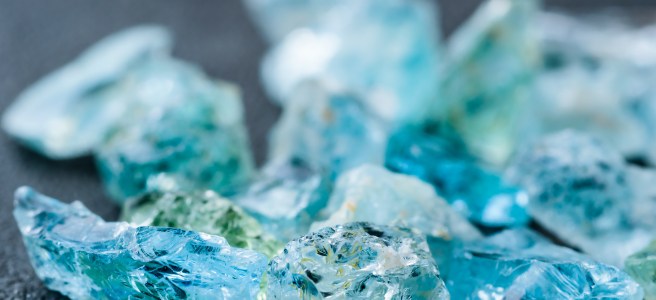
Aquamarine has come to be associated as the contemporary birthstone for the month of March. Aquamarine has been a prized stone in a variety of societies for millennia because of its pure and even blue or blue-green color, potentially large size, and sparkling clarity. Aquamarine is also known for its sparkle. Because emerald and aquamarine are both varieties of the same stone species, emerald, and aquamarine are related to one another.

Where does the name Aquamarine come from?

The color is referred to by its name, aquamarine, which is derived from the color. It is a combination of the Latin terms aqua, which means “water,” and marina, which means “of the sea.” Aqua means “water,” and marina means “of the sea.” As the name of the stone might imply, a significant portion of the folklore that is associated with it is linked to the sea in some fashion.

What anniversary year is Aquamarine associated with?

In addition to being the gemstone associated with the month of March, aquamarine is also the present of choice to honor a marriage that has endured for 19 years.

What color is the March birthstone, and what is it?

Aquamarine has been renowned throughout history for its distinctively transparent blue hue, which frequently contains hints of green. Beryl is a family of minerals that contains aquamarine. The color of the mineral species beryl, which includes aquamarine, can range from pink to green to yellow, depending on the trace elements that are contained within its crystal structure. The mineral iron is responsible for giving the aquamarine variation its distinctively vibrant blue color.

What is the value of Aquamarine?

Aquamarine, much like other colored gemstones, is appraised using a system that takes into account the combination of tint, tone, and saturation. It is impossible to produce particularly dark tones or saturation with aquamarine because of the crystal’s intrinsic lightness. The color of some of the deepest stones may be equivalent to the blue of sapphire, but in general, aquamarine has a much lighter appearance. The most desirable characteristics in a color are a tint that is either completely blue or blue with very faint undertones of green, combined with a brightness that is about medium-strong and a tone that is medium-dark.

It is common for smaller aquamarine stones to have lighter tones and saturation than larger ones. This is because the color of the March birthstone, aquamarine, is accentuated by the size of the gemstone. In order to achieve the finest and most intense blue and green colors, stones typically need to weigh a minimum of five carats. On the other hand, there are some locations, the majority of which can be found in Africa, that are responsible for the production of stones with saturation that is significantly higher than the norm. These can be of a more compact size but still have colors that are appealingly vibrant.

What Exactly Does the Word “Aquamarine” Mean?

The popularity of aquamarine dates back many centuries, and the gemstone’s resemblance to the transparent blue of the sea has led to the development of natural connotations with water and seafaring. It was believed by some people in Ancient Greek society that Poseidon, the god of the sea, was responsible for the creation of aquamarine by creating it straight from seawater. There are also tales that suggest mermaid tails are made of aquamarine, which is said to give the stone a magical quality.

The ocean-colored gem was thought to have the power to quiet hazardous waves, which would protect ships along with their crews, passengers, and goods. This belief was held by both the ancient Romans and the ancient Greeks. The precious stone is highly valued by fishermen because of its ability to bring success to their pursuit of sustenance. Because of this, the gem is a valuable symbol for people who journey by water in any capacity. Extending on this fundamental idea, it is still commonly believed that aquamarine provides its possessor with protection in general.

In the same way that aquamarine is credited with the ability to calm water, it is also credited with the ability to calm tempers and reduce the amount of conflict that occurs between individuals. Both communication and confidence are enhanced as a result of the gem’s ability to quell destructive emotions. Many people still subscribe to the theory that maintaining an aquamarine in close proximity will not only strengthen healthy marriages but also relationships of any kind. It follows that the act of donning the gem represents the depth of an individual’s dedication to their companion as well as the strength of their relationship.

Aquamarine promotes a peaceful state…

A calmer state of mind is another benefit of wearing the March birthstone. Many people believe that wearing the gem can reduce feelings of anxiousness, bring about an increase in mental lucidity, and help the body recover from the effects of previous tragedies. Aquamarine, like many other blue gemstones, is believed to have beneficial effects on one’s physical health and to increase one’s liveliness. In particular, some people believe that the stone has the ability to assist in the regulation of hormones and the thyroid gland.

AQUAMARINE BIRTHSTONE CARE & CLEANING

This March birthstone is suitable for day-to-day wear thanks to its Mohs hardness rating of 7.5–8, making it an excellent choice. It is simple to take care of the stone. Scrub the area behind the birthstone, which is prone to collecting grime, with tepid water, a drop or two of dish detergent, and a toothbrush. As long as there are no fractures or liquid inclusions in the stone, ultrasonic cleaners and steam cleansing are typically two choices that can be utilized without risk.

Aquamarine Birthstone Jewelry

Aquamarine, which is the birthstone for March, can be described as having the appearance of a shimmering body of water. Aquamarine jewelry or March Birthstone jewelry such as our Aquamarine March Birthstone Claddagh Ring is a beautiful option for those who have a strong desire to live their lives to the fullest because it represents youth, optimism, and health. The color tones of aquamarine are muted and variable, and it has a gentle sparkle that is very attractive and simple to fall in love with. Discover the many qualities that make aquamarine a unique and desirable gemstone by perusing March Birthstone Jewelry in our collection. It’s not easy to say no to the allure of aquamarine birthstone jewelry, whether you’re buying it for someone special to you or for yourself.

Color: Blue with cyan and green undertones and traces of both.

Longevity and a reasonable degree of fortitude Aquamarine is more chemically pure than emerald, and although it is somewhat more durable, it is still quite fragile. When impacted, aquamarine is susceptible to chipping and scratching.

Next

 Discover 7 Surprising St. Patrick’s Day Facts

Related Posts

  1. Birthstone Chart and Symbolic Meaning
  2. Claddagh Family Birthstone Necklace
  3. Our New Birthstone Claddagh Ring
  4. Complete Guide to the June Birthstones
  5. Birthstone Jewelry Guide

Discover 7 Surprising St. Patrick’s Day Facts

It is almost time to put on your best green outfit and Shamrock jewelry! The celebration of Saint Patrick’s Day, which occurs annually on March 17, is filled with marches, lucky charms, and all things green. The occasion originally commemorated a religious holiday, but over the years it has evolved into a commemoration of Irish heritage.

THE FEAST OF THE SAINT PATRICK

Even though he is considered to be the guardian saint of Ireland, Patrick did not always make his home in Ireland. St. Patrick was born in Britain in the fourth century, but he did not appear in Ireland until he was 16 years old, when he was sent there to labor. St. Patrick is credited with bringing Christianity to Ireland. After moving to the area, Saint Patrick developed an interest in Christianity and began sharing his knowledge of the faith with his new neighbors. Saint. Patrick’s Day is observed annually on March 17, the day that it is traditionally believed that St. Patrick passed away. It is believed that he was responsible for converting a large number of the country’s inhabitants to Christianity.

St. Patrick Myths … Snakes and Shamrocks

Although St. Patrick was a historical figure, many of the customs that are connected with him and the festival are based on stories rather than historical facts. On Saint Patrick’s Day, for instance, the four-leaf clover is a symbol that is commonly seen. However, the shamrock, also known as a three-leaf clover, is said to have played a role in St. Patrick’s sermons, according to folklore. Even though it is theoretically possible for a shamrock to develop a fourth leaf, the four-leaf clover is only ever seen as an emblem of good fortune.

Another version of the tradition has it that Patrick drove all of Ireland’s snakes out of the country. What’s the issue? These animals have never been documented as having actually inhabited the country. The presence of the water prevents many species of creatures that are common in other parts of the world, such as Europe and North America, from settling on the island of Ireland.

What Does the Word “Shamrock” Mean?

The word “shamrock” is derived from the Old English word “seamrog,” which means “summer plant.” Shamrocks are at their most abundant throughout the Irish countryside during the spring and summer months.

Shamrocks Are Not the Same Thing as Four-Leaf Clovers!

The terms “shamrock” and “four-leaf clover” are frequently mistaken for one another and frequently used indiscriminately. However, shamrocks have only three leaves each. In addition, four-leaf clovers are considered to be lucky symbols.

So why do we wear green on St. Patrick’s Day?

Because Ireland is an island and is covered in lush vegetation, including trees with green leaves and rolling slopes covered in grass, the country is often referred to as the Emerald Isle. But at first, blue was the color that most people thought of when they thought of Saint Patrick. (There are even older versions of the Irish emblem that feature this color.) The color green was not traditionally associated with the celebration of Saint Patrick’s Day until the 18th century, when the shamrock, which is naturally green, was adopted as the national emblem of Ireland. The color became associated with the festival due to the widespread use of the shamrock and the natural environment of Ireland.

In modern times, the legendary creatures known as leprechauns are said to favor the color green when it comes to their clothing. But stories about leprechauns have been told since long before the color green was fashionable: When first mentioned, the fairies were said to be dressed in crimson. If you don’t want to chance getting pinched on St. Patrick’s Day, one of the reasons you’re supposed to wear green is because of leprechauns. Legend has it that if you wear green, leprechauns, who are known to pinch anyone they can see, won’t be able to see you and therefore won’t pinch you. This tradition is linked to that legend.

Additionally, some people believe that wearing the color will bring them good luck, while others choose to do so in order to pay homage to their Irish heritage. It is no surprise that festive green arrangements can be found all over the place every year because of the holiday.

Why is it called Paddy’s Day rather than Patty’s Day?

People who are not from the Emerald Isle might be pardoned for assuming that all of these terms imply the same thing because St. Patrick is mentioned in so many of them. So why not just call her Patty for short? It is believed that “Pat” is the shortened version of “Patrick.” Therefore, celebrating St. Patrick’s Day seems to be the best option. Where on earth did all those rogue Ds come from to create Paddy!? The Gaelic language holds the key to the mystery. Pádraig or Pádraic is the Gaelic form of the name Patrick. Therefore, the diminutive will be called Paddy. It wasn’t Patty. Patty is a diminutive of the name Patricia, which is also another term for a cheeseburger!

The Irish Name Patrick 

From the 17th century onward, numerous Irish males were given the name Patrick in remembrance of our nation’s guardian saint. According to the census completed in 1911, one in ten people had the surname. As a result of its widespread use, the name Paddy has developed into a friendly and, in some contexts, a derogatory nickname for an Irish person in a number of locations. Since the term was originally used in a derogatory context, thankfully, the negative implications have faded away.

Since 1964, Patrick has held a place among the top 25 most popular boys’ names in Ireland, according to the statistics kept by the Central Office of Statics in Ireland. Many Irish males who share their name with the saint will respond to the short form Paddy by the time 2021 rolls around and places them at number 19 on the list. On the birth certificates of even more infants, the name Paddy has been documented rather than the longer version of Patrick, which is more common.

Celebrating St. Patrick’s Day with Traditional Irish Fare Explained

People of Irish descent all over the globe commemorate the holiday known as St. Patrick’s Day on March 17th. The day is packed with festivities, including marches, music, and, of course, cuisine. The cuisine that is considered to be traditional in Ireland is known for being substantial and satisfying, making it an ideal choice for gatherings with both family and friends. In this article, we will investigate the history of some of the most popular dishes associated with St. Patrick’s Day and why these dishes are affiliated with the festival in the first place.

St. Patrick’s Day is a festive occasion that is celebrated by people of Irish descent all around the world. One of the most important aspects of this holiday is the food. Traditional Irish cuisine is hearty and filling, perfect for celebrating with friends and family. In this article, we will explore some of the most popular St. Patrick’s Day dishes and provide you with some delicious recipes to try at home.

Corned Beef and Cabbage

One of the most well-known and well-liked St. Patrick’s Day recipes is corned beef and cabbage and for good reason. It is a straightforward and substantial dish that requires little effort to prepare and is consistently satisfying. While cabbage is a nourishing and delicious vegetable that is common in many Irish dishescorned beef is a cut of meat that has been cured with salt, sugar, and seasonings. Corned beef is a traditional ingredient in many Irish recipes.

The combination of corned beef and cabbage is a dish that is thought to have been brought to the United States by Irish immigrants in the 19th century. Because it was considered a premium good, most people in Ireland did not consume meat very often. Instead, pigs and bacon were the primary components of Irish cooking. However, when Irish immigrants arrived in the United States, they discovered that beef was significantly less expensive than pork and started substituting beef for pork in their cuisine as a result.

Because it was simple to cultivate and could be kept for a significant amount of time without going bad, cabbage was another common component of Irish cooking. It produced a hearty and delicious dinner that was excellent for the working-class Irish immigrants who were trying to build a living for themselves in America when it was combined with corned meat.

CORNED BEEF AND CABBAGE RECIPE
Ingredients

5 pounds of Corned Beef
5 garlic cloves, lightly smashed
10 peppercorns
4 sprigs of fresh thyme
2 bay leaves
12 ounces stout
1 cup beef broth or stock
Water, for simmering
4 yellow onions, cut into wedges, plus 1 medium yellow or sweet onion, sliced
2 parsnips, peeled and cut into large chunks
3 carrots, peeled and cut into large chunks
6 medium red potatoes
1 medium head green cabbage, cut into quarters, core removed
4 tablespoons butter

Instructions

Rinse the corned beef and put it into a heavy soup pot.
Make a bouquet garni (herbs tied together with string) with the garlic, peppercorns, thyme and bay leaves and add to the pot.
Stir in the stout, stock, and enough water to cover the beef by 2 inches.
Bring to a boil over medium heat, then reduce the heat to a gentle simmer and cook for 4 hours, covered, stirring occasionally.
After 4 hours, add the onion wedges, parsnips, and carrots, and cook for a 1/2 hour.
Add the potatoes and the cabbage wedges and continue cooking until the cabbage is tender, but not limp, about 18 minutes.
Remove the cabbage to a plate and allow the corned beef and other vegetables to continue cooking until the meat is tender.
In a separate large sauté pan, heat 4 tablespoons of butter over medium heat.
Add the sliced onion, and a pinch of salt and sauté until tender and beginning to brown, about 8 to 10 minutes.
Meanwhile, slice the cabbage thinly, gently pressing with a paper towel to remove excess water.
Add the cabbage to the onion mixture and toss to coat well with the butter.
Cook over medium heat until the cabbage begins to brown.
Remove the meat to a cutting board and slice.
Serve your favorite way!

Traditional Irish Soda

In many Irish homes, you’ll find a loaf of the straightforward yet delectable bread known as Irish soda bread on the kitchen counter. Because it is so straightforward to prepare and needs so little in the way of components, it is the ideal dish to bring to any St. Patrick’s Day celebration.

The introduction of baking powder and baking soda to Ireland in the 1800s marks the beginning of the history of Irish soda bread, which can be traced back to that time period. Before this, Irish bread was prepared using a sourdough starter, which required a significant investment of both time and energy to keep alive. Irish bakers started experimenting with baking powder and baking soda shortly after they became more widely accessible in an effort to devise a method that was both quicker and less labor-intensive for the production of bread.

The ingredients for Irish soda bread are flour, baking soda, salt, and buttermilk. The buttermilk interacts chemically with the baking soda to produce bread that is airy and light. It is standard practice to sweeten the bread by including dried fruits like raisins or currants in the recipe. This imparts a pleasantly subtle flavor.

Irish Soda Bread Recipe

Ingredients

3 cups all-purpose flour
1½ teaspoons baking soda
1 teaspoon salt
4 tablespoons sugar
1½ cups 1% buttermilk
⅔ cup raisins

Preparation

Preheat oven to 375.
Whisk dry ingredients in a large bowl. Slowly add buttermilk, stirring until a soft dough is formed.
Add raisins, and lightly knead the dough on a floured surface for about a minute. Form into a round, slightly flattened shape.
Place dough on a cookie sheet covered with parchment paper.
Using a sharp knife, make an “x” on the top of the dough, about ½-inch deep. Bake until golden brown, about 40 minutes.

Shepherd’s Pie

St. Patrick’s Day is the ideal occasion to enjoy a traditional Irish meal known as shepherd’s pie. It is a dish that is both hearty and comforting, as it is comprised of minced beef, vegetables, and mashed potatoes, all of which are baked together to produce a dish that is both delectable and fulfilling.

It was in the 18th century in Ireland that potatoes established themselves as a primary source of nutrition, which is when the shepherd’s pie recipe was first created. Before this time, the majority of Irish food consisted of cereals and dairy products. However, once it was introduced, the potato rapidly became a popular ingredient in Irish cooking due to its adaptability and ability to grow even in poor soil. Potatoes are easy to produce and can be used in a wide variety of dishes.

Lamb, which was a popular cut of flesh in Ireland during that time period, was traditionally used in the preparation of shepherd’s pie. The beef was combined with onions, carrots, and peas, and a layer of boiled potatoes was placed on top of the mixture before serving. After that, the meal was cooked in the oven until the top became browned and crispy.

Because ground beef and pork are more commonly accessible and less expensive than lamb or chicken, they are frequently used in modern versions of shepherd’s pie. On the other hand, the traditional variation made with lamb is still very popular in many areas of Ireland.

Shepard’s Pie Recipe

Ingredients

Serves 6

  • 2 tablespoons Irish butter
  • 1 medium chopped onion
  • 2 sliced carrots
  • 4 tablespoons cream flour
  • 2.5 cups browning stock
  • chopped parsley and thyme
  • 2 cups cooked minced beef or lamb 
  • 3 cups mashed potatoes

Method:

Melt the Irish butter in a saucepan and add the chopped onion. Cover and let it sweat for a few minutes. Add the carrots. Stir in the flour and cook until it is slightly browned, then add the stock and herbs. Bring to a boil and then reduce it a little by boiling for about 5 minutes. Add the meat and bring it back to a boil. Place in a pie dish and cover with the mashed potatoes. Put into a medium-hot oven (350f/180c) for about 30 minutes.

Conclusion

St. Patrick’s Day is a holiday that commemorates the culture and traditions of Ireland, and a significant component of this commemoration is the consumption of food. St. Patrick’s Day is almost always associated with the consumption of traditional Irish recipes such as corned beef and cabbageshepherd’s pie, and Irish soda bread.

Next

 5 Traditional Irish Jewelry Pieces to Wear on St. Patrick’s Day

Related Posts

  1. Saint Patrick’s Day Survival Guide
  2. NYC St. Patrick’s Day Parade History
  3. 5 Traditional Irish Jewelry Pieces to Wear on St. Patrick’s Day
  4. Shamrocks a Symbol of St. Patrick’s Day
  5. Fun Facts – Irish-American Heritage Month and St. Patrick’s Day

A Guide to Buying Authentic Sterling Silver Celtic Jewelry

A Guide to Buying Authentic Sterling Silver Celtic Jewelry

Celtic jewelry has been a beloved symbol of Irish heritage and culture for centuries. With its intricate knotwork designs and meaningful symbols, it’s easy to see why this type of jewelry continues to be popular today. If you’re looking to purchase authentic sterling silver Celtic jewelry, there are a few things you should know about the history and significance of this type of jewelry, as well as how to tell if you’re buying a genuine piece.

The History of Celtic Jewelry Design

The Celts were a group of people who lived in Europe during the Iron Age. They were known for their intricate knotwork designs, which they used to decorate everything from pottery to jewelry. These designs were inspired by the natural world and symbolized the interconnectedness of all things.

Celtic Knotwork

One of the most distinctive features of Celtic jewelry is the knotwork design. Celtic knotwork is a type of interlacing pattern that consists of knots and loops, and it’s used to create a never-ending design. This is meant to symbolize the continuity of life and the connection between the physical and spiritual worlds. Celtic knotwork is often used in jewelry to create intricate necklaces, bracelets, and other pieces that are both beautiful and meaningful.

Over time, Celtic knotwork became a symbol of Irish heritage and was incorporated into jewelry designs. Claddagh rings, for example, are a type of Celtic jewelry that has become a symbol of love, loyalty, and friendship. The Triskele, another popular Celtic symbol, represents the idea of moving forward, with each turn of the design representing a step toward the future.

The Significance of Celtic Jewelry Today in Irish Culture

Celtic jewelry remains an important part of Irish culture and heritage today. It’s often given as a gift to celebrate special occasions, such as weddings and birthdays, and is also a popular choice for those looking to celebrate their Irish roots. Whether you’re Irish or not, wearing a piece of Celtic jewelry can be a way to connect with the rich history and traditions of this culture.

How to Tell If You’re Buying Authentic Sterling Silver Celtic Jewelry

When shopping for Celtic jewelry, it’s important to make sure you’re buying an authentic piece. Unfortunately, there are many cheap imitations available, so it’s important to be knowledgeable about what to look for.

Here are a few tips to help you determine if a piece of jewelry is authentic.

Check the Craftsmanship

Another important factor to consider when choosing sterling silver Celtic jewelry is craftsmanship. Celtic jewelry is known for its intricate knotwork and detailed designs, so it’s important to look for pieces that are well-made. Look for pieces that have clean, crisp lines and a well-polished finish.

Look for quality craftsmanship. Genuine Celtic jewelry should be well-made and feature intricate knotwork designs. If the design is poorly executed, it’s likely not an authentic piece. Make sure the jewelry is made from high-quality materials. Authentic sterling silver Celtic jewelry should be made from 925 sterling silver and should be stamped as such. If the jewelry is made from a different metal, it’s likely, not genuine. Check for a hallmark. Many authentic pieces of Celtic jewelry will have a hallmark, which is a symbol or mark that indicates the piece is made from a certain type of metal and is of a certain quality. Hallmarks can be found on the back of a piece of jewelry or on the clasp. Be cautious of very cheap prices. While you may be tempted to buy a piece of jewelry that seems like a great deal, keep in mind that authentic Celtic jewelry is made from high-quality materials and is often handcrafted. If the price seems too good to be true, it probably is.

Where to Buy Authentic Sterling Silver

Celtic Jewelry When shopping for authentic sterling silver Celtic jewelry, it’s best to purchase from a reputable jeweler. This can be an online retailer like The Irish Jewelry Company or a brick-and-mortar store, but make sure to do your research and read reviews before making a purchase. Additionally, consider visiting Ireland and shopping for jewelry there, as you’ll have the opportunity to purchase authentic pieces directly from Irish craftsmen.

Choosing Authentic Sterling Silver Celtic Jewelry

When it comes to buying Celtic jewelry, it’s important to choose authentic pieces that are made of high-quality materials. Sterling silver is one of the most popular materials for Celtic jewelry, and it offers a number of benefits. Sterling silver is a strong, durable metal that will not tarnish or discolor over time, and it’s also hypoallergenic, making it a great choice for people with sensitive skin. Additionally, sterling silver is a relatively affordable material that allows you to enjoy the beauty of Celtic jewelry without breaking the bank.

Final Thoughts …

Celtic jewelry is a beautiful symbol of Irish culture and heritage. Find a piece of jewelry with Celtic designs that you can connect with on a personal level and that echoes your innermost values. 

From Dublin to New York: The Evolution of Irish Jewelry Styles

Irish jewelry has a long and complicated history that stretches over ages and nations. The forms and patterns used in Irish jewelry have developed over time to represent the shifting cultural influences and traditions of the Irish people, ranging from elaborate knotwork designs to symbolic symbols. In this post, we’ll look at the evolution of Irish jewelry from Dublin to New York, focusing on the essential forms and patterns that have distinguished this unique genre of jewelry throughout the years.

Irish Jewelry Throughout History 

The first instances of Irish jewelry date back to the Bronze Age, when the Celts created exquisite craftsmanship using gold and silver. These early Irish metalworkers were well-known for their ability and originality, and their work was highly regarded by the Irish. This passion for beautiful metalwork persisted over the ages, and many of the forms and patterns found in current Irish jewelry may be traced back to this time period.


The elaborate knotwork seen in Celtic literature and stone sculptures impacted the traditional knotwork designs used in Irish jewelry. These knotwork designs represented the interdependence of all things and were frequently utilized to tell stories and reflect Irish cultural beliefs. This knotwork style became synonymous with Irish jewelry and is an essential feature of the genre today.

During the late nineteenth and early twentieth century, the popularity of Irish jewelry grew, and many Irish jewelry manufacturers began to incorporate Art Nouveau motifs into their work. Art Nouveau was a style that highlighted nature’s beauty and fluid lines, and it was a wonderful complement to the complex knotwork and flowing lines of traditional Irish jewelry. As a result, Irish jewelry grew even more sophisticated and beautiful throughout this time period, and it was greatly sought after by collectors and jewelry aficionados all over the world.

A Story of Irish Immigration 

As the Irish began to travel from Ireland to other areas of the world, their love of jewelry, as well as the forms and patterns connected with it, evolved. Irish immigrants carried their love of jewelry with them to New York City, and the city rapidly became a hotspot for Irish jewelry producers. These jewelers fused traditional Irish patterns and themes with the bright and imaginative forms of American Art Deco, resulting in a new and distinct type of Irish jewelry that was greatly valued by the Irish-American community.

Irish jewelry is still popular today, and it evolves and changes to represent the shifting cultural influences and customs of the Irish people. Many modern Irish jewelry designers are combining new materials into their creations, such as titanium and stainless steel, and experimenting with new forms and processes to produce jewelry that is both beautiful and useful.

Finally, the tale of Irish jewelry’s journey from Dublin to New York is one of cultural impact and change. Irish jewelry has evolved from its Bronze Age origins to its current status as a popular and highly sought-after genre of jewelry, reflecting the evolving cultural values and traditions of the Irish people. Whether you like classic knotwork patterns or more modern forms, Irish jewelry is a monument to the Irish people’s talent and ingenuity, and it will continue to inspire and enchant jewelry enthusiasts for years to come.

Discover the Luck Behind Four-Leaf Clovers and What to Do When You Find One

Why are four-leaf clovers lucky?

Four-leaf clovers are an uncommon variety of the more frequent three-leaf clover, many believe that four-leaf clovers bring good luck because they are perceived as a representation of continued success. The discovery of a four-leaf clover, according to traditional Irish mythology, bestows the finder with good fortune and is seen as an indication that their desire will be granted. The fact that the 4-leaf clover is so uncommon makes finding one an extraordinary and prized experience, and the belief that finding one brings good fortune has been handed down from generation to generation.

What did the Celtis believe about Four Leaf Clover?

Celtic cultures thought that carrying a four-leaf clover would let you see fairies, fend off bad spirits, and bring you good luck throughout the Middle Ages. It’s unclear when the four-leaf clover tradition began, but we do know one of the first times it was mentioned in writing that hasn’t been lost in antiquity: “If a man walking in the fields find any four-leaved grass, he shall in a small while after finding some good thing,” wrote John Melton in the 1600s.

What does the four-leaf clover symbolize?

four-leaf clover represents more than just good luck for its rarity. Aside from being regarded as lucky, four-leaf clovers are supposed to represent symbols of faith, love, hope, and good fortune. Unlike shamrocks, which have three leaves, four-leaf clovers are not religious emblems, particularly in Ireland.

How uncommon is it to find a clover with four leaves?

Estimates of the frequency of finding a four-leaf clover range from one in 100 to one in 10,000, depending on the source. Having said that, there is a plant called the iron cross, which has a similar appearance to clover, but it always has four leaves instead of two. On the other hand, this isn’t a real clover plant.

What does a four-leaf clover mean on jewelry?

The clover with four leaves is considered to be a lucky emblem not just in Ireland but also in many other places throughout the globe. Nearly every woman in every country in the world believes that the four-leaf clover is a representation of joy. For this reason, people all over the globe like clover jewelry due to its magical ability to offer people happiness and good fortune.

From Dublin to New York: The Evolution of Irish Jewelry Styles

From Dublin to New York: The Evolution of Irish Jewelry Styles

Irish jewelry has a long and complicated history that stretches over ages and nations. The forms and patterns used in Irish jewelry have developed over time to represent the shifting cultural influences and traditions of the Irish people, ranging from elaborate knotwork designs to symbolic symbols. In this post, we’ll look at the evolution of Irish jewelry from Dublin to New York, focusing on the essential forms and patterns that have distinguished this unique genre of jewelry throughout the years.

Irish Jewelry Throughout History 

The first instances of Irish jewelry date back to the Bronze Age, when the Celts created exquisite craftsmanship using gold and silver. These early Irish metalworkers were well-known for their ability and originality, and their work was highly regarded by the Irish. This passion for beautiful metalwork persisted over the ages, and many of the forms and patterns found in current Irish jewelry may be traced back to this time period.


The elaborate knotwork seen in Celtic literature and stone sculptures impacted the traditional knotwork designs used in Irish jewelry. These knotwork designs represented the interdependence of all things and were frequently utilized to tell stories and reflect Irish cultural beliefs. This knotwork style became synonymous with Irish jewelry and is an essential feature of the genre today.

During the late nineteenth and early twentieth century, the popularity of Irish jewelry grew, and many Irish jewelry manufacturers began to incorporate Art Nouveau motifs into their work. Art Nouveau was a style that highlighted nature’s beauty and fluid lines, and it was a wonderful complement to the complex knotwork and flowing lines of traditional Irish jewelry. As a result, Irish jewelry grew even more sophisticated and beautiful throughout this time period, and it was greatly sought after by collectors and jewelry aficionados all over the world.

A Story of Irish Immigration 

As the Irish began to travel from Ireland to other areas of the world, their love of jewelry, as well as the forms and patterns connected with it, evolved. Irish immigrants carried their love of jewelry with them to New York City, and the city rapidly became a hotspot for Irish jewelry producers. These jewelers fused traditional Irish patterns and themes with the bright and imaginative forms of American Art Deco, resulting in a new and distinct type of Irish jewelry that was greatly valued by the Irish-American community.

Irish jewelry is still popular today, and it evolves and changes to represent the shifting cultural influences and customs of the Irish people. Many modern Irish jewelry designers are combining new materials into their creations, such as titanium and stainless steel, and experimenting with new forms and processes to produce jewelry that is both beautiful and useful.

Finally, the tale of Irish jewelry’s journey from Dublin to New York is one of cultural impact and change. Irish jewelry has evolved from its Bronze Age origins to its current status as a popular and highly sought-after genre of jewelry, reflecting the evolving cultural values and traditions of the Irish people. Whether you like classic knotwork patterns or more modern forms, Irish jewelry is a monument to the Irish people’s talent and ingenuity, and it will continue to inspire and enchant jewelry enthusiasts for years to come.

Next

 Discovering the Magic of the Tree of Life in Nature and Spirituality

Related Posts

  1. The Irish Harp: The True Emblem of Ireland
  2. Ireland is Known for Handcrafted Irish Jewelry
  3. Origins of the Celtic Cross from Ireland
  4. Visit Ireland the Affordable Way…. A Self Catering Cottage
  5. The Meaning of the Shamrock – A Symbol of Ireland and Irish Heritage

The Legend of the Luckenbooth: A Symbol of Scottish Love

The Luckenbooth, a 16th-century Scottish folklore symbol of devotion and love, is still in use today. The story of two young lovers who shared this modest brooch as a token of their unwavering love has become associated with this piece of jewelry, which is made of brass or silver and has two hearts intertwined on it. This straightforward piece of jewelry has come to symbolize the steadfast love and loyalty that have distinguished the Scottish people throughout the ages.

The Origins of the Luckenbooth

The word “Luckenbooth” comes from the symbol of “locked booths” or “locked hearts,” which was frequently offered as a sign of love or trade between lovers. In the past, the Luckenbooth was also occasionally worn as a charm to ward off harm or as a representation of luck and wealth. The Luckenbooth, despite its little size, has a unique place in the hearts of the Scots, who see it as a priceless piece of their cultural history.

Luckenbooth Legend

A young couple in love would allegedly wear half of the Luckenbooth brooch, according to mythology. The halves would fit together precisely when they were joined, signifying their unshakable relationship. The habit of exchanging luckenboothes has been passed down through the centuries and is still widely practiced in Scotland. When a couple gets engaged or gets married, or on other significant occasions, brooches are sometimes presented as gifts as a sign of their love and dedication to one another.

The Luckenbooth and Scottish Culture

Numerous Scottish songs and poetry have also utilized the Luckenbooth as a representation of love and loyalty. For instance, the Luckenbooth is cited as a symbol of love between two young lovers who had been split apart by death in the classic Scottish song “The Twa Corbies.” This song emphasizes the value of love and commitment in Scottish culture by telling the tale of two ravens looking for a location to make their nest.

Another well-liked emblem in Scottish art, the Luckenbooth may be seen in a lot of the country’s paintings and sculptures. The picture “The Luckenbooth” by Scottish artist Sir Henry Raeburn is among the most well-known instances. A young couple is shown exchanging Luckenbooths in this 1793 picture, signifying their unwavering love and dedication for one another.

The Luckenbooth, despite its little size, has a significant cultural influence in Scotland and represents luck, love, and loyalty. The brooch is nevertheless a well-liked present in Scotland today and is available in a lot of jewelry shops all across the nation. Numerous Scottish groups have also embraced it as a symbol, notably the Order of the Thistle, a Scottish chivalric order that features the Luckenbooth in its crest.

In conclusion, the Luckenbooth has stood as a testament to love and dedication for many years in Scotland. The Luckenbooth has become one of the most beloved icons of Scottish culture because of its charming narrative, which recalls the story of two young lovers who swapped brooches as a sign of their enduring commitment. The Luckenbooth continues to be a cherished part of Scottish tradition and a monument to the continuing power of love and dedication, whether it is presented as a gift on a particular occasion or simply worn as a symbol of love and commitment.