The Quinn Harp Cross, standing proudly at approximately 11 feet high, holds a significant historical and cultural legacy among the ruins of the Quinn Friary in County Clare. Originally established as a Franciscan Friary in 1433, the Quinn Friary was constructed within the remains of an ancient Anglo-Norman castle. However, its fortunes took a turn in 1541 during the reign of Henry VIII when the friary fell victim to his dissolution of monasteries, part of his effort to assert control over the Church’s wealth and influence.
Carved intricately into the surface of the Quinn Harp Cross are two iconic symbols that have come to represent Ireland worldwide. The first, an Irish harp, holds a place of great importance in the annals of Irish mythology and history. Often referred to as the “national symbol of Ireland,” the harp has been woven into the cultural fabric of the country, reflecting its soulful musical traditions and artistic heritage.
The second symbol adorning the cross is a multitude of shamrocks. These three-leafed clovers have become synonymous with Irish identity and are deeply intertwined with the legend of St. Patrick, the patron saint of Ireland. According to the tale, St. Patrick used the shamrock’s triple leaves to elucidate the concept of the Holy Trinity – the threefold nature of God as Father, Son, and Holy Spirit. Since then, the shamrock has been embraced as a symbol of faith, unity, and the enduring spirit of Ireland.
Standing amid the ruins of the Quinn Friary, the Quinn Harp Cross stands as a testament to Ireland’s turbulent history and its unwavering cultural resilience. It serves as a tangible link to the past, reminding us of the enduring importance of faith, music, and national identity in the lives of the Irish people.
Today, the Quinn Harp Cross continues to inspire and captivate visitors from around the world, drawing them into the captivating narrative of Ireland’s past. As a symbol of unity and pride, it reflects the enduring spirit of the Irish people and their timeless connection to their roots. The legacy of the Quinn Harp Cross, with its carved harp and abundant shamrocks, embodies the heart and soul of Ireland – a land of rich traditions, ancient legends, and unwavering faith.
Gift of Faith and Love:
As a symbol of faith and heritage, the Quinn Harp Cross Necklace holds a special place in celebrations and milestones. It is often chosen as a gift for significant events like weddings, baptisms, and confirmations. The act of giving this necklace represents more than a simple present; it is a gesture of love, blessings, and well wishes for the recipient’s spiritual journey.
Conclusion:
The Quinn Harp Cross Necklace is more than just an exquisite jewelry piece; it is a testament to the beauty of Irish heritage, culture, and faith. Through its artistry and symbolism, it captures the essence of Ireland and the values cherished by generations. Whether as a cherished family heirloom or a new addition to your collection, this necklace is a symbol of pride and connection to Irish roots. As you wear the Quinn Harp Cross Necklace, may it serve as a constant reminder of the enduring legacy of Irish traditions and the faith that unites us all.
Ireland, the land of myth and legend, boasts a rich tapestry of folklore that has woven its way into the hearts of generations. These captivating stories and beliefs have been passed down through the ages, reflecting the spirit and culture of the Emerald Isle. In this blog post, we will explore the enchanting world of traditional Irish folklore and how it finds expression in the intricate designs of Irish folklore jewelry, as offered by The Irish Jewelry Company.
The Origins of Irish Folklore
The Land of Myth and Magic
The Irish landscape is adorned with ancient landmarks, from dolmens and fairy forts to sacred wells and mystical hills, all of which have inspired a wealth of folklore and tales. We’ll explore how these sites are deeply rooted in Irish culture and have given birth to enduring legends.
The Celtic Influence
The Celtic traditions and beliefs have played a significant role in shaping Irish folklore. Delve into the mystical world of Celtic mythology and its characters, such as the Tuatha Dé Danann and the legendary heroes like Cú Chulainn and Finn McCool.
3 Types of Traditional Irish Folklores
Irish folklore is a treasure trove of enchanting tales, encompassing a diverse range of themes and elements. Among the most captivating aspects are the creatures of Irish folklore, where fairies and the Sidhe reign supreme. The Good People, as fairies are often called, are believed to dwell in fairy forts and mounds, bestowing blessings or curses upon those they encounter. Banshees and other supernatural beings add an air of mystery to the folklore, evoking both fear and fascination. Legends of love and romance are another cherished part of Irish folklore, with the timeless tale of Diarmuid and Gráinne leaving an indelible mark on hearts. Furthermore, the Otherworld, particularly the land of Tir na nÓg, captivates imaginations with its promise of eternal youth and beauty. Irish folklore, like the jewelry inspired by it, serves as a celebration of heritage and a reminder of the enduring magic that continues to weave its spell across generations.
1. Creatures of Irish Folklore
The Fairies and Sidhe
In the enchanting realm of Irish folklore, The Fairies, and Sidhe reign as mystical beings shrouded in mystery and wonder. Also known as the “Good People,” the fairies are believed to reside in magical realms, hidden from mortal eyes. With their ethereal beauty and supernatural powers, fairies are often associated with both benevolence and mischief. The Sidhe, a term used to refer to the fairy folk, dwell in ancient fairy forts and mounds, and their presence is deeply ingrained in Irish culture and traditions. From granting blessings to bestowing curses, the fairies, and Sidhe have long been revered and respected by the Irish people, inspiring a plethora of folklore and tales that continue to weave their spell on hearts across generations.
The Banshee and Other Supernatural Beings
In the rich tapestry of Irish folklore, The Banshee and Other Supernatural Beings hold a place of profound fascination. The Banshee, known as the “bean sí” in Irish, is a mythical female spirit believed to be a harbinger of death. Her chilling wail, heard in the dark of night, foretells the passing of a loved one. In addition to the Banshee, Irish folklore is replete with an array of supernatural beings, such as changelings, pookas, and leprechauns. These captivating creatures add an air of mystery and wonder to Irish folklore, captivating imaginations and inspiring countless tales passed down through generations. The enduring allure of these supernatural beings continues to captivate both believers and enthusiasts of Irish folklore worldwide.
The Merrow
In Irish folklore, the Merrow, also known as the “Mermaid of the Sea,” is a captivating creature believed to inhabit the waters surrounding Ireland. Described as beautiful and alluring, the Merrow possesses both fish-like and human-like features, with a fishtail and the upper body of a woman. These enchanting beings are known for their mesmerizing singing voices and are said to have a fondness for music and dancing, luring sailors with their charm and captivating melodies.
The Celtic Cat
The Celtic cat is a symbol of mystery and independence in Celtic folklore. It is often associated with the goddesses of the Celtic pantheon, reflecting the cat’s enigmatic nature and its ability to move between the spiritual and physical realms with ease. In Celtic mythology, cats are seen as protectors and bringers of good luck, further cementing their significance in ancient Celtic beliefs.
The Celtic Stag
The Celtic stag, an emblem of strength and majesty, holds a significant place in Celtic folklore and symbolism. Representing nobility and spiritual guidance, the stag is often associated with the Celtic god Cernunnos, the lord of the forest and protector of the animal kingdom. As a symbol of the wild and untamed, the Celtic stag embodies the connection between the physical and spiritual realms, leading seekers on a journey of self-discovery and transformation. Adorned in Celtic art and jewelry, the stag becomes a powerful talisman, reminding us of the eternal bond between nature and humanity, and the wisdom that lies within the heart of the wilderness.
Leprechauns
In the realm of Irish folklore, the leprechaun stands as one of the most beloved and enduring mythical creatures. These mischievous and elusive beings are believed to be shoemakers for the fairies, residing in hidden places throughout the Irish countryside. Leprechauns are often depicted as small, bearded men dressed in green, wearing buckled shoes and a distinctive hat. They are notorious tricksters, known for their skill in evading capture and their penchant for hiding pots of gold at the end of rainbows. Captivating imaginations with their playful nature and their association with good fortune, leprechauns have become a quintessential symbol of Irish culture and a cherished emblem of St. Patrick’s Day celebrations worldwide.
2. Legends of Love and Romance
The Claddagh Ring:
A Symbol of Love and Devotion The Claddagh ring is a timeless emblem of love, loyalty, and friendship. We’ll delve into the romantic legend behind this iconic ring and how it continues to be a cherished token of affection.
The Legend of Diarmuid and Gráinne
Explore the tragic love story of Diarmuid and Gráinne, an epic tale of forbidden love, pursuit, and heartbreak that has been immortalized in Irish folklore.
The Children of Lir
The Children of Lir is a poignant Irish legend that tells the tragic tale of four siblings cursed to live as swans for 900 years. Transformed by their stepmother out of jealousy, they endure their fate with grace and resilience, their story becoming a symbol of endurance and the enduring bond of family love in the face of adversity.
The Legendary Irish Princess Isolde
The legendary Irish Princess Isolde, also known as Iseult or Isolt, is a captivating figure in Celtic folklore and medieval romances. This exquisite necklace embodies the essence of Isolde’s enchanting tale of love, passion, and tragedy. Crafted with intricate Celtic knotwork designs, the necklace symbolizes the eternal bond between Isolde and her beloved Tristan. The graceful crown pendant pays homage to Isolde’s regal heritage and her captivating beauty. With meticulous craftsmanship and attention to detail, this necklace brings to life the spirit of the mythical Irish Princess, making it a cherished keepsake for those who appreciate the allure of ancient Celtic legends. Own a piece of Irish history and let the Irish Princess Necklace infuse your every moment with the magic of romance and folklore.
3. The Sidhe and the Otherworld
The Fairy Abductions
Discover the tales of mortals who were taken to the Otherworld by the Sidhe, and the challenges they faced upon their return, if they returned at all.
The Land of Tir na nÓg
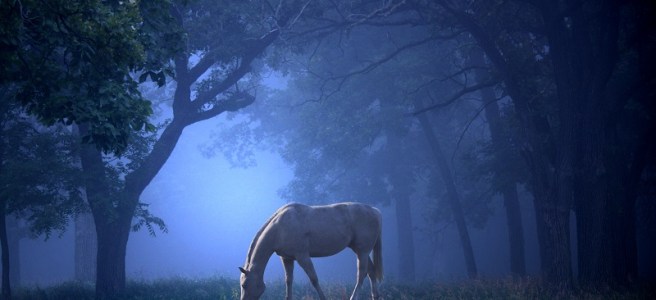
Unearth the fabled land of eternal youth and beauty, Tir na nÓg, and the stories of those who sought to find it. The Niamh of Tír na nÓg Pendant is crafted in dazzling sterling silver that evokes the beauty and wonder of the legend of Tír na nÓg. Inspired by the Tír na nÓg legend. Enbarr of Manannan is the magical silver horse that rides the waves to the fabled realm of Tír na nÓg, an otherworldly island of endless youth, beauty, and love.
The Wishing Tree
In the enchanting tradition of the Wishing Tree, people around the world partake in a magical ritual to express their deepest desires and hopes. Found in various cultures and locations, the Wishing Tree serves as a conduit between the earthly realm and the spiritual world. Visitors write their wishes or dreams on ribbons or pieces of paper, and with great reverence, tie them to the branches of the tree. The belief is that the tree’s energy will carry these heartfelt wishes upward, conveying them to the divine or to benevolent spirits. This beautiful practice fosters a sense of hope, unity, and interconnectedness among people, as they come together to share their aspirations and dreams, all under the watchful embrace of the Wishing Tree. The beautiful Wishing Tree Necklace is a symbol of hope and good luck. Our Wishing Tree Necklace is a stunning piece that encapsulates the enchantment and folklore of Ireland’s Wishing Trees.
A Celebration of Heritage The Irish Jewelry Company offers a collection of exquisite Irish folklore jewelry that pays homage to the rich traditions and beliefs of Ireland. We’ll showcase some of the stunning designs, such as Claddagh rings, Celtic knots, and symbols of fairies and other mythical creatures.
Embark on a wondrous journey with our exclusive collection of Irish folklore jewelry, where the essence of cultural beliefs comes alive. Our carefully crafted pieces allow customers to embrace their heritage and connect with the captivating stories of the old. Each unique design serves as a cherished keepsake, reminding wearers of the tales heard and the magic of Ireland’s folklore that still captivates hearts today. From the enchanting symbols of fairies and mythical creatures to the enduring love stories etched in our designs, owning our Irish folklore jewelry is an immersive experience in the rich tapestry of Irish culture and history. Embrace the joy of adorning yourself with these meaningful pieces that evoke the spirit of Ireland, a treasure to be cherished for generations to come.
Conclusion
The enthralling world of traditional Irish folklore continues to enchant and inspire, weaving its magic through the generations. The Irish Jewelry Company’s Irish folklore jewelry beautifully captures the essence of these timeless tales, allowing wearers to carry a piece of Ireland’s rich heritage with them. Embrace the beauty and power of Irish folklore and explore the captivating collection of Irish folklore jewelry, keeping the spirit of Ireland alive in every piece.
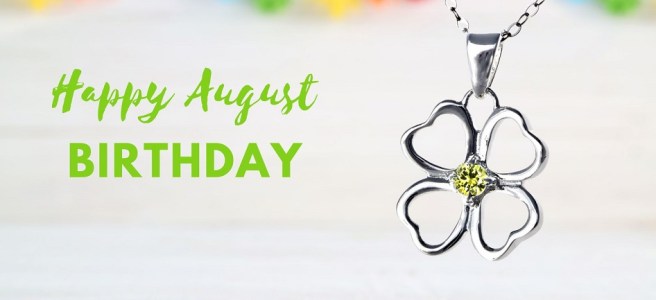
August, the month of golden sunshine, brings with it a radiant gemstone – the Peridot. Known as the August birthstone, Peridot has captivated hearts for centuries with its enchanting allure and storied history. At The Irish Jewelry Company, we take pride in offering a mesmerizing collection of August birthstone jewelry, expertly crafted to honor the significance and meaning behind this captivating gem. Let’s delve into the captivating world of Peridot and explore our exquisite August birthstone jewelry collection.
The Allure of Peridot Gemstone
As the August birthstone, Peridot holds a special place in the hearts of those born in this sunny month. Its vibrant green hue, reminiscent of fresh summer foliage, evokes feelings of vitality, joy, and renewal. Known as the “Gem of the Sun,” Peridot is believed to have been formed from the tears of the volcanic goddess Pele, as she wept with joy upon creating the Hawaiian islands.
Unraveling the Birthstone History and Meaning
Peridot’s history dates back thousands of years, with ancient civilizations cherishing its beauty and mystical properties. In Egyptian lore, Peridot was referred to as the “gem of the sun” and was believed to ward off evil spirits. Romans adorned themselves with Peridot jewelry to bring good luck and protection. In medieval times, Peridot was associated with healing and enlightenment.
At The Irish Jewelry Company, we celebrate the allure of Peridot with an exquisite selection of birthstone jewelry, expertly crafted to showcase the gem’s natural beauty. Our Peridot rings, necklaces, bracelets, and earrings feature elegant designs that pay homage to the gem’s storied past. Each piece is meticulously crafted to exude both classic elegance and contemporary appeal, making it the perfect accessory for any occasion.
Beyond its aesthetic beauty, Peridot carries profound symbolism. Associated with abundance and prosperity, this gemstone is believed to bring good fortune and success to its wearer. Its green color is also associated with growth, renewal, and a connection to nature, making it a symbol of harmony and balance.
Our August birthstone jewelry collection showcases the beauty and significance of Peridot in various Celtic-inspired designs. From August Birthstone Claddagh rings adorned with Peridot to Trinity knot necklaces and Celtic earrings featuring the gem, each piece embodies the rich heritage of Ireland and the timeless allure of Peridot.
In addition to its symbolic meaning, Peridot is believed to have healing properties that promote emotional well-being and physical vitality. It is said to alleviate stress, cleanse negative energies, and foster inner peace.
Among our stunning collections, our Peridot birthstone necklaces stand out as exquisite and meaningful gifts. The Peridot gem, delicately set in finely crafted designs, rests elegantly on the wearer’s neckline, radiating the gem’s captivating essence.
Explore the Birthstone Jewelry Collection
Delve into the magic of Peridot with our exclusive August birthstone jewelry collection. Each piece tells a story of ancient folklore and modern elegance, making it a cherished keepsake or a thoughtful gift for those celebrating their August birthday.
Conclusion
Celebrate the radiant beauty and meaning of Peridot with our enchanting August birthstone jewelry collection. Crafted with care and inspired by Irish heritage, each piece is a testament to the timeless allure of this captivating gemstone. Explore The Irish Jewelry Company’s collection and discover the perfect Peridot jewelry to add a touch of elegance and prosperity to your jewelry collection or delight someone special with a meaningful August birthstone gift.
In the emerald isle of Ireland, where the crashing waves of the Atlantic meet the rugged coastline, lies a captivating mythology of sea maidens known as the Merrow. These mystical beings, part-human and part-fish, have been woven into the tapestry of Irish folklore for centuries. In this blog post, we embark on a journey to explore the enchanting world of the Merrow, uncovering their origins, legends, and enduring allure within the rich tapestry of Irish mythology.
The Origins of the Merrow
The Merrow, also known as Mermaids or Mermen, have their origins in ancient Celtic and Irish mythology. The word “Merrow” is derived from the Gaelic word “muir,” meaning sea, and “oigh,” meaning a young woman. In Irish folklore, these mystical sea creatures are often depicted as beings of great beauty, grace, and allure, with long flowing hair and shimmering scales.
Irish legends are replete with tales of encounters with Merrows along the coastal cliffs and shores. Stories tell of fishermen and sailors who spot these ethereal beings lounging on rocks or combing their hair with golden combs. It is said that Merrow’s enchanting song can enthrall those who hear it, drawing them irresistibly towards the sea.
The Merrow’s Dual Nature
A striking aspect of Merrow mythology is their dual nature. While they are capable of assuming human form, their true essence remains bound to the sea. When in human guise, Merrows may walk among mortals, even forming relationships and marriages. However, their hearts always yearn for the depths of the ocean, and they must return to the sea regularly to maintain their vitality.
Legends abound of Merrow marriages and relationships with humans, often portrayed as bittersweet romances. If a human discovers and hides a Merrow’s cohuleen druith, the Merrow becomes bound to her human spouse. However, if the cap is found, she will be irresistibly drawn back to the sea. These stories explore themes of love, sacrifice, and the eternal pull of the natural world.
Merrows as Guardians of the Sea
In Irish mythology, Merrows are believed to possess an intimate knowledge of the ocean’s mysteries and currents. Some legends portray them as protectors of the sea’s creatures and guardians of maritime secrets, warning fishermen of impending storms or guiding lost sailors back to safety.
The Merrow’s Song and Music
Merrow mythology is deeply intertwined with the power of music and song. It is said that their captivating melodies can both soothe troubled waters and ensnare the hearts of those who hear them. The Merrow’s songs embody the allure and enchantment of the sea, evoking a sense of longing and nostalgia for its boundless depths.
The Irish water spirits are a fascinating array of mythical creatures that inhabit the coastal waters of Ireland, weaving their enchanting stories into the rich tapestry of Irish folklore. Among them are the merrow, alluring mermaids known for their captivating beauty and haunting melodies that lure sailors to the depths of the sea. Then there are the selkies, mesmerizing beings that can transform from seals into humans, often entwined in poignant tales of love and longing. Lastly, the kelpie, a water spirit frequently depicted as a horse, embodies both allure and danger, enticing unwary travelers to ride on its back, only to be drawn into the depths of the waters. These legendary water spirits encapsulate the profound connection between the Irish people and the vast ocean, inspiring wonder and awe for generations to come.
Who are the sirens in Irish mythology?
In Irish mythology, the Merrow are mystical sea creatures akin to mermaids, known for their enchanting beauty and captivating songs. Similar to the Sirens of Greek mythology, the Merrow used their melodic voices to entice and allure humans, drawing them irresistibly towards the sea. These alluring songs were known to mesmerize sailors and travelers, beckoning them to venture closer to the Merrow’s realm. While generally benevolent, the Merrow could occasionally exhibit a temperamental nature, lashing out at those who startled them or posed a threat to their world. Despite their occasional unpredictable behavior, the Merrow remain enduring symbols of the allure and mysteries of the sea, captivating the hearts and imaginations of those who hear their haunting melodies.
Introducing the captivating “Merrow in Moonlight Pendant” from The Irish Jewelry Company – an enchanting piece that embodies the allure of Irish folklore. Crafted with exquisite attention to detail, this pendant features a mesmerizing Merrow, a mystical sea maiden, gracefully gliding through the moonlit waters. Her ethereal beauty is accentuated by shimmering gemstones that reflect the moon’s luminous glow. Wear this pendant as a symbol of the deep connection between humanity and the sea, evoking the mystery and allure of Irish mythology. Embrace the enchantment of the Merrow and let this pendant be a cherished reminder of the boundless magic found within the realm of the sea. Perfect for all lovers of Irish folklore and those seeking to add a touch of mythical beauty to their jewelry collection. Dive into the world of the Merrow with the “Merrow in Moonlight Pendant” and embrace the timeless allure of Irish legends.
The Merrow’s Place in Modern Culture
The enduring appeal of Merrow mythology continues to captivate modern culture. From literature and art to film and music, the allure of these enchanting sea maidens permeates various forms of creative expression. Their timeless beauty and the poignant dichotomy between land and sea offer a powerful metaphor for exploring themes of identity, freedom, and the connection between humanity and the natural world.T
he myth of the Merrow is a testament to the enduring allure of Irish folklore and its intimate connection to the land and sea. These enchanting sea maidens, with their mesmerizing beauty and haunting songs, continue to captivate the hearts and imaginations of those who hear their stories. As the waves crash upon the shores of Ireland, the legend of the Merrow lives on, reminding us of the profound mysteries of the ocean and the enduring power of myth and storytelling.
In the annals of history, certain figures stand out as icons of defiance and courage. Grace O’Malley, known as the Pirate Queen of Connacht, was one such remarkable woman. Born in 1530, Grace defied societal norms and rose to prominence as a powerful leader, fearless seafarer, and cunning diplomat. This blog post delves into the life and adventures of Grace O’Malley, uncovering her fascinating journey through the tumultuous seas of the 16th century.
Who was Grace O’Malley? Her Early Life and the Sea’s Call
Grace O’Malley was born into the proud O’Malley clan, known for their seafaring prowess and legendary status along the rugged western coast of Ireland. From a young age, Grace was drawn to the sea, enchanted by the tales of her father and grandfather’s maritime exploits. In a time when women were confined to traditional roles, Grace defied convention and embraced her destiny as a captain of her own destiny.
As she came of age, Grace O’Malley took command of her own fleet of ships, becoming a force to be reckoned with on the high seas. Her naval expertise and strategic brilliance made her a formidable adversary to both English and Irish rivals. Grace led daring raids on merchant vessels and coastal settlements, amassing a considerable fortune and establishing herself as the Pirate Queen of Connacht.
Grace’s exploits soon caught the attention of Queen Elizabeth I of England. Despite their differences, the two formidable women found mutual respect for each other’s tenacity and intelligence. In 1593, Grace met with the Queen to discuss matters of state and secure the release of her sons, who were imprisoned by English forces. The audacity and courage displayed by Grace in standing up to the most powerful woman in the world earned her the admiration of the Queen.
Diplomacy and Alliances
Grace O’Malley was a savvy political tactician. Beyond her daring escapades, Grace O’Malley proved to be a shrewd diplomat. She formed alliances with other chieftains and pirate leaders, uniting against common enemies. Her network of connections spanned from Ireland to Scotland and even as far as the Barbary Coast. Grace leveraged these alliances to strengthen her position and protect her people from external threats.
The legacy of Grace O’Malley continues to live on in the hearts and minds of people worldwide. Her story has been immortalized in folk songs, poems, and tales that have been passed down through generations. In Irish folklore, she is celebrated as a symbol of Irish resistance against foreign domination and an embodiment of female empowerment.
Sir Richard Bingham was the target of a plot in September 1595; he escaped to England and was imprisoned there. Sir Conyers Clifford was chosen to serve as Connaught’s governor. Though the exact date and location of O’Malley’s death are contested, it is most probable that she passed away in Rockfleet Castle in or around 1603, the same year of Elizabeth’s passing.
Grace O’Malley’s Impact on Maritime History
Grace O’Malley’s impact on maritime history cannot be understated. As a female pirate captain in a male-dominated world, she shattered barriers and demonstrated that courage and leadership know no gender boundaries. Her exploits inspired countless women to challenge societal norms and pursue their dreams, regardless of the obstacles.
Grace O’Malley, known as the Pirate Queen of Connacht, served as the inspiration for this delicately designed Pirate Queen Pendant made of sterling silver. A ship’s anchor made of sterling silver that has been highly polished and has gold-plated knots woven into it evokes the spirit of exploration that Grace’s heart personified throughout her era and grabs the attention.
It goes without saying that her reputation endured, and now she is venerated all over the world as a symbol of unyielding female might. This is the ideal pendant for someone who is fearless and self-reliant, as well as for people who have an exploratory and unconquerable spirit.
Conclusion
Grace O’Malley, the Pirate Queen of Connacht, left an indelible mark on history. Her daring adventures, unwavering determination, and unyielding spirit continue to captivate and inspire people to this day. As a fearless leader and fearless seafarer, she embodies the essence of what it means to be truly free and courageous. Grace O’Malley’s legacy serves as a reminder that, with courage and determination, one can overcome any obstacle and sail beyond the horizon of possibility.
In the realm of a mythical isle, lived the captivating Niamh, a beautiful inhabitant with a heart as pure as the morning dew. One fateful day, as she rode her mystical horse Enbarr, fate intertwined her life with that of the valiant Irish hero Oisin. Their eyes met, and an undeniable spark of love ignited between them, sealing their destinies together.
In a heartbeat, Oisin was spellbound by Niamh’s charm, and without hesitation, he agreed to venture across the vast waves with her to the legendary land of Tír na nÓg. There, they were blessed to live in eternal love and youth, untouched by the passing of time for three centuries.
Despite the paradise they shared, Oisin couldn’t help but yearn for his family and homeland. Sensing his inner turmoil, Niamh selflessly lent him her enchanted horse to return to Ireland, with a warning not to touch the ground or risk losing the way back.
Back in his homeland, Oisin was met with heartache, as everyone he knew had long departed, and the once-familiar land had transformed. Filled with longing for Niamh and Tír na nÓg, he set forth on the journey back. Yet, a tragic twist awaited him when he dismounted to aid some locals with a heavy stone. The moment his feet touched the earth, Enbarr vanished in a silvery flash across the waves, leaving Oisin to age rapidly, burdened with the weight of his memories.
Tír na nÓg also known as The Land of the Young, was an enchanted island off the west coast of Ireland where everyone was youthful, attractive, and free from disease and misery. The Tuatha de Dannan, the last group of gods and deities to govern Ireland, resided there.
With his final breaths, Oisin shared the poignant tale of his love and the adventures that unfolded in the realm of Niamh and Tír na nÓg.
How do you pronounce Tír na nÓg?
Although it may appear difficult to pronounce if you’re unfamiliar with Irish, the pronunciation ofTír na nÓg is not significantly different from what you’re presumably envisioning when you read the name. It’s pronounced, “tear na noog”.
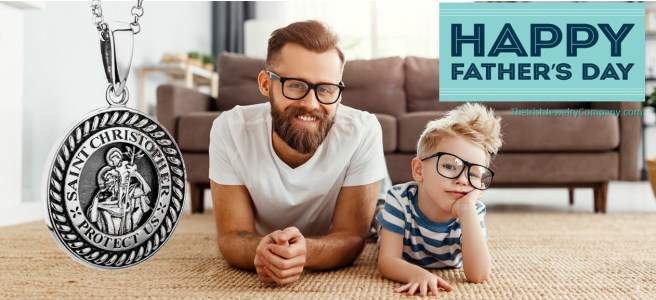
In Ireland, the observance of Father’s Day consistently falls on the third Sunday of June. This concept exhibits a correlation with St. Joseph, the spouse of the Virgin Mary, who functioned as the guardian of Jesus in a paternal capacity. The feast day of St. Joseph is observed in March; however, it is customary to associate him with the Father’s Day celebrations that occur on Sunday mornings during mass. This year, Father’s Day falls on June 20th, and St. Joseph is regarded as a symbol of guidance and inspiration for fathers across the globe.
When was Father’s Day made official in the US?
In 1966, the President of the United States, Lyndon B. Johnson, issued the inaugural presidential proclamation for a day dedicated to honoring fathers. This proclamation established an official Father’s Day to be observed annually on the third Sunday of June. The law in question was enacted by President Nixon in 1972. Efforts have been undertaken in Argentina to modify the customary June observance of Father’s Day to August 24th, which marks the occasion when Jose de San Martin, commonly referred to as the ‘Father of the Nation’, became a father.
History of Father’s Day
The idea of Father’s Day was conceived more than a century ago by Sonora Dodd of Spokane, Washington. Dodd wanted a special day to honor her father, William Smart, a widowed Civil War veteran who was left to raise his six children on a farm.
In certain regions of Germany, Father’s Day is alternatively referred to as Men’s Day. Male members of the household frequently employ it as a justification for consuming alcohol excessively. In Germany, the sale of alcohol is subject to restrictions during Father’s Day, which coincides with Ascension Day, a public holiday commemorating the ascension of Jesus Christ to heaven, 40 days after Easter.
How is fatherhood commemorated?
Fatherhood is commemorated through diverse customs and traditions across various regions of the globe. Indeed, this is a justifiable assertion. The majority of paternal figures may not possess the same level of unwavering patience as the biblical figure of St. Joseph. However, there are certain circumstances in life where only a paternal figure can fulfill the necessary role. Who does not recall the experience of being a young child, being tucked into bed every night, and being read a bedtime story from a fairytale to induce sleep? Numerous Irish athletes in the sports of hurling, football, and rugby have achieved great success, often with the support of an enthusiastic paternal figure who provided encouragement during junior matches held on inclement weekend mornings. The presence of a father figure to provide physical and emotional support during the significant journey down the aisle is crucial for many brides.
Is Father’s Day in the UK and the USA on the same day?
The UK, US, and Canada all celebrate Mother’s Day on different days, but they all celebrate Father’s Day on the third Sunday of June. They also share the same holiday, which is often marked by cards and gifts.
When it comes to Father’s Day gifts that exude both elegance and Celtic charm, The Irish Jewelry Company offers an exquisite option with their Men’s Sterling Silver Claddagh Ring. Crafted with meticulous attention to detail, this timeless piece showcases the iconic Claddagh symbol, which represents love, loyalty, and friendship. The ring features a sleek band made of high-quality sterling silver, ensuring durability and a luxurious shine. The intricate design includes the hands holding a heart, adorned with a crown, symbolizing the bond of fatherhood and the importance of family. Whether your dad has Irish roots or simply appreciates fine craftsmanship, this Men’s Sterling Silver Claddagh Ring from The Irish Jewelry Company makes for a meaningful and stylish Father’s Day gift.
To explore more Father’s Day gift options from The Irish Jewelry Company, you can visit their dedicated Father’s Day gifts page at https://www.theirishjewelrycompany.com/occasion/father-s-day-gifts.html. This curated collection offers a wide range of unique and sentimental presents for fathers, ensuring there’s something to suit every dad’s taste. From personalized Celtic bracelets and engraved pocket watches to ruggedly handsome Celtic knot cufflinks, each item is thoughtfully crafted to honor the spirit of fatherhood and celebrate paternal love. With their commitment to quality and authentic Irish designs, The Irish Jewelry Company provides a delightful selection of Father’s Day gifts that are sure to make a lasting impression and serve as cherished mementos for years to come.
May is a special month for many reasons. The weather starts to warm up, flowers start to bloom, and the days get longer. But for those born in May, it’s an extra special time of year. May babies are lucky enough to have the beautiful emerald as their birthstone, which is a gemstone that symbolizes hope, growth, and renewal. In this blog post, we will dive into the significance of May birthdays and explore the beauty and history of emerald jewelry.
May Birthdays: A Celebration of Renewal
May birthdays are celebrated all around the world, and for good reason. May is a time of renewal and growth, and those born in this month are said to embody these qualities. People born in May with May birthdays are often described as creative, intelligent, and determined individuals. They are known for their strong will and ability to persevere through difficult times.
The emerald, as the birthstone for May, is a perfect symbol for these qualities. It is a precious gemstone that has been treasured for centuries for its stunning green color, which is said to represent life, growth, and renewal. It is also believed to have healing properties and can help to calm the mind and promote emotional balance.
The History and Beauty of Emeralds
Emeralds have been prized for their beauty and rarity for thousands of years. They were first discovered in Egypt around 3000 BC and were worn by Egyptian royalty and other high-ranking officials. In ancient times, emeralds were also believed to have mystical powers, including the ability to predict the future and protect against evil spirits.
Today, emeralds are still highly sought after for their beauty and rarity. They are mined in countries all over the world, including Colombia, Zambia, Brazil, and Afghanistan. Colombian emeralds are particularly prized for their deep green color and clarity.
Emerald jewelry is also very popular, and there are many different styles to choose from. Emerald rings, necklaces, and earrings are all popular choices, and they make great gifts for May birthdays or other special occasions.
The Irish Connection to Emeralds
Ireland has a special connection to emeralds, and it’s no surprise given the country’s lush green landscape. The name “emerald” is actually derived from the Greek word “smaragdos,” which means “green gem.” In Ireland, emeralds have been used for centuries in traditional jewelry and other decorative objects.
One of the most famous examples of Irish emerald jewelry is the Tara Brooch, which dates back to the 8th century AD. The brooch is made of gold and decorated with intricate filigree designs and precious gems, including emeralds. It is considered one of the finest examples of Celtic art and is now housed in the National Museum of Ireland in Dublin.
Today, there are many Irish jewelers who specialize in creating beautiful emerald jewelry. The Irish Jewelry Company, for example, offers a wide range of emerald jewelry pieces, including emerald Claddagh rings, necklaces, and earrings as well as May birthstone jewelry. Each piece is designed and crafted in Ireland, using only the finest materials and traditional techniques.
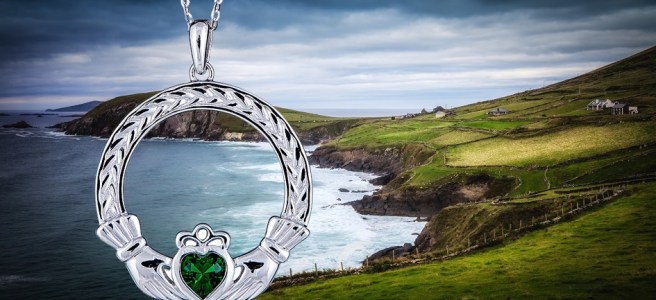
The Emerald Claddagh Heart Ring is a stunning piece of jewelry that is perfect for those who appreciate Irish traditions and the beauty of emerald gemstones. This ring is designed with the iconic Claddagh symbol, which represents love, loyalty, and friendship. The Claddagh consists of two hands holding a heart, with a crown on top, and is a beloved symbol of Irish heritage.
This ring is not only beautiful but also has a special meaning. The Claddagh symbolizes love, loyalty, and friendship, making it a perfect gift for a loved one or a friend. It is often given as a token of affection or as a promise ring to show one’s commitment and devotion.
This well-known nickname for Ireland may have originated from a papal bull titled Laudabiliter, which translates to “it is praiseworthy.” Pope Adrian IV issued the bull in 1155, and it granted the Norman King Henry II of England authority over Ireland. This occurred during the reign of Henry II. The precise phraseology of the document that granted Henry the authority to seize possession of Ireland reads as follows:
‘We, therefore, regarding your pious and laudable design with due favour, and graciously assenting to your petition, do hereby declare our will and pleasure, that, for the purpose of enlarging the borders of the Church, setting bounds to the progress of wickedness, reforming evil manners, planting virtue, and increasing the Christian religion, you do enter and take possession of that island, and execute therein whatsoever shall be for God’s honour and the welfare of the same.’
Although the Norman conquest of Ireland did not take place until a much later period, according to the diplomat John of Salisbury, at the same time that the Laudabiliter was written, Pope Adrian IV sent a magnificent emerald ring to King Henry II along with the formal Brief of Investiture. This occurred at the time when the Laudabiliter was proclaimed. Many people think that Ireland’s moniker, “The Emerald Isle,” originates from this narrative, despite the fact that Ireland is famously recognized for its verdant beauty.
In Conclusion
May birthdays are a time to celebrate growth, renewal, and the beauty of life. And what better way to do that than with a stunning emerald piece of jewelry? Whether you’re shopping for yourself or a loved one, emerald jewelry is a beautiful and meaningful way to mark this special occasion. So go ahead, embrace the magic of May birthdays, and let the beauty of emerald jewelry inspire you.
May Day has been celebrated in Ireland since pagan times as the feast of Bealtaine and in later times as Mary’s Day. Traditionally, bonfires were lit to mark the coming of summer and to banish the long nights of winter. Officially Irish May Day holiday is the first Monday in May. Old traditions such as bonfires are no longer widely observed, though the practice still persists in some places across the country. Limerick, Clare, and many other people in other counties still keep on this tradition such as the town of Arklow in Co. Wicklow.
The Beltane festival, also known as May Day in Gaelic, is celebrated on May 1. It is usually celebrated on May 1st, which is roughly equivalent to the time when the northern hemisphere is approximately halfway between the spring equinox and the summer solstice. The name of the event is often used interchangeably with the month of Gaelic Ireland that ushers in the summer season.
Beltane or Beltain is the Celtic May Day festival. Beltane is commonly held on May first or midway between the spring equinox and the summer solstice. Beltane is a holiday celebrated by Pagans and is considered to be one of the eight Sabbats. It occurs approximately in the middle of the spring equinox (Ostara) and the approaching summer solstice, which is called Litha. The festival commemorates the culmination of spring as well as the arrival of summer. The holiday known as Beltane is also sometimes referred to as May Day. Historically, Beltane was widely observed throughout Ireland, Scotland, and the Isle of Man. Traditionally, bonfires were lit to mark the coming of summer and to banish the long nights of winter.
Traditions associated with May Day, including Maybushes and Maypoles
There were several well-known practices that were observed all throughout the Emerald Isle that was tied to the background and traditions of May Day in Ireland.
One of the most well-known superstitions is the Maybush, which is a decorated bush that is left in community locations in town centers or in the grounds of rural residences. These areas are believed to ward off evil spirits.
In many cases, a hawthorn bush was used, and it would be adorned with things like ribbons, linen, tinsel, and even candles in certain cases. The Maybush was believed to improve the fortune of a household or a whole town.
Another well-known custom was the Maypole, which could be found in many of the larger towns and cities throughout Ireland. In the past, Maypoles were constructed from of tall trees; but, throughout time, they have been replaced by more formal poles that are erected in the heart of towns.
After then, flowers and ribbons were used to decorate the poles, and activities such as dance and athletic competitions were frequently centered around the pole.
It was also a common practice during the history and traditions of May Day in Ireland to crown a May Queen using the flowers that were gathered on the eve of Bealtaine. This was an important part of the celebration.
The coronation of the May Queen was traditionally followed by a number of other celebrations, one of which included a procession in which the Maybush was carried.
The May Queen is the title given to the young woman who leads the parade on May Day while dressed in a pure white gown to represent her role as the personification of the May Day holiday. She then gives a speech before the festival dancing begins.
Dancing Around the May Pole
Dancing was a significant part of the May Day celebrations in Ireland, and it was one of the most common traditions. In order to show their appreciation for the community’s stability, members would dance around a Maypole or campfire.
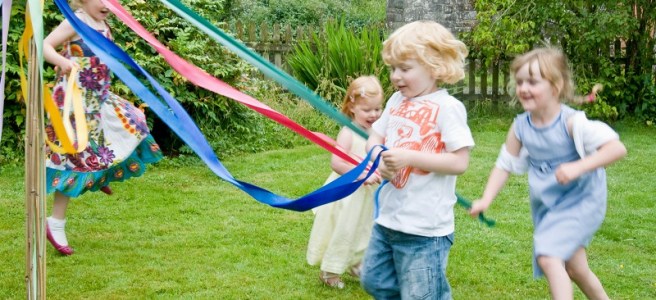
The Maypole dance is a ceremonial kind of folk dance that is typically performed around a tall pole that is decorated with foliage or flowers and frequently draped with ribbons that are braided by the dancers into intricate patterns. These dances are a relic of ancient rituals that consisted of dancing around a living tree during the springtime in order to ensure fertility.
Men and women would clasp hands to form a circle, then move in and out from under each other’s arms while they danced. This would attract additional dancers, who would then follow in their footsteps. It was believed that the movements of the sun might be interpreted through this dance to produce a representation of the arrival of summer.
What is the proper way to dance around a maypole?
The dancers begin by standing in a circle around the maypole. Then, in rhythm with the music, they take four steps toward the maypole, then four steps back, and finally they return to the circle for a count of eight. This is the most basic form of the dance. They are able to lift their arms as they get closer to the maypole, and then they are able to lower their arms as they get further away.
What is the significance of the pole in the term “maypole”?
The lengthening of the days leading up to summer is thought to be represented by this, but the true importance of the pole itself is not well understood. On village greens and in squares, there is often a maypole that remains erected throughout the year in certain villages.
Which colors of ribbons should be used for a maypole?
If you want the dance to produce an attractive pattern, use a variety of brightly colored ribbons such as red, yellow, purple, blue, green, and white, and make sure the length of the ribbons is roughly equal to twice the height of the maypole. You are welcome to embellish the crown with leaves and silk or plastic flowers if you so desire.
It should come as no surprise that a number of different superstitions are intertwined with the history and traditions of May Day in Ireland given that the Irish are a superstitious people in general.
On the evening before May Day, yellow flowers were gathered and dispersed all around the exterior of the house in order to bring good luck and prevent Cailleachs, also known as hags, and fairies from entering the house.
Children would frequently build flower crowns and posies out of the yellow flowers to symbolize the sun, and then they would leave them on the doorsteps of their neighbors as a gesture of peace.
The local wells were the focus of yet another of the May Day traditions and superstitions that were observed throughout Ireland.
It was common practice to preserve both the water supply and the health of individuals who drank from wells by placing flowers in them. At other times, people would go to holy wells as part of the Bealtaine festival. While they were there, they would leave personal possessions behind and pray for good health as they walked clockwise around the well.
People used to believe that the water that was drawn from the well for the first time on May Day had significantly more power than the water drawn at any other time of the year. They also believed that drinking this water would provide protection and cures, in addition to improving the appearance of the skin.
International Workers Day also called Worker’s Day
May Day, which is also known as Workers’ Day or International Workers’ Day, is the day on which workers and the labor movement commemorate the struggles endured and victories attained over the course of the previous year. The first of May is the day on which it is celebrated in many countries.
Given that May Day celebration are all about expressing oneself through dancing and celebrating, the Puritans who lived in New England during the 16th and 17th centuries gave the rituals the name “bacchanalian.” This, of course, resulted in there being fewer May Day celebrations during that time period.
But, thankfully, celebrations of May Day have made their way back into the modern era, and they continue to be a symbol of the wondrous transition from the depressing cold season to the vibrant warmer season. The most devoted partygoers can be found today in Scotland and Ireland, where they celebrate Beltane or Gaelic May Day, or in the United Kingdom and Bavaria in Germany, where the maypole is decorated with symbols of the local handicrafts and trades and painted in the white and blue colors of their region.
Festivities are also held on this side of the water, in case you were wondering. Find out if your neighborhood or the school where your child attends has a festival so you may take part in the activities taking place this year. Or you could be the one to initiate a brand new custom in your community!
Mother’s rings are a sentimental and timeless gift that can bring joy and warmth to any mother’s heart. . These rings feature a beautiful design of a mother and child together, symbolizing the unbreakable bond between them. They are a great way to show appreciation and love to the women who have given us so much. The design is often crafted from high-quality materials and is both elegant and timeless, making it a truly special gift. They are a great way to show appreciation and love to the women who have given us so much.
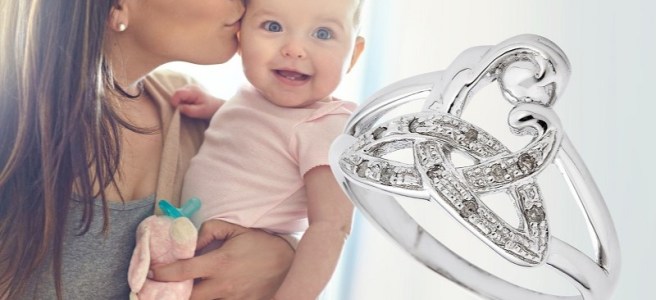
The Celtic Mother’s Knot ring is a beautiful and intricate design that symbolizes the unbreakable bond between a mother and her children. The knot, which has no beginning or end, represents the endless love and devotion a mother has for her children. The design is crafted from sterling silver and features a unique Celtic knot pattern that is both elegant and timeless. The Celtic Mother’s Knot ring also available as the Diamond Celtic Mother’s Knot Ring is a truly personalized and meaningful gift.
The Mother’s Claddagh ring is another popular design offered exclusively. This ring features mothers and children with the traditional Claddagh design, which consists of two hands holding a heart, symbolizing love, loyalty, and friendship. The Claddagh design is steeped in Irish history and culture and is a beloved symbol of love and friendship around the world.
The Mom Irish Claddagh ring is another unique and stunning design offered by The Irish Jewelry Company. This ring features the same Claddagh design as the Mother’s Claddagh ring but with the word “Mom” prominently displayed in the center of the ring. This design is a wonderful way to show appreciation and love to a mother, making it a truly personal and meaningful gift.
Why chose a mother’s ring from The Irish Jewelry Company?
All of the Mother’s rings offered by us at The Irish Jewelry Company are crafted from high-quality materials and are made to last. Our unique designs are beautiful and unique mother and child rings, a truly special gift. We pride ourselves on our commitment to quality and customer satisfaction, and the reviews from happy customers reflect this dedication.
In addition to the beautiful Mother’s rings, The Irish Jewelry Company also offers a wide range of other Irish jewelry and gifts. From Mothers Claddagh pendants and earrings to Celtic Mouther’s Knot cross necklaces, we have something for everyone who loves Irish culture and heritage.








 irish culture and traditions