Over 2,000 years ago, long before pumpkins, candy, and store-bought costumes, the Celtic festival of Samhain marked the end of the harvest and the beginning of winter in Ireland. Many of the Irish Halloween traditions we recognize today, from wearing masks to trick-or-treating can be traced back to this ancient fire festival. In fact, modern Halloween as celebrated worldwide, owes much of its origin to the Celtic festivals of Ireland and Scotland.
In this article, we’ll explore how Samhain gave birth to today’s Halloween, dive into six key traditions that originated in Ireland, and show how these customs still live on—sometimes in surprising ways.
The Celtic Roots of Halloween
Halloween is often thought of as an American holiday, but its roots are deeply Irish. The Celts celebrated Samhain (pronounced SOW-in), one of the four great fire festivals along with Imbolc, Bealtaine, and Lughnasa. Samhain, held from October 31 to November 1, marked the turning of the year, when the light half ended, and the dark half began.
The Celts believed that at this liminal moment, the veil between worlds grew thin. Spirits of ancestors returned to visit their families, while trickster fae and malevolent beings roamed freely. To protect themselves and honor the dead, people lit bonfires, wore disguises, and made offerings of food and drink.
This mixture of reverence, fear, and celebration created the foundations of what we know today as Halloween.
Six Halloween Traditions That Come from Ireland’s Samhain Festival
1. Fabric Masks – Disguising from Spirits
During Samhain, the Irish wore simple fabric masks and costumes made from animal skins or tattered cloth. These disguises weren’t about fun, they were about survival. The belief was that if wandering spirits could not recognize you as human, they would leave you unharmed.
This custom later evolved into the medieval practice of “guising” in Ireland and Scotland, where children and adults would dress up and perform songs or rhymes for food. By the time Halloween crossed the Atlantic with Irish immigrants in the 19th century, guising had transformed into what Americans now call trick-or-treating.
Even today, the act of dressing up at Halloween pays homage to those first Celts who wrapped themselves in cloth and hides to outwit supernatural forces.
2. Lanterns – From Turnips to Pumpkins
Long before carved pumpkins lined porches, the Irish hollowed out turnips, beets, or mangelwurzels to create protective lanterns. These grimacing faces, often illuminated with embers from Samhain bonfires, were designed to ward off evil spirits.
This tradition ties closely to the legend of Stingy Jack, a mischievous man doomed to wander the night with only a carved turnip lantern. When Irish immigrants arrived in America, they discovered the pumpkin to be a larger, easier-to-carve alternative. Thus, the jack-o’-lantern was born, but its soul remains thoroughly Irish.
Lantern-making reflects both the Celtic need for protection and the creativity of ordinary people using whatever materials the earth provided.
3. Jewelery of the Earth – Amulets for Protection
One lesser-known Samhain custom was the use of “jewelery of the earth” charms and natural talismans worn for protection. The Celts believed that stones, shells, and carved bones held magical energy. Wearing them during Samhain offered defense against wandering fae or spirits that might bring mischief.
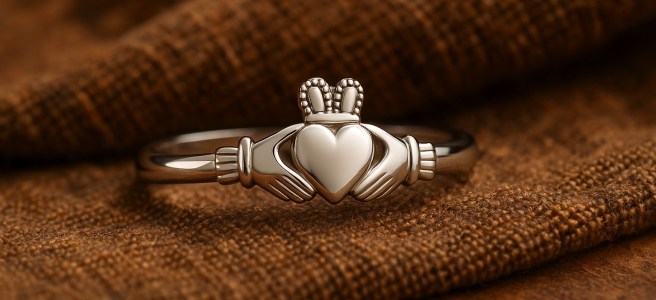
For example, jet, amber, and bone amulets were popular. Even simple knots carved into wood became powerful symbols. This tradition survives in Ireland today in the wearing of Celtic jewelry, Trinity Knots, Claddaghs, and Celtic crosses, each carrying protective or spiritual meaning.
At The Irish Jewelry Company, you’ll find many designs that echo these ancient protective charms, keeping alive the Celtic festivals’ link between adornment and spirituality.
4. Bairín Breac – Fortune Telling in a Loaf
Halloween in Ireland would not be complete without Bairín Breac, a sweet, yeasted fruit bread often baked with hidden tokens inside. Each item carried a meaning:
- A ring signified marriage within the year.
- A coin foretold wealth.
- A pea or a stick could mean poverty or discord.
Families would slice the loaf at Halloween gatherings, turning the humble bread into a form of fortune-telling. The tradition of Bairín Breac remains popular in Ireland today, showing how food, festivity, and prophecy all came together during Samhain.
5. Protecting from Tricksters – Warding Off Mischief
The Irish believed that on Samhain night, both human and otherworldly tricksters roamed the land. To ward them off, people would leave out offerings of food and drink. This appeased the faeries and spirits, ensuring they passed by peacefully instead of causing harm.
Households also relied on protective charms, iron keys, salt, or even carved symbols above doorways to keep tricksters at bay. Over time, this transformed into the custom of children playing pranks on Halloween, echoing the spirit of mischievous beings once feared in Celtic Ireland.
Today’s Halloween mischief, from egging houses to spooky games, can be traced directly back to the Irish Halloween traditions of protecting against trickery during Samhain.
6. Trick or Treating – Ancient Customs, Modern Fun
The practice of trick-or-treating is one of Halloween’s most beloved customs, and its roots stretch back to Ireland. During Samhain, children and the poor would go door to door singing songs or reciting prayers for the dead in exchange for food. This was known as “souling.”
By the Middle Ages, this evolved into “guising,” where costumed visitors performed tricks for small offerings. When Irish immigrants brought these customs to America, they blended into the tradition of children saying “trick or treat!”
What was once a ritual to honor ancestors has become a playful tradition, but it remains one of the clearest examples of how Celtic festivals shaped the modern Halloween we know today.
Other Irish Halloween Traditions and Folklore
Divination and Games
Beyond Bairín Breac, Samhain nights were filled with fortune-telling games. Apples floated in tubs of water, and young people would try to bite them to see who would marry first. Hazelnuts were roasted in the fire to predict love matches, with each nut named for a potential sweetheart.
Bonfires and Community
Massive bonfires lit the Irish countryside during Samhain, symbolizing purification and protection. Villagers would light torches from the communal fire to rekindle their home hearths, tying the community together.
Honoring the Dead
Families left out an empty chair or plate of food to welcome deceased relatives. This blend of fear and reverence is still visible in the way we think of Halloween as both spooky and sacred.
The Spread of Irish Halloween Traditions Worldwide
When millions of Irish emigrated to America in the 19th century, they carried their Samhain traditions with them. In the United States, these customs mingled with other cultures, evolving into modern Halloween. The jack-o’-lantern, trick-or-treating, and costume parties all owe their existence to these Irish roots.
Today, Halloween is a global holiday, but Ireland remains its spiritual home. Villages like Athboy and Derry now host Celtic festivals every October, re-enacting the lighting of ancient bonfires and celebrating Samhain as their ancestors once did.
Irish Halloween Jewelry – A Modern Connection to Samhain
Jewelry has always been more than decoration in Irish tradition—it’s a link to protection, identity, and heritage. The “jewelery of the earth” worn during Samhain has evolved into modern Celtic pieces that still carry meaning.
- Trinity Knots symbolize eternity and spiritual protection.
- Claddagh Rings represent love, loyalty, and friendship.
- Celtic Crosses echo the blending of pagan and Christian symbolism.
By wearing these designs during Halloween, you connect with the Irish Halloween traditions of warding off spirits and honoring heritage. Explore collections at The Irish Jewelry Company to find meaningful pieces that carry forward the protective spirit of Samhain.
Conclusion – From Samhain Fires to Trick-or-Treat Streets
Halloween may now be a worldwide celebration of costumes, candy, and spooky fun, but its beating heart lies in Ireland’s Samhain festival. From fabric masks and lanterns to Bairín Breac and trick-or-treating, so many of the traditions we hold dear come directly from the Celts, who honored the turning of the year with fire, food, and folklore.
By remembering these origins, we don’t just enjoy Halloween; we honor thousands of years of heritage. Whether you light a jack-o’-lantern, put on a mask, or share a slice of fruit loaf, you’re taking part in rituals that began in the Irish countryside long ago.
FAQ – People Also Ask
Q: What are the origins of Halloween in Ireland?
A: Halloween originated from the Celtic festival of Samhain, celebrated in Ireland over 2,000 years ago. It marked the end of harvest and the start of winter, when spirits were believed to walk among the living.
Q: What Irish Halloween traditions still exist today?
A: Customs such as carving lanterns, dressing in costumes, baking Bairín Breac, and trick-or-treating all come from ancient Samhain practices.
Q: How did Samhain become Halloween?
A: Samhain merged with Christian All Hallows’ Eve in the Middle Ages. Irish immigrants later carried these traditions to America, where they evolved into modern Halloween.
Q: What food is eaten at Halloween in Ireland?
A: The traditional food is Bairín Breac, a fruit loaf baked with hidden charms for fortune-telling. Colcannon, made from potatoes and cabbage, is also popular.





 irish culture and traditions