Irish Wedding Traditions: Past and Present

Weddings in Ireland have always been more than just a union of two people; they are a tapestry woven with history, symbolism, and a touch of Celtic magic. From ancient rituals tied to the Celts to modern celebrations that still honor these traditions, Irish weddings beautifully balance heritage with contemporary love stories. Today, couples often blend the old with the new, ensuring their big day feels timeless while uniquely personal.

Whether it’s the iconic Claddagh wedding ring, the lively steps of Irish dancing, or quirky customs like placing a Child of Prague statue in the garden, Irish weddings carry layers of meaning that connect couples to centuries of culture. Let’s explore how past and present traditions intertwine to create weddings rich in symbolism, love, and celebration.


Celtic Wedding Traditions Found in Modern Ceremonies

Handfasting Ceremony

One of the most enduring Celtic wedding traditions is the handfasting ceremony. This ancient ritual dates back to pre-Christian times, when couples would have their hands bound together with ribbon or cord as a symbol of unity and commitment. It was the origin of the phrase “tying the knot.”

In modern Irish weddings, handfasting often complements religious or civil vows, offering couples a way to honor their Celtic heritage. Couples choose ribbons in colors representing their values—red for passion, green for fertility, blue for loyalty, and the cords are tied into symbolic knots. The beauty of handfasting lies in its visual and spiritual connection to Ireland’s past, yet it feels fresh and romantic in today’s ceremonies.

Celtic Knot Rings

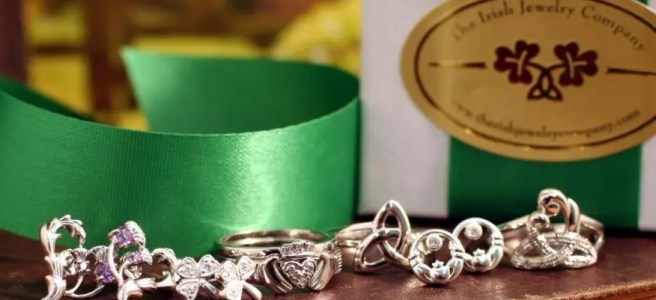
The Celtic knot, with its unending loops, represents eternity, making it a perfect motif for wedding rings. Many couples incorporate Celtic knotwork into their rings to symbolize eternal love, interconnectedness, and unbreakable bonds.

Explore Celtic Knot Wedding Rings

These designs often feature interwoven patterns that have no beginning or end, echoing the infinite cycle of life and love.

Featured Style: Comfort Fit Celtic Knot Ring

One stunning example is the Comfort Fit Celtic Knot Ring. Handcrafted in solid precious metal, its knotwork design embodies strength and continuity—making it an ideal choice for couples who want their rings to tell a story as enduring as their vows.


Ladies Celtic Design Diamond Set Ring

For brides who want to embrace tradition while sparkling with elegance, the diamond Trinity Knot engagement ring is a meaningful option. The Trinity Knot, or Triquetra, has deep Celtic roots, symbolizing faith, eternity, and the interconnectedness of life.

The Diamond Trinity Knot Engagement Ring Set blends this ancient symbol with modern design, combining timeless heritage with contemporary beauty. It represents not just a promise of love, but also a proud connection to Irish tradition.


Claddagh Wedding Rings

No discussion of Irish weddings is complete without the Claddagh ring. Originating in the fishing village of Claddagh in Galway, the design features hands (friendship), a heart (love), and a crown (loyalty). Together, these symbols represent the perfect foundation for marriage.

Explore Claddagh Wedding Rings

Traditionally, the Claddagh ring is worn in different ways to signal relationship status. For weddings, it’s worn on the left hand with the heart pointing inward toward the wearer, symbolizing love and commitment.

Featured Style: Lab Diamond Claddagh Ring

A modern take on this classic is the ½ Carat Lab Diamond 10K Gold Claddagh Ring. It enhances the traditional design with sparkling brilliance while keeping the symbolism intact.


Claddagh Wedding Ring Two Tone with Celtic Knotwork

Many couples choose to combine Irish traditions, pairing the Claddagh’s symbolic meaning with Celtic knotwork for added depth. The Claddagh Wedding Ring in Silver and 10K Gold achieves just that. The result is a meaningful blend of loyalty, eternal love, and Irish artistry perfect for modern couples who cherish heritage.


Irish Dancing at Weddings

No Irish wedding is complete without dancing! From lively jigs to traditional step dancing, music and movement are at the heart of Irish celebration. At receptions, professional Irish dancers often perform to delight guests, while friends and family take to the dance floor afterward.

Local Musical Instruments

Music is equally central, with fiddles, tin whistles, bodhráns (Irish drums), and harps filling the room with unmistakably Irish sound. This creates not just entertainment but also a cultural experience that connects generations and adds energy to the celebration.


Weird Irish Wedding Traditions

Ireland is also famous for its quirky wedding customs, some charming, some humorous, but all rooted in folklore.

Horseshoes for Good Luck

The horseshoe is one of Ireland’s most beloved symbols of good fortune. Brides often carried a horseshoe on their wedding day to ensure luck followed them into marriage. Today, this tradition has been reimagined in jewelry, like the Shamrock Horseshoe Necklace, making it a stylish keepsake of Irish luck.

Child of Prague

A particularly Irish quirk involves placing a statue of the Child of Prague outside the bride’s home the night before the wedding. Legend says this guarantees good weather on the big day. It’s still a popular practice, especially in rural Ireland.

Ward Off Evil Spirits with Bells

Another tradition involves ringing wedding bells to ward off evil spirits and bless the union. This custom gave rise to the phrase “wedding bells are ringing,” and many Irish couples still include bells in their ceremonies or décor.

The Magic Hankie

The “magic hankie” is a cloth carried by the bride that can later be sewn into a bonnet for the couple’s first child, symbolizing the continuation of love and family. This sweet tradition highlights the deep connection between Irish weddings and family heritage.


Ancient Irish Wedding Traditions

Long before modern rings and white dresses, Ireland’s wedding customs were deeply influenced by Celtic culture.

It’s Not Till “Death Do Us Part.”

In Celtic times, marriages weren’t necessarily lifelong. Some unions were made for a trial period often a year and a day. If the couple was unhappy, they could part ways without stigma.

What Is Mine Is Not Yours?

Property rights in ancient Ireland were complex. Men and women often kept separate property, and detailed contracts spelled out what belonged to whom in a marriage. It was surprisingly progressive for its time.

Specific Days for Weddings

The Celts believed certain days were luckier than others for weddings. For example, May was often avoided due to connections with the festival of Beltane, while Sunday was seen as the most favorable day to marry.


About The Irish Jewelry Company

At The Irish Jewelry Company, we honor these age-old traditions with designs that carry forward Ireland’s rich heritage. From Celtic Knot Wedding Rings to timeless Claddagh Rings, our jewelry celebrates the enduring beauty of Irish love stories.

Each piece is crafted with meaning, designed not just as an accessory but as a legacy. Whether you’re planning a wedding steeped in tradition or simply want to honor your Irish roots, our collection brings authenticity and artistry to your journey.
The Celtic Crosses of Clonmacnoise: Ireland’s Stone Testament of Faith and Art

In the rolling heart of Ireland’s midlands lies Clonmacnoise (pronounced “Clon-mac-noyce”), one of the most sacred monastic sites in all of Ireland. Nestled along the River Shannon in County Offaly, Clonmacnoise is home to some of the most famous Celtic Crosses in the world, each intricately carved with biblical stories, Celtic patterns, and ancient Irish artistry. These crosses are not only symbols of Ireland’s spiritual heritage but also powerful works of medieval art that continue to inspire visitors and craftspeople today.

Among them, the Cross of the Scriptures stands tall as one of the finest surviving examples of a Celtic High Cross in Ireland. For centuries, it has captured the imagination of pilgrims, historians, and artists alike and today, it even inspires modern jewelry design, such as the Cross of the Scriptures Necklace.


What is the Clonmacnoise Cross?

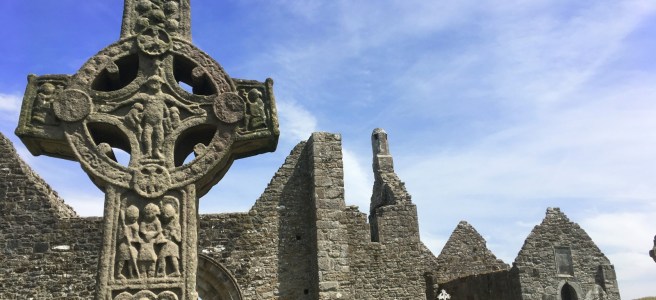
When people refer to the “Clonmacnoise Cross,” they usually mean the Cross of the Scriptures, the most celebrated of Clonmacnoise’s high crosses. Standing at nearly 13 feet tall, this sandstone masterpiece dates back to the early 10th century. Its carvings tell biblical stories in a way that monks and laypeople alike could understand a kind of medieval “illustrated Bible” in stone.

Unlike simpler grave markers, Celtic High Crosses like those at Clonmacnoise served a higher purpose. They were both teaching tools and public displays of faith. The Cross of the Scriptures depicts scenes such as:

  • The Crucifixion of Christ
  • The Last Judgment
  • The Arrest of Christ
  • Other Gospel-inspired images

These carvings brought Scripture to life for a largely illiterate population, reinforcing the teachings of the monastery. To stand before the cross even today is to witness Ireland’s history carved into stone.


What is the Most Famous Celtic Cross?

Ireland is dotted with hundreds of Celtic High Crosses, but the Cross of the Scriptures at Clonmacnoise is widely considered one of the most famous. Historians often cite it as the finest example of early medieval stonework. Its detailed panels and iconic ringed cross shape are so influential that countless replicas have been made across Ireland and beyond.

In fact, when you think of the classic Celtic Cross shape, a tall cross with a circle connecting its arms, you’re picturing the style perfected at Clonmacnoise.

The fame of the site is enhanced by its location: perched on the River Shannon, Clonmacnoise was a hub of religion, trade, and scholarship for over a thousand years. Kings and nobles sought burial here, making the crosses not just symbols of faith but also monuments of status and memory.


What is the Significance of Clonmacnoise?

Clonmacnoise is far more than a collection of ruins; it is one of Ireland’s most historically and spiritually significant sites. Founded in the mid-6th century by St. Ciarán of Clonmacnoise, the monastery quickly became one of the great centers of learning and religion in early Christian Ireland.

For centuries, Clonmacnoise was a crossroads where faith, culture, and politics met:

  • A Monastic University: Scholars from across Europe studied here, copying manuscripts, producing metalwork, and creating illuminated texts.
  • A Royal Burial Site: Kings of Tara and Connacht were buried here, giving it immense political prestige.
  • An Artistic Beacon: The site’s round towers, churches, and Celtic crosses influenced architecture and art throughout Ireland.

Today, Clonmacnoise remains one of the most visited heritage sites in Ireland. Its crumbling churches, round towers, and Celtic crosses stand as a testament to Ireland’s early Christian Golden Age.


What Saint is Associated with Clonmacnoise?

The saint most closely associated with Clonmacnoise is St. Ciarán (Ciarán mac an tSaeir). Born around 516 AD in County Roscommon, he was the son of a carpenter and trained under St. Finnian at Clonard before founding his own monastery at Clonmacnoise.

Although St. Ciarán died at a young age, likely around 33, his influence was profound. His monastery thrived long after his death, becoming one of Ireland’s most enduring centers of Christian learning. Today, pilgrims still come to Clonmacnoise to honor his memory.


The Three Great Crosses of Clonmacnoise

While the Cross of the Scriptures is the most famous, Clonmacnoise boasts three monumental high crosses, each with its own story:

1. The Cross of the Scriptures

  • Dates: 10th century
  • Material: Sandstone
  • Features: Carved biblical panels, inscriptions mentioning kings and abbots
  • Significance: Considered the finest surviving high cross in Ireland

2. The North Cross

  • Dates: Likely 8th or 9th century
  • Features: One of the earliest examples of a ringed cross in Ireland
  • Style: Heavily influenced by metalwork, with interlacing designs and abstract patterns
  • Condition: Only the shaft survives, but its carvings show an evolution in cross design

3. The South Cross

  • Dates: 9th century
  • Features: Sometimes called the “Cross of Patrick and Columba”
  • Design: Bold, abstract carvings rather than detailed figural scenes
  • Significance: Symbolically connects Ireland’s two most famous saints, St. Patrick and St. Columba

Together, these crosses show the progression of Irish stone carving from simple abstract designs to fully realized biblical storytelling.


Celtic Cross Symbolism at Clonmacnoise

The Celtic Cross itself is rich with symbolism. Its circle, connecting the arms of the cross, is said to represent eternity, the sun, or the unity of heaven and earth. At Clonmacnoise, the crosses combine Christian faith with older Celtic motifs, creating a uniquely Irish form of devotion.

This fusion of cultures is why the Celtic Cross remains one of the most enduring symbols of Ireland today. It speaks not only to faith but also to heritage and identity.


Clonmacnoise in the Modern World

Visiting Clonmacnoise today feels like stepping back in time. The crosses stand weathered but proud, protected by replicas placed outdoors, while the originals are preserved in a visitor center. Pilgrims and tourists alike are drawn to the site’s quiet majesty, often leaving with a deeper appreciation of Ireland’s spiritual and artistic past.

And yet, the crosses’ influence continues far beyond the monastery walls. From Irish cemeteries to jewelry designs, the Celtic Cross remains a beloved emblem.


From Stone to Jewelry: The Cross of the Scriptures Necklace

At The Irish Jewelry Company, the Cross of the Scriptures Necklace captures the timeless beauty of Clonmacnoise’s most famous high cross in miniature form. Crafted with intricate detail, this piece allows you to carry a part of Ireland’s sacred history with you.

Just as the monks carved biblical stories into stone, modern jewelers translate those same designs into precious metals, creating wearable reminders of faith, heritage, and artistry. For many, owning such a necklace is not only about beauty but also about a spiritual connection to Ireland’s past.


FAQs About Clonmacnoise and Its Crosses

What is the Clonmacnoise Cross?

The Clonmacnoise Cross, also known as the Cross of the Scriptures, is a 10th-century high cross covered in biblical carvings. It stands as one of the most famous Celtic Crosses in Ireland.

What is the most famous Celtic Cross?

The Cross of the Scriptures at Clonmacnoise is widely considered the most famous and finest surviving Celtic High Cross.

What is the significance of Clonmacnoise?

Clonmacnoise was a major center of religion, learning, and politics in medieval Ireland, known for its monastery, royal burials, and artistic achievements.

What saint is associated with Clonmacnoise?

Clonmacnoise was founded by St. Ciarán, who is venerated as its patron and spiritual father.


Conclusion: The Enduring Legacy of Clonmacnoise

The Celtic Crosses of Clonmacnoise are more than ancient stone monuments; they are timeless symbols of Ireland’s faith, artistry, and cultural identity. From the Cross of the Scriptures to the simpler South and North Crosses, they embody a unique blend of Christian devotion and Celtic creativity.

To stand before them is to step into a story that spans over a thousand years. And today, thanks to modern artisans, you don’t need to travel to County Offaly to bring that story home. The Cross of the Scriptures Necklace allows you to wear a piece of Ireland’s sacred history close to your heart, carrying forward the legacy of Clonmacnoise into the present day.

Jewelry: Definition, Types, Trends, and Timeless Appeal

What is Jewelry?

Jewelry has been an essential part of human culture for thousands of years, serving not only as adornment but also as a reflection of status, identity, and artistry. From ancient civilizations that crafted jewelry from shells and bones to today’s dazzling creations of gold, silver, and gemstones, jewelry continues to hold a unique place in our lives. Whether it’s a wedding band, a cherished heirloom, or a trendy bracelet, jewelry is more than decoration; it is a story, a symbol, and an expression of personal style.

In this comprehensive guide, we’ll explore the definition of jewelry, types of jewelry, materials, the latest trends, what permanent jewelry means, and answer common questions people ask. If you’ve ever wondered what makes jewelry so significant, or if you’re searching for the best place to shop, this article will cover it all.


Jewelry Definition

By definition,jewelry refers to decorative items worn for personal adornment, including necklaces, rings, earrings, and bracelets. The term comes from the Old French “juel” meaning jewel. Over centuries, jewelry has evolved from being a display of wealth and protection against evil spirits to a mainstream way of celebrating milestones, expressing love, and elevating style.

In modern usage,jewelry is not confined to luxury alone. Fashion jewelry, affordable pieces, and personalized designs make jewelry accessible to everyone, regardless of budget. Whether crafted from precious metals like gold and platinum or alternative materials like wood and glass, jewelry has universal appeal.


Jewelry Pronunciation

The pronunciation of jewelry often sparks debate. In American English, it’s commonly pronounced as “jool-ree.” In British English, the word is spelled “jewellery,” with an extra “l” and “e,” but both forms refer to the same thing. Regardless of how you pronounce it, the meaning remains the same—beautiful pieces designed to enhance appearance and signify meaning.


Types of Jewelry

Jewelry can be divided into several categories, each with its own charm and purpose. Below are the primary types:

Necklaces & Pendants

Necklaces are among the most popular forms of jewelry. From delicate chains to bold statement pendants, necklaces can instantly transform an outfit. Pendant jewelry often carries deeper meaning, from religious crosses to Celtic knots, making them more than simple accessories.

Earrings

Earrings are versatile pieces of jewelry available in countless styles—studs, hoops, chandeliers, climbers, and more. Earrings are often the first piece of jewelry people wear, and their variety allows them to complement any face shape or personal style.

Rings

Rings hold symbolic importance in nearly every culture. From engagement rings symbolizing commitment to signet rings denoting status, this category of jewelry is vast. Rings can be plain, gemstone-encrusted, or artistic expressions in silver, gold, or platinum.

Bracelets

Bracelets range from simple bangles to intricate cuffs. Charm bracelets tell personal stories, while tennis bracelets lined with diamonds convey timeless elegance. This type of jewelry offers endless opportunities for personalization.

Other Jewelry Pieces

Jewelry isn’t limited to the big four categories. Brooches, cufflinks, anklets, tiaras, and even body chains fall into this broader classification. Each brings individuality to fashion and personal expression.


Jewelry Materials

The materials used in jewelry greatly influence its value, durability, and aesthetic.

Metals

  • Gold Jewelry: Timeless, luxurious, and versatile.
  • Silver Jewelry: Affordable, sleek, and elegant.
  • Platinum Jewelry: Durable, rare, and prestigious.

Gemstones

Diamonds, rubies, emeralds, and sapphires dominate fine jewelry. Each gemstone carries meaning: diamonds for love, emeralds for hope, rubies for passion, and sapphires for wisdom.

Other Materials

Contemporary jewelry often incorporates alternative materials such as wood, shells, glass, and ceramics. These give jewelry an artistic, modern twist.


Jewelry Trends in 2025

The world of jewelry constantly evolves, blending timeless classics with bold new styles. As we enter 2025, here are the most talked-about trends:

Bold Colors

Bright gemstones like turquoise, emerald, and citrine are taking center stage. Jewelry in vibrant hues is being worn to make confident fashion statements.

Personalized Jewelry

Custom jewelry with engravings, initials, and birthstones is a trend that continues to grow. Consumers want jewelry that speaks to their personal stories and relationships.

Sustainable Jewelry

Eco-conscious shoppers are prioritizing sustainable jewelry, choosing brands that use recycled metals and ethically sourced stones. Sustainable jewelry has shifted from a niche to a mainstream demand.

Vintage and Heirloom Jewelry

Vintage jewelry is experiencing a revival. Heirloom rings, antique lockets, and art deco bracelets not only carry history but also bring timeless elegance to modern wardrobes.


What is Permanent Jewelry?

Permanent jewelry refers to custom-fitted pieces, typically bracelets, that are welded directly onto the wearer’s wrist without a clasp. Often called “forever jewelry,” these pieces symbolize eternal bonds, much like a tattoo but in adornment form. The trend has gained popularity among couples, best friends, and family members seeking jewelry that represents a lifelong connection.

Permanent jewelry has surged in demand at pop-up shops and boutiques. Unlike traditional jewelry, which can be taken off at any time, permanent jewelry becomes part of daily life. Its popularity speaks to the growing desire for jewelry with deeper meaning beyond fashion.


People Also Ask: Jewelry FAQs

Is it jewelry or jewellery?

Both are correct. “Jewelry” is the American spelling, while “jewellery” is used in British English.

What is the 2:1:1 rule for jewelry?

The 2:1:1 rule suggests balancing jewelry by wearing two statement pieces, one subtle piece, and one minimal accessory to avoid over-accessorizing.

Is it spelled jewellery or jewelry?

In the U.S., “jewelry” is the accepted spelling. In the U.K., Canada, and Australia, it’s spelled “jewellery.”

What’s popular in jewelry right now?

In 2025, bold gemstone colors, personalized jewelry, sustainable jewelry, and vintage-inspired designs are dominating trends. Permanent jewelry is also gaining momentum.


Jewelry as Personal Expression

Jewelry has always been more than an accessory; it is a language of love, faith, and identity. Religious jewelry like crosses and rosaries represents devotion, while cultural pieces like Claddagh rings or Celtic knots preserve heritage. Engagement rings symbolize promises, while charm bracelets tell personal stories.

Whether casual, luxurious, or symbolic, jewelry allows people to wear their values and style on display. It’s no wonder jewelry continues to thrive in every culture and generation.


Jewelry and Emotional Significance

One of the most compelling aspects of jewelry is its ability to carry meaning. Jewelry is often passed down through families, making it a treasured heirloom. A grandmother’s locket, a father’s cufflinks, or a mother’s wedding band hold stories of love, resilience, and tradition.

Modern consumers are not only purchasing jewelry for its aesthetic value but also for its sentimental worth. Jewelry marks milestones like birthdays, anniversaries, graduations, and achievements. It is both a celebration and a keepsake.


Jewelry and Fashion

Jewelry plays a key role in fashion, transforming even the simplest outfits into statements. Minimalist jewelry like thin gold chains offers everyday elegance, while bold chandelier earrings or chunky gemstone rings bring red-carpet drama. Jewelry trends often mirror larger fashion movements, from sustainability to personalization.

Designers continue to innovate, blending technology and artistry. Smart jewelry, which integrates wearable tech, is expected to grow, offering both function and fashion.


Conclusion: Why Jewelry Matters

Jewelry is more than an accessory; it is art, heritage, and identity. With its ability to blend tradition and modernity, jewelry remains one of the most powerful forms of personal expression. From simple earrings to elaborate gemstone necklaces, jewelry continues to captivate hearts worldwide.

For those seeking authentic cultural designs, The Irish Jewelry Company offers a wide selection of meaningful, beautifully crafted pieces. From Claddagh rings to Celtic knot pendants, each piece of jewelry reflects centuries of Irish tradition while embracing modern elegance. Whether you’re shopping for yourself or searching for the perfect gift, jewelry from The Irish Jewelry Company allows you to carry a piece of heritage with you every day.

Explore their stunning collection and find jewelry that tells your story.

Shop Irish Jewelry Online at The Irish Jewelry Company

Tips to De-stress Your Christmas Shopping for Holiday Gifts

Christmas Shopping for Holiday Gifts

The holidays should be a season of joy, but for many of us, Christmas Shopping brings stress instead of cheer. From battling crowds at the mall to overspending on last-minute gifts, it’s easy to lose sight of the true spirit of the season. That’s why more and more people are turning to online shopping for stress-free solutions. One of the best ways to simplify your holidays is by shopping Irish jewelry online at The Irish Jewelry Company. Not only will you find meaningful gifts rooted in Irish culture and tradition, but you’ll also enjoy perks like free gift wrap and free shipping.

In this guide, I’ll share practical tips to help you take the stress out of Christmas Shopping while making sure your gifts are thoughtful, unique, and easy to purchase online.


Determine how much you can spend

One of the quickest ways to get overwhelmed during Christmas Shopping is to spend without a plan. Before the season sneaks up on you, set a budget. Decide exactly how much you’re comfortable spending overall, then divide that into categories—family, friends, coworkers, and special extras.

For example, if you’ve allocated $100 per person, think about meaningful gifts that offer value and significance. Irish jewelry, like a Claddagh ring or a Trinity Knot pendant from The Irish Jewelry Company, not only fits beautifully into most holiday budgets but also carries cultural meaning. Setting spending limits ensures you won’t start the New Year with financial regrets.


Don’t feel obligated to buy for everyone

The pressure to buy for every single person you know can make Christmas Shopping exhausting and expensive. Instead, focus on the people who matter most—your close family, significant other, and perhaps one or two friends. For coworkers or larger social circles, think about group gifts or simple gestures like baked goods or handwritten cards.

When it comes to giving something truly special, Irish jewelry makes the perfect choice. It’s timeless, elegant, and deeply meaningful. Choosing from The Irish Jewelry Company allows you to give a cultural keepsake instead of just another generic item from a department store.


Make a list and check it twice

A classic tip, but one that works wonders. Write down everyone you plan to buy for, along with gift ideas for each person. This prevents overspending and keeps you organized. As you shop, check names off your list—it’s both practical and rewarding.

If you’re stumped for ideas, browse through The Irish Jewelry Company’s collections. Their selection of Claddagh rings, Celtic crosses, and family-themed jewelry means you’ll find something for everyone, from your grandmother to your best friend. Incorporating unique Irish pieces into your list makes your Christmas Shopping personal and stress-free.


Look for websites that offer multiple ways to pay, like The Irish Jewelry Company

Another key to stress-free Christmas Shopping is flexibility. The best online stores, such as The Irish Jewelry Company, offer multiple secure payment options like credit cards, PayPal, and even installment plans. This allows you to manage your holiday spending with ease and confidence.

Knowing you can check out quickly and securely means less stress and more time to enjoy holiday traditions like decorating the tree or baking cookies. The peace of mind you get from a smooth transaction process can’t be overstated.


Keep an eye out for the best deals—shop The Irish Jewelry Company clearance

Savvy shoppers know the value of keeping an eye out for seasonal deals. Holiday sales and clearance events can help you stretch your budget further. The Christmas Shopping season is the perfect time to explore The Irish Jewelry Company’s clearance section, where you’ll find beautiful Irish jewelry pieces at discounted prices.

Shopping clearance doesn’t mean compromising on quality. You’ll still receive the same exquisite craftsmanship and cultural designs—whether it’s a Shamrock pendant, Celtic knot earrings, or a Claddagh bracelet. The savings just make it sweeter.


Use online shopping to your advantage (look for companies that offer FREE shipping and FREE gift wrap, like The Irish Jewelry Company)

One of the biggest game-changers in modern Christmas Shopping is the ability to order from the comfort of home. Online shopping eliminates crowded malls, long checkout lines, and endless searching. To make the most of it, choose companies that add value to your order.

The Irish Jewelry Company is a standout because they provide free shipping and free gift wrap. That means not only are you saving money, but you’re also saving time. No more late-night wrapping marathons—your gifts arrive ready to place under the tree.


Think of creative (and inexpensive) gift ideas

Christmas doesn’t have to be about extravagant spending. Some of the most meaningful gifts are the simplest. Handmade crafts, baked goods, or even a heartfelt letter can make lasting impressions.

That said, if you want a thoughtful gift with a lasting impact, Irish jewelry is both creative and affordable. A pair of Celtic knot earrings or a small shamrock pendant from The Irish Jewelry Company is budget-friendly yet rich in meaning. These gifts remind loved ones of their heritage and serve as timeless keepsakes.


Plan ahead and start early (September and October)

One of the smartest moves you can make for stress-free Christmas Shopping is to plan ahead. Starting in September or October gives you plenty of time to compare options, hunt for deals, and avoid last-minute panic. Early shopping also ensures the best selection of items before popular pieces sell out.

Shopping early at The Irish Jewelry Company guarantees you’ll secure meaningful Irish gifts, whether it’s a Claddagh ring for your daughter or a Celtic cross for your spouse. Plus, you’ll be able to relax and actually enjoy December instead of racing against the clock.


About The Irish Jewelry Company

At The Irish Jewelry Company, tradition meets craftsmanship. Their collections feature timeless Irish symbols like the Claddagh, Celtic knots, shamrocks, and Tree of Life designs—all carefully crafted to honor Irish heritage. With free gift wrap, free shipping, and a trusted reputation, they make Christmas Shopping simple, meaningful, and affordable.

Whether you’re looking for a small token of appreciation or a grand holiday gesture, their jewelry ensures your gift will be treasured for years to come. Shopping online with The Irish Jewelry Company isn’t just convenient—it’s an experience rooted in culture, quality, and love.

Christmas in Ireland: A Story of Irish Christmas Tradition

Christmas in Ireland

Christmas in Ireland is more than a holiday; it’s a heartfelt blend of faith, folklore, food, music, and cherished traditions passed down for generations. While Ireland celebrates the season with many similarities to the rest of the world, the country adds its own unique customs that reflect its culture and history. From placing a lighted candle in the window on Christmas Eve to the much-loved Late Late Toy Show, Christmas in Ireland tells a story of family, faith, and festivity.

In this guide, we’ll explore what makes an Irish Christmas so special, covering traditional decorations, food, music, shopping, and the holiday period itself. Whether you’re planning a trip to Ireland during December or simply want to embrace Irish heritage at home, this story will immerse you in the spirit of Christmas in Ireland.


Irish traditions at Christmas

Irish traditions at Christmas are deeply rooted in both Christian devotion and local folklore. The holiday season is marked not only by church services and family gatherings but also by small customs that symbolize hospitality, generosity, and community.

Irish Christmas Decorations

Decorating the home for Christmas in Ireland traditionally begins in early December. Families hang wreaths on their doors, string lights along their homes, and bring in fresh holly and ivy plants associated with ancient Celtic winter traditions. Holly, with its red berries, was thought to provide shelter for the good spirits, and in Irish folklore, it was also believed to ward off misfortune.

The Christmas tree became popular in Ireland during the 19th century, influenced by European customs. Today, streets in Dublin, Galway, and Cork are illuminated with dazzling Christmas lights, making city centers magical destinations during the holiday season.

Santa Claus in Irish

Santa Claus, known in Irish as Daidí na Nollag (Father of Christmas), is fondly called “Santy” across the Republic of Ireland and Northern Ireland. Children hang stockings on Christmas Eve, eagerly awaiting gifts delivered by Santy. In many Irish households, families leave out a mince pie and a glass of Guinness (instead of milk) for Santy, along with a carrot for his reindeer. This playful adaptation reflects the Irish sense of humor and hospitality.

Christmas Candle

One of the most symbolic traditions of Christmas in Ireland is placing a lighted candle in the window on Christmas Eve. This custom, which dates back centuries, is said to welcome Mary and Joseph as they searched for shelter before the birth of Christ. It also serves as a sign of hospitality, showing that the family is offering warmth and light to travelers or strangers.

In earlier centuries, only the youngest daughter of the household could light the candle, which would then burn through the night. Today, many Irish families continue this practice, honoring their faith and heritage with this small but meaningful gesture.

The Christmas Swim

On Christmas morning, thousands of brave souls across Ireland take part in the Christmas Swim, diving into the icy waters of the Atlantic or Irish Sea. Popular spots include the Forty Foot in Dublin, Salthill in Galway, and Sandycove in Cork. While the swim might seem daunting, it’s a charitable event, with participants often raising funds for local causes. This tradition brings communities together, showcasing Irish endurance and festive spirit.

Irish Christmas traditional dinner

Food plays a central role in Christmas in Ireland. The traditional Irish Christmas dinner typically includes roast turkey or goose, ham, stuffing, roast potatoes, Brussels sprouts, and gravy. For dessert, Christmas pudding (a rich fruitcake soaked in whiskey or brandy) is served, often set aflame before being enjoyed with cream or custard. Mince pies and rich fruitcake are staples throughout the season.

Another beloved treat is the Christmas cake, decorated with icing and marzipan, usually prepared weeks in advance. Whiskey or stout is often added during baking, reflecting Ireland’s love of hearty flavors. Sharing food and drink is central to Christmas in Ireland, with every meal becoming an expression of family and community.

December 26th, After Christmas Day

The day after Christmas in Ireland is known as St. Stephen’s Day (December 26). Traditionally, it was marked by the custom of the wren boys, groups of children who dressed in straw costumes, carried a caged wren, and went door-to-door singing songs in exchange for money or food. The money collected was used for a community feast called the “wren party.”

Although the practice of hunting wrens has faded, modern “Wren Day” festivals still occur in parts of Kerry and other regions, celebrating with music, parades, and traditional dress.

Homecoming

Christmas in Ireland is synonymous with homecoming. Adult children traditionally return home on Christmas Eve, and for many Irish emigrants, the holiday is the most important time to reconnect with family. In the past, Irish immigrants to the U.S. or the U.K. would send gifts or money home, often referred to as the “American letter.” This tradition reflects both the sacrifices of emigration and the enduring ties of family.


Christmas shopping in Ireland

In the mid-20th century, the biggest Christmas shopping day in Ireland was December 8th, the Feast of the Immaculate Conception. On this day, schools closed, and families from rural areas traveled to cities to shop for gifts, decorations, and holiday supplies. Stores like Clerys in Dublin famously offered train ticket refunds for customers who spent over £5, cementing the day’s importance.

Though the tradition has waned due to online shopping and the rise of Black Friday, December 8th remains a nostalgic reminder of Irish Christmas shopping. Today, markets such as the Galway Christmas Market and Dublin’s George’s Street Arcade attract both locals and tourists looking for handcrafted gifts.


Holiday celebration period

Traditionally, the Irish holiday season lasted from Christmas Day until January 6th (Little Christmas or Nollaig na mBan). January 6th is known as Women’s Christmas, a day when women rested after weeks of preparing holiday meals and festivities. This marked the official close of Christmas in Ireland.

Homes kept decorations up until this date, following the belief that removing them early brought bad luck. Even today, many families in Ireland continue to observe this extended festive season.


Christmas over the Irish media

The Irish love of storytelling, humor, and music shines during Christmas in Ireland through television, radio, and festive songs.

The Late Late Toy Show

Perhaps the most beloved Irish media tradition is The Late Late Toy Show, an annual edition of RTÉ’s Late Late Show that airs at the end of November. Children demonstrate toys, perform skits, and enjoy surprises, while families across Ireland gather to watch. The Toy Show marks the unofficial start of the holiday season and is fondly remembered by generations of Irish children.

Irish Radio

Radio traditions also play a huge part in Christmas in Ireland. Joe Duffy’s walk down Grafton Street in Dublin, broadcast on RTÉ Radio 1 each Christmas Eve, has become iconic. Similarly, Dave Fanning’s “Fanning’s Fab 50” music countdown on RTÉ 2fm has long been a festive favorite.

Since 2008, Christmas FM has become a staple, playing Christmas songs 24/7 throughout December. Its charitable fundraising efforts make it a uniquely Irish addition to the season.

Irish Christmas music

Music fills the air during Christmas in Ireland. From local choirs singing carols on cobblestone streets to modern classics, songs shape the atmosphere of the holiday. Fairytale of New York by The Pogues is considered Ireland’s unofficial Christmas anthem. Other popular tunes include “Happy Xmas (War is Over)” and traditional carols like “O Come All Ye Faithful” sung in Irish (Adeste Fideles).

Music brings both nostalgia and joy, creating a festive soundtrack for Christmas in Ireland.


Conclusion

Christmas in Ireland is a celebration of old and new, a blend of religious devotion, cultural tradition, and joyful festivity. From lighting candles in windows to watching the Toy Show and braving the Christmas Swim, every custom tells a story of resilience, faith, and family.

Whether you’re walking along Dublin’s twinkling Grafton Street, enjoying Christmas pudding by the fire, or listening to the familiar strains of Irish carols, one thing is certain: Christmas in Ireland is not just a holiday. It is a living tradition, carried with warmth and pride into each generation.

Birthstones for Each Month: History, Meaning, and Stunning Jewelry

Birthstones for Each Month: History, Meaning, and Stunning Jewelry

Gemstones and Traditions

For centuries, gemstones have been more than beautiful adornments — they have carried symbolic meaning, protective powers, and deep cultural connections. Birthstones for each month are perhaps the most well-known way these precious and semi-precious stones are linked to personal identity. The idea of wearing a gem that corresponds to your birth month stretches back to ancient civilizations, each believing that certain stones held magical or healing properties when worn during their specific month.

Today, birthstones serve both as fashionable statements and as symbols of personal meaning. Whether you wear them for luck, spiritual balance, or pure beauty, birthstones connect you to a timeless tradition while offering a unique, customized touch to your style.


Birthstone Traditions

The concept of birthstones dates back to biblical times, particularly to the Breastplate of Aaron described in the Book of Exodus. This ceremonial garment was said to feature twelve stones representing the twelve tribes of Israel. Over time, scholars connected these stones to the twelve months of the year and the zodiac signs, paving the way for the modern birthstone system.

Through the centuries, interpretations evolved. The Gregorian calendar introduced a standardized version of birthstones for each month in Western culture. Gem trade associations later updated the list in the 20th century to reflect modern gem availability, adding alternative stones for affordability and variety.


Which Birthstone Goes with Each Month?

Before we look at the modern list, it’s worth exploring the Gregorian Birthstone Poem, which gives us one of the earliest widely adopted guides to monthly stones.

Gregorian Birthstone Poem

The Gregorian Birthstone Poem, published in 1870, was a Victorian-era favorite and remains a romantic reference for traditional birthstone meanings.

January

“By her who in January was born
No gem save garnets shall be worn;
They will ensure her constancy,
True friendship, and fidelity.”

Meaning & Lore: Garnet has been associated with protection, friendship, and trust. In history, garnet was carried by travelers for safe passage.

February

“The February-born shall find
Sincerity and peace of mind,
Freedom from passion and from care,
If they the amethyst will wear.”

Meaning & Lore: Amethyst symbolizes clarity, peace, and sobriety. Ancient Greeks believed it could protect against intoxication.

March

“Who in this world of ours their eyes
In March on aquamarine shall prize,
Are from affection’s bonds as free
As fish that swim the mighty sea.”

Meaning & Lore: Aquamarine has long been the sailor’s talisman for safe voyages, representing calm seas and tranquility.

April

“She who from April dates her years,
Diamonds shall wear, lest bitter tears
For vain repentance flow; this stone,
Emblem of innocence, is known.”

Meaning & Lore: Diamonds are symbols of purity, strength, and everlasting love — a favorite for engagement rings.

May

“Who first beholds the light of day
In spring’s sweet flowery month of May
And wears an emerald all her life
Shall be a loved and happy wife.”

Meaning & Lore: Emeralds are symbols of renewal, fertility, and love — beloved by royalty throughout history.

June

“Who comes with summer to this earth
And owes to June her day of birth,
With ring of agate on her hand
Can health, wealth, and long life command.”

Meaning & Lore: The poem mentions agate, but modern traditions celebrate pearl, moonstone, and alexandrite for June.

July

“The glowing ruby shall adorn
Those who in July are born;
Then they’ll be exempt and free
From love’s doubts and anxiety.”

Meaning & Lore: Ruby is the king of precious stones, symbolizing passion, vitality, and love.

August

“Wear a sardonyx or for thee
No conjugal fidelity;
The August-born without this stone,
‘Tis said, must live unloved, alone.”

Meaning & Lore: Modern August stones also include peridot, spinel, and onyx.

September

“A maiden born when autumn leaves
Are rustling in September’s breeze,
A sapphire on her brow should bind;
‘Twill cure diseases of the mind.”

Meaning & Lore: Sapphire represents wisdom, virtue, and serenity.

October

“October’s child is born for woe,
And life’s vicissitudes must know;
But lay an opal on her breast,
And hope will lull those foes to rest.”

Meaning & Lore: Opal is famed for inspiring creativity and protecting the wearer from harm.

November

“Who first comes to this world below
With drear November’s fog and snow
Should prize the topaz amber hue —
Emblem of friends and lovers true.”

Meaning & Lore: Topaz and citrine are both known for bringing warmth and optimism.

December

“If cold December gave you birth,
The month of snow and ice and mirth,
Place on your hand a turquoise blue,
Success will bless whate’er you do.”

Meaning & Lore: Turquoise, tanzanite, and zircon bring protection and good fortune.


Modern Birthstones for Each Month

The modern list was standardized by the American National Retail Jewelers Association (now Jewelers of America) in 1912, with updates since to include additional stones.

January Birthstone: Garnet

Rich red garnet symbolizes trust and safe travel. It has been prized since ancient Egypt and Rome for its deep, glowing beauty.

February Birthstone: Amethyst

This regal purple gem was once as valuable as sapphire and ruby, representing clarity, calmness, and royalty.

March Birthstone: Aquamarine

Pale blue aquamarine evokes the sea, bringing peace, courage, and clarity to its wearer.

April Birthstone: Diamond

Diamonds are the ultimate symbol of everlasting love, making them timeless favorites for engagement rings.

May Birthstone: Emerald

Vibrant green emeralds are symbols of hope, growth, and renewal — perfect for the heart of spring.

June Birthstones:

  • Pearl: Classic and elegant, pearls represent purity and timeless style.
  • Moonstone: Shimmering moonstone is linked to love, intuition, and protection.
  • Alexandrite: A rare stone that changes color, alexandrite symbolizes adaptability and joy.

July Birthstone: Ruby

Rubies are associated with love, courage, and passion, treasured for their intense red hue.

August Birthstone:

Peridot

Bright green peridot is believed to bring protection and prosperity.

Spinel

Available in various colors, spinel represents energy and revitalization.

Onyx

Onyx offers grounding energy and strength.

September Birthstone: Sapphire

Known for its deep blue, sapphire represents wisdom, loyalty, and protection.

October Birthstone: Opal

Opals display a kaleidoscope of colors, symbolizing creativity and inspiration.

November Birthstone: Citrine & Topaz

Citrine shines with golden warmth, while topaz offers protection and positive energy.

December Birthstone: Turquoise, Tanzanite, & Zircon

These blue-toned stones are symbols of peace, protection, and prosperity.


Birthstone Jewelry

From the ancient breastplates of high priests to today’s elegant necklaces and rings, birthstones have always been a way to wear beauty with meaning. Wearing your birthstone connects you to centuries of tradition and adds a personal touch to your style.

Whether you want to honor your own month, celebrate a loved one, or simply enjoy the beauty of a gem, you’ll find something extraordinary in our birthstone jewelry collection.


About Us

The Irish Jewelry Company brings together heritage and craftsmanship, creating meaningful pieces inspired by Irish culture and timeless beauty.

Our Jewelry

From Claddagh rings to gemstone pendants, each design is crafted with care and storytelling at its heart.

Customer Care

We pride ourselves on exceptional customer service, ensuring your shopping experience is as sparkling as your jewelry.

From Positano to Capri – Italian Jewelry Looks for August Getaways

Italian Summer Style – Jewelry Inspired by the Amalfi Coast

Imagine the sun glistening on turquoise waters, pastel-hued villages cascading down dramatic cliffs, and the scent of lemon groves drifting through the warm breeze. This is the Amalfi Coast—a place where effortless elegance meets vibrant coastal charm. And when it comes to style, the Amalfi Coast has its own fashion language: sun-kissed skin, flowing linen, chic sandals, and, of course, jewelry that makes a statement without trying too hard.

Whether you’re strolling through the winding streets of Positano, dining seaside in Amalfi, or sipping limoncello in Capri, your jewelry should feel as naturally glamorous as the view. Let’s explore how to bring the Italian summer style home—no passport required.


1. Gold Hoops – The Quintessential Italian Summer Earring

Nothing says la dolce vita like a pair of gleaming gold hoop earrings. On the Amalfi Coast, women often pair oversized hoops with breezy sundresses and wide-brimmed hats. The warm glow of gold complements sun-kissed skin beautifully, making it a vacation essential.

Style Tip:
Wear thin, large hoops for daytime markets and beach walks; opt for bold, textured hoops for an evening aperitivo.


2. Coral Jewelry – A Splash of Mediterranean Tradition

Italian red coral jewelry is more than just a style choice’s a tradition steeped in symbolism. Believed to bring protection and good fortune, coral has been worn for centuries along the southern Italian coast. The vibrant red hue echoes the Amalfi sunsets and the colorful fishing boats bobbing in the harbors.

Style Tip:
Pair a red coral necklace with a white linen dress for a crisp, striking contrast, or layer coral bead bracelets with gold bangles for a chic, beachy look.


3. Lemon-Themed Pieces – Wear the Symbol of Amalfi

If there’s one fruit that defines the Amalfi Coast, it’s the lemon, specifically, the sweet and fragrant sfusato amalfitano. Jewelry inspired by Amalfi lemons brings a playful, sunny element to your summer wardrobe. From delicate lemon-shaped charms to enamel lemon pendants, these pieces are a conversation starter.

Style Tip:
Mix lemon charms with gold chains for a whimsical layered look. Perfect for casual lunches or seaside shopping.


4. Pastel Horn Charms – Carry the Colors of Summer With You

Positano Cornicello Pastello Charm Necklace is quintessential for channeling Mediterranean coastal energy. Italian horn jewelry keeps the evil away, even when you’re on vacation.

Style Tip:
Wear a simple Italian choker necklace layered with a Positano Cornicello Pastello Charm Necklace for a sophisticated twist on summer style.


5. Bringing Amalfi Coast Jewelry into Your Everyday Style

The beauty of Amalfi-inspired jewelry is that it transitions effortlessly from vacation to everyday wear. The key is mixing statement pieces with minimal classics—a bold coral necklace with a simple gold bracelet, or lemon-themed studs with sleek hoop earrings.

And remember, Italian summer style isn’t just about what you wear—it’s about how you wear it: confidently, effortlessly, and with a touch of joy.


Shop the Amalfi Coast Look

Bring the sunshine home with our curated selection of gold hoops, coral jewelry, lemon charms, and nautical pieces—all designed to capture the magic of an Italian summer.

Explore the Collection → https://www.theitalianjewelrycompany.com

Puca – The Shape-Shifting Spirit of Celtic Folklore

Puca – The Shape-Shifting Spirit of Celtic Folklore

The Puca, sometimes spelled púcapookapuck, or pwca, is one of the most fascinating and mysterious creatures in Celtic mythology. Known for its ability to shape-shift, this mischievous yet sometimes helpful spirit has roamed the hills, coasts, and forests of Ireland, the British Isles, and even the Channel Islands for centuries.

The Puca can be a bringer of blessings or chaos, depending on its mood. In one story, it’s a friendly guide offering safe passage. In another, it’s a terrifying phantom that whisks you away on a midnight ride. Whether feared or revered, the Puca remains a cornerstone of Irish and British folklore, and its legacy continues to inspire storytellers, artists, and festival-goers today.


Origins of the Puca and Its Many Names

The name “púca” comes from the Irish word meaning “spirit” or “ghost.” Over time, this folkloric being has been known by many names:

  • Pooka – Common in English-language Irish folklore
  • Puck – Known from English tradition, famously immortalized by Shakespeare in A Midsummer Night’s Dream
  • Pwca – A Welsh variation
  • Pouque – Used in the Channel Islands
  • Puca – The modern anglicized spelling

Despite the variations, all these names describe a supernatural entity that blurs the line between benevolence and malevolence.


The Nature and Powers of the Puca

Puca powers are the heart of its legend. Known as one of the most versatile shape-shifters in Celtic mythology, the Puca can take many forms—some alluring, others terrifying. Its transformations include:

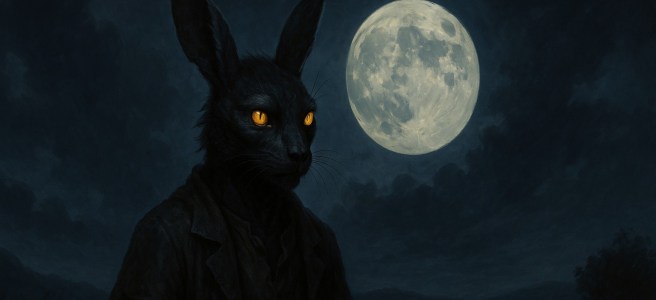
  • Púca rabbit – A sleek black or white hare that appears suddenly on moonlit roads.
  • Púca cat – A mysterious feline with burning eyes, sometimes as large as a panther.
  • Puca man – A tall figure with animal ears or glowing eyes, blending human and beast.
  • Puca goblin – Mischievous, small, and quick, playing pranks on travelers.
  • Horses, goats, dogs, and even birds.

In most tales, the Puca is nocturnal, appearing after twilight to either help or hinder those it encounters.


The Puca’s Appearance and Color

Descriptions of the Puca vary by region and storyteller. Sometimes it’s an inky black creature with glowing yellow eyes; in other traditions, it appears in brilliant white. These Puca colors often symbolize its nature at the time, white for benevolence, black for trickery or danger.

Its most common features include:

  • Glossy, dark, or white fur or hair
  • Long, sharp ears
  • Gleaming, intelligent eyes
  • A mysterious, almost magnetic presence

When in Puca man form, it’s often said to wear ragged clothes and possess an unsettling, otherworldly beauty.


The Dual Nature of the Puca – Good Fortune and Mischief

What makes the Puca so intriguing is its unpredictable nature. Unlike purely evil spirits or benevolent fairies, the Puca embodies both light and dark qualities.

Helpful Puca Tales

  • Guiding lost travelers home at night
  • Warning farmers of coming storms
  • Blessing crops with abundant harvests
  • Offering wisdom or cryptic advice

Mischievous or Malevolent Puca Tales

  • Taking riders on wild midnight journeys through dangerous terrain
  • Leading people astray into bogs or cliffs
  • Frightening livestock or spoiling milk
  • Playing tricks that leave humans shaken but unharmed

This balance of traits mirrors the natural world, beautiful and bountiful, yet unpredictable and dangerous.


Folklore and Harvest Time – The Puca’s Seasonal Connection

In many Irish traditions, the Puca is linked to Samhain (Halloween) and the harvest season. It was believed that after the crops were harvested, the Puca would roam the fields at night, blessing or cursing the remaining produce. Farmers often left a portion of the harvest, known as the “Puca’s share,” to appease it.

Even today, the Púca Festival in Ireland celebrates this folklore with music, storytelling, and costumed performances honoring the spirit’s wild nature.


Puca in Literature and Pop Culture

The Puca has left its hoofprints (and pawprints) across centuries of literature and art.

  • In Shakespeare’s Puck, the trickster fairy from A Midsummer Night’s Dream, we see echoes of the Irish Puca.
  • In modern fantasy, the Puca often appears as a shape-shifting guide or antagonist.
  • Local legends still inspire children’s stories, Halloween events, and even video games.

Its adaptability as a myth mirrors its shape-shifting powers—it can fit into any era’s storytelling.


Regional Variations of the Puca

Different areas have unique interpretations of the Puca:

  • Irish Puca – Both feared and respected; often associated with wild, rural places.
  • Welsh Pwca – More of a household spirit, offering blessings in exchange for respect.
  • English Puck – More playful and theatrical, a bringer of mild chaos.
  • Channel Islands Pouque – A reclusive spirit living in remote landscapes.

Puca Pronunciation and Language Notes

In Irish, Púca pronunciation is roughly “POO-ka.” In Welsh, “Pwca” is pronounced “POO-ka” as well. The English “Puck” shortens and alters the sound, but all trace back to similar linguistic roots meaning “spirit” or “ghost.”


People Also Ask – Puca FAQs

What is an Irish Puca?

An Irish Puca is a supernatural shape-shifter from Celtic folklore, capable of bringing good or bad fortune depending on its mood and form.

What is the meaning of Puca?

The word “Puca” comes from the Irish for “spirit” or “ghost,” symbolizing a mystical being with unpredictable behavior.

Is a Puca a fairy?

Yes, in many traditions, the Puca is considered part of the fairy realm, though it’s wilder and less predictable than most household fairies.

What does a Púca look like?

Puca may appear as a black or white horse, goat, hare, cat, goblin, or even a human with animal traits. Its Puca color often hints at its intentions.

Get in Touch

At The Irish Jewelry Company, we love sharing the rich stories, myths, and traditions of Ireland, from the Puca of Celtic folklore to the symbols you can wear every day. If you have questions about Irish mythology, want to share your own Puca stories, or are looking for unique Celtic jewelry inspired by Ireland’s legends, we’d love to hear from you.

Follow us on Social Media:

Whether you’re captivated by the mysterious Puca or simply want to connect with Irish heritage, we’re here to help you find the perfect piece of jewelry or the perfect story to tell.

Italian Micro Mosaic Jewelry: History, Craftsmanship, and Collecting Guide

The Timeless Beauty of Italian Micro Mosaic Jewelry: A Complete Guide

Italian micro mosaic jewelry is among the most exquisite forms of wearable art ever produced. With roots tracing back to the grandeur of Italian architecture and artistic heritage, these miniature masterpieces are crafted using tesserae tiny pieces of colored glass or enamel—meticulously arranged into intricate patterns or images.

From its origins in the workshops of Florence and Rome to its popularity with modern collectors, micro mosaic jewelry has retained a sense of timeless beauty and craftsmanship that is as captivating today as it was over two centuries ago.


What Is Micro Mosaic Jewelry?

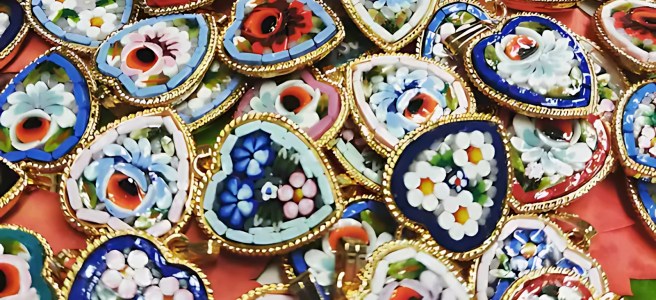
Micro mosaic jewelry refers to miniature mosaics small enough to wear, set into brooches, pendants, earrings, bracelets, or rings. Each design is composed of hundreds or even thousands of tiny tesserae, so small that from a distance, they often resemble painted images.

The appeal lies in the incredible attention to detail, the vibrancy of the colors, and the sheer artistry required to arrange the tesserae by hand. Italian micro mosaic jewelry is instantly recognizable for its precision, use of rich colors, and themes ranging from pastoral landscapes to intricate floral bouquets.


The Origins of Italian Micro Mosaic Jewelry

The art of micro mosaic jewelry originated in late 18th-century Italy, a period when wealthy Europeans embarked on the Grand Tour, a cultural journey across Europe that often ended in Italy. Visitors marveled at ancient Roman and Renaissance art, and many desired a tangible memento to take home.

From Architecture to Jewelry

Skilled artisans who had previously worked on large-scale architectural mosaics began adapting their craft to create smaller, more portable souvenirs. The shift from monumental church domes to wearable pendants required incredible skill, as tesserae were scaled down dramatically to fit into gold or silver settings.


Florence: A Center for Micro Mosaic Artistry

While Rome played a key role, Florence became a major center for Italian micro mosaic jewelry, blending the region’s traditions of fine goldsmithing with its reputation for precision inlay work. The city was already famous for pietra dura, a similar art form that used semi-precious stones instead of glass.

Italian Florentine micro mosaic jewelry became a signature style, often characterized by:

  • Floral sprays with remarkable color gradients.
  • Religious motifs and saints, particularly popular for pendants.
  • Depictions of Tuscan landmarks and Renaissance architecture.

The Italian Florentine micro mosaic jewelry pendant remains one of the most sought-after designs for collectors worldwide.


Rossano Micro Mosaic Jewelry

One of the most respected contemporary makers is Rossano micro mosaic jewelry. This brand preserves the traditions of handcrafting while experimenting with modern motifs and settings. Rossano’s work stands out for:

  • Ultra-fine tesserae that mimic the softness of painted brushstrokes.
  • Luxurious gold or sterling silver frames.
  • Themes inspired by both ancient Rome and modern Italy.

Collectors consider Rossano among the best sources for authentic Italian micro mosaic jewelry today.


Key Characteristics of Micro Mosaic Jewelry

  1. Tiny Tesserae – Often smaller than a millimeter, these fragments allow for lifelike detail.
  2. Intricate Designs – From pastoral landscapes to religious iconography, the range is vast.
  3. Handmade Craftsmanship – No two pieces are ever exactly the same.
  4. Metal Settings – Antique pieces often use gold or silver; vintage designs may feature gold-plated brass.
  5. Variety of Forms – Brooches, pendants, bracelets, and earrings. The Italian micro mosaic bracelet remains a collector’s favorite.

Antique Micro Mosaic Jewelry

Antique micro mosaic jewelry pieces over 100 years old tend to have:

  • Exceptionally fine tesserae with almost invisible gaps.
  • Motifs featuring Roman ruins, the Vatican, or intricate floral arrangements.
  • Precious metal settings, often with Italian gold hallmarks.

These antique treasures are among the most valuable in the micro mosaic category, especially if they remain in pristine condition.


Vintage Italian Micro Mosaic Jewelry

Vintage Italian micro mosaic jewelry generally refers to pieces from the 1920s through the 1970s. These designs often feature larger tesserae and bolder color contrasts, reflecting mid-century tastes. While less intricate than antique versions, vintage pieces are still highly collectible and more affordable for new enthusiasts.


How to Date Italian Micro Mosaic Jewelry

Dating a piece requires examining several factors:

  • Tesserae size – The smaller and more uniform, the older and more valuable.
  • Subject matter – Earlier works favored classical and religious themes; later ones used floral and playful motifs.
  • Metal type – Older pieces often used higher karat gold.
  • Back and clasp styles – Antique clasps differ from modern ones.

Learning how to date Italian micro mosaic jewelry is essential for identifying authentic antiques versus reproductions.


How to Make Micro Mosaic Jewelry

The process of creating micro mosaic jewelry has changed little over two centuries:

  1. Design creation – The artist plans the image.
  2. Glass preparation – Long glass canes are cut into tiny segments.
  3. Placement – Using tweezers, each tessera is set into a soft adhesive within the jewelry frame.
  4. Finishing – Once hardened, the piece is polished for a smooth, even surface.

For artisans, learning how to make micro mosaic jewelry can take years of practice.


Micro Mosaic vs. Pietra Dura

Both are Italian decorative arts, but:

  • Micro mosaic jewelry uses tiny glass tesserae.
  • Pietra dura uses precisely cut semi-precious stones.

The difference lies in both materials and the final appearance of glass offers more vivid color possibilities.


Standard Mosaic Tile Size vs. Micro Mosaic

A standard mosaic tile can be over an inch across, but the tesserae in micro mosaic jewelry are so small they may measure under one millimeter. This extreme miniaturization is what allows for painting-like detail.


People Also Ask

What is Italian micro mosaic?
Miniature mosaics made from tiny colored glass pieces, crafted into wearable art in Italy.

How to date Italian micro mosaic jewelry?
Look for fine tesserae, older clasp styles, and traditional motifs.

What is the difference between micromosaic and pietra dura?
Micro mosaics use glass; pietra dura uses stone.


Vintage Micro Mosaic Jewelry for Sale at The Italian Jewelry Company

At The Italian Jewelry Company, we curate a collection of authentic vintage micro mosaic jewelry sourced directly from Italy. Each piece—whether a bracelet, brooch, or pendant—is a conversation starter and a wearable piece of history. Browse our selection herehttps://www.theitalianjewelrycompany.com/collections/micro-mosaics.html


When Did Micro Mosaic Come Out?

The earliest micro mosaic jewelry dates to the late 1700s, reaching peak popularity in the 19th century. It was especially popular during the Victorian era, when sentimental and souvenir jewelry was in fashion.


Collecting Italian Micro Mosaic Jewelry

For serious collectors:

  • Seek antique pieces with the finest tesserae.
  • Look for well-preserved settings in original condition.
  • Keep documentation if possible; provenance increases value.

Caring for Micro Mosaic Jewelry

To protect your Italian micro mosaic jewelry:

  • Avoid water and harsh cleaning chemicals.
  • Store separately to prevent scratches.
  • Have repairs done only by specialists familiar with mosaic work.

Why Micro Mosaic Jewelry Is Worth Owning

Each piece of Italian micro mosaic jewelry represents:

  • Hours, sometimes days, of meticulous work.
  • Centuries of Italian artistic tradition.
  • A tangible connection to the cultural history of Italy.

For lovers of art, history, and fine craftsmanship, owning micro mosaic jewelry is like holding a fragment of Italy in your hand.

The Tree of Life Meaning, Symbolism, and Influence

Tree of Life Meaning, Symbolism, and Influence

The Tree of Life is one of the most enduring symbols across human history, appearing in art, religion, mythology, and even jewelry design for thousands of years. Whether carved into ancient stone, painted onto sacred manuscripts, or delicately crafted into fine gold pendants, the Tree of Life has always represented connection, growth, and the eternal cycles of existence.

Its beauty lies not only in its striking visual form, a strong trunk, deep-reaching roots, and wide-branching canopy, but also in the layers of meaning it holds for different cultures. Today, the Tree of Life continues to inspire spirituality, creativity, and personal expression, often worn as a symbol of unity and resilience.

If you’re drawn to this timeless motif, you’ll find an exquisite selection of designs in The Irish Jewelry Company’s Tree of Life Jewelry Collection. Each piece celebrates the artistry and deep meaning behind the Tree of Life while allowing you to carry this powerful symbol with you every day.


All About the Tree of Life

The Tree of Life has been revered for millennia, appearing in cultures from ancient Egypt to Celtic Ireland. At its core, it represents the connection between heaven and earth, life and afterlife, the seen and unseen.

  • Roots: Symbolize our origins—family, culture, and ancestry.
  • Trunk: Represents strength, stability, and the journey of life.
  • Branches: Signify growth, expansion, and reaching toward the divine.
  • Leaves and Fruit: Reflect renewal, abundance, and the rewards of life’s journey.

For many, the Tree of Life is also a reminder of personal growth, how, like a tree, we develop over time, gaining wisdom through seasons of change. This is why it’s not only a spiritual symbol but also a popular gift for milestones like graduations, weddings, and anniversaries.

For a deeper dive into its origins and significance, see Discovering the Magic of the Tree of Life in Nature and Spirituality.


Tree of Life Symbolism by Culture

Across continents and centuries, the Tree of Life has carried meanings unique to each culture, while still sharing a universal sense of unity and renewal.

Kabbalah Tree of Life

In Jewish mysticism, the Kabbalah Tree of Life is a symbolic diagram representing the path to spiritual enlightenment. Comprising ten interconnected nodes called sefirot, it outlines how divine energy flows into the world and into human souls. Here, the Tree of Life serves as both a map of the universe and a guide for spiritual growth.

Celtic Tree of Life

The Celtic Tree of Life (Crann Bethadh) holds a special place in Irish heritage. Celts viewed trees as ancestors and gatekeepers to other worlds. The circular form branches reaching upward and roots extending downward symbolize the link between heaven and earth, day and night, life and death. This design is deeply ingrained in Irish art, from ancient stone carvings to modern Celtic jewelry, making it one of the most recognized interpretations of the Tree of Life.

Many modern Irish designs feature intricate knotwork woven into the branches, highlighting eternal life and interconnectedness motifs beautifully captured in The Irish Jewelry Company’s Tree of Life Jewelry Collection.

Chakra Tree of Life

In energy healing traditions, the Chakra Tree of Life aligns the tree’s form with the seven main chakras of the body. Each branch or section of the tree corresponds to an energy center, promoting balance, health, and spiritual alignment. Jewelry featuring gemstone “fruits” for each chakra is particularly popular for those seeking harmony in mind, body, and spirit.

Nordic Tree of Life

The Nordic Tree of Life, known as Yggdrasil, was central to Norse mythology. This immense ash tree connected the nine realms of existence, from the world of gods to the realm of the dead. Yggdrasil’s roots and branches were said to stretch across the cosmos, embodying both the fragility and resilience of life.

Chinese Mythology

In Chinese tradition, the Tree of Life often bears peaches of immortality, symbolizing long life and divine favor. It appears in Taoist art as a bridge between the earthly realm and the heavens, reinforcing the belief that harmony with nature leads to spiritual fulfillment.

Hindu Tree of Life

In Hinduism, the Tree of Life is seen as the Kalpavriksha, a wish-fulfilling divine tree that grants blessings. It represents the endless cycle of creation, preservation, and destruction, mirroring the cycles of life and reincarnation.


Tree of Life Spiritual Meaning

Spiritually, the Tree of Life serves as a metaphor for personal growth and the human journey. Its deep roots ground us in our heritage, while its ever-reaching branches remind us to aspire toward wisdom, compassion, and self-realization.

In many belief systems, the Tree of Life also represents:

  • Unity: A reminder that all forms of life are interconnected.
  • Eternity: Through the cyclical nature of seasons, death gives way to rebirth.
  • Balance: Harmony between the physical and spiritual worlds.

People often wear Tree of Life jewelry not only for its beauty but also as a personal talisman of strength, protection, and renewal.


Tree of Life Inspiration for Art

Throughout history, artists have been captivated by the Tree of Life. Gustav Klimt famously depicted it in his iconic painting The Tree of Life, combining symbolism with the elegance of Art Nouveau. Modern designers, too, are inspired by its symmetry and universal message, bringing it into mediums as diverse as sculpture, embroidery, and fine jewelry.

Tree of Life Jewelry

Tree of Life jewelry has become one of the most beloved ways to keep this symbol close. From delicate silver pendants to bold gold statement pieces, each design carries the same universal meaning while allowing for personal interpretation. Wearing such a piece can serve as a daily reminder of growth, resilience, and connection.

The Tree of Life Jewelry Collection offers designs that combine traditional Celtic artistry with modern elegance, perfect for marking life’s milestones or simply celebrating your own journey.


Decorating with Tree of Life Symbolism

The Tree of Life also holds a special place in home décor. Wall hangings, tapestries, and metal art featuring this design can bring a sense of harmony and grounding to a space. Its symmetrical form is pleasing to the eye, while its meaning enriches the environment with symbolism of unity, growth, and protection.


The Tree of Life Symbol

Tree of Life Design

The design of the Tree of Life typically features a central trunk with branches and roots arranged within a circle, emphasizing wholeness and the cycle of life. Variations may include intricate knotwork, gemstone accents, or stylized leaves, making each interpretation unique.

History of the Tree of Life

Evidence of the Tree of Life motif dates back thousands of years from Mesopotamian carvings to Egyptian papyri, from Viking runestones to medieval Celtic manuscripts. Its persistence across cultures demonstrates how deeply this symbol resonates with humanity’s search for meaning.

Meaning of the Tree of Life

There are multiple interpretations of the Tree of Life symbol, but its most popular associations include connection and unity. The evolution and depth of this design are multi-layered:

  • Connection: Roots reach deep into the earth while branches stretch toward the sky, linking the two realms.
  • Strength: Trees stand firm through storms, symbolizing stability.
  • Growth: Like a tree, humans grow continuously in knowledge and experience.
  • Rebirth: Seasonal cycles mirror life’s changes and renewal.
  • Family: The branching form reflects family lineage and ancestry.
  • Tranquillity: Trees offer shelter and peace, much like nature itself.

People Also Ask:

What does the Bible say about a Tree of Life?
In the Bible, the Tree of Life appears in the Book of Genesis as a source of eternal life in the Garden of Eden. It reappears in Revelation, symbolizing God’s gift of everlasting life to the faithful.

Is it good to wear a Tree of Life?
Yes, many believe wearing a Tree of Life offers protection, promotes positive energy, and serves as a personal reminder of resilience and connection.

What is the moral of the Tree of Life?
The moral is that life is interconnected and ever-changing. Just like a tree, we must stay rooted while continuing to grow.

What is the spiritual meaning of the Tree?
Spiritually, the Tree of Life embodies harmony, eternal life, and the link between the physical and spiritual realms.


About The Irish Jewelry Company

At The Irish Jewelry Company, we honor the timeless Tree of Life by crafting jewelry that blends traditional meaning with modern design. Each piece is a work of art, celebrating connection, strength, and the beauty of life’s journey.