
The Timeless Beauty of Italian Micro Mosaic Jewelry: A Complete Guide
Italian micro mosaic jewelry is among the most exquisite forms of wearable art ever produced. With roots tracing back to the grandeur of Italian architecture and artistic heritage, these miniature masterpieces are crafted using tesserae tiny pieces of colored glass or enamel—meticulously arranged into intricate patterns or images.
From its origins in the workshops of Florence and Rome to its popularity with modern collectors, micro mosaic jewelry has retained a sense of timeless beauty and craftsmanship that is as captivating today as it was over two centuries ago.
What Is Micro Mosaic Jewelry?
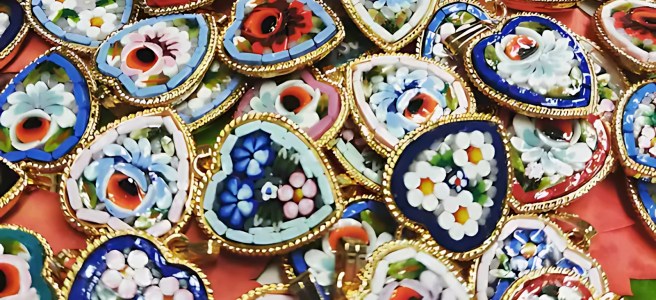
Micro mosaic jewelry refers to miniature mosaics small enough to wear, set into brooches, pendants, earrings, bracelets, or rings. Each design is composed of hundreds or even thousands of tiny tesserae, so small that from a distance, they often resemble painted images.
The appeal lies in the incredible attention to detail, the vibrancy of the colors, and the sheer artistry required to arrange the tesserae by hand. Italian micro mosaic jewelry is instantly recognizable for its precision, use of rich colors, and themes ranging from pastoral landscapes to intricate floral bouquets.
The Origins of Italian Micro Mosaic Jewelry
The art of micro mosaic jewelry originated in late 18th-century Italy, a period when wealthy Europeans embarked on the Grand Tour, a cultural journey across Europe that often ended in Italy. Visitors marveled at ancient Roman and Renaissance art, and many desired a tangible memento to take home.
From Architecture to Jewelry
Skilled artisans who had previously worked on large-scale architectural mosaics began adapting their craft to create smaller, more portable souvenirs. The shift from monumental church domes to wearable pendants required incredible skill, as tesserae were scaled down dramatically to fit into gold or silver settings.
Florence: A Center for Micro Mosaic Artistry
While Rome played a key role, Florence became a major center for Italian micro mosaic jewelry, blending the region’s traditions of fine goldsmithing with its reputation for precision inlay work. The city was already famous for pietra dura, a similar art form that used semi-precious stones instead of glass.
Italian Florentine micro mosaic jewelry became a signature style, often characterized by:
- Floral sprays with remarkable color gradients.
- Religious motifs and saints, particularly popular for pendants.
- Depictions of Tuscan landmarks and Renaissance architecture.
The Italian Florentine micro mosaic jewelry pendant remains one of the most sought-after designs for collectors worldwide.
Rossano Micro Mosaic Jewelry
One of the most respected contemporary makers is Rossano micro mosaic jewelry. This brand preserves the traditions of handcrafting while experimenting with modern motifs and settings. Rossano’s work stands out for:
- Ultra-fine tesserae that mimic the softness of painted brushstrokes.
- Luxurious gold or sterling silver frames.
- Themes inspired by both ancient Rome and modern Italy.
Collectors consider Rossano among the best sources for authentic Italian micro mosaic jewelry today.
Key Characteristics of Micro Mosaic Jewelry
- Tiny Tesserae – Often smaller than a millimeter, these fragments allow for lifelike detail.
- Intricate Designs – From pastoral landscapes to religious iconography, the range is vast.
- Handmade Craftsmanship – No two pieces are ever exactly the same.
- Metal Settings – Antique pieces often use gold or silver; vintage designs may feature gold-plated brass.
- Variety of Forms – Brooches, pendants, bracelets, and earrings. The Italian micro mosaic bracelet remains a collector’s favorite.
Antique Micro Mosaic Jewelry
Antique micro mosaic jewelry pieces over 100 years old tend to have:
- Exceptionally fine tesserae with almost invisible gaps.
- Motifs featuring Roman ruins, the Vatican, or intricate floral arrangements.
- Precious metal settings, often with Italian gold hallmarks.
These antique treasures are among the most valuable in the micro mosaic category, especially if they remain in pristine condition.
Vintage Italian Micro Mosaic Jewelry
Vintage Italian micro mosaic jewelry generally refers to pieces from the 1920s through the 1970s. These designs often feature larger tesserae and bolder color contrasts, reflecting mid-century tastes. While less intricate than antique versions, vintage pieces are still highly collectible and more affordable for new enthusiasts.
How to Date Italian Micro Mosaic Jewelry
Dating a piece requires examining several factors:
- Tesserae size – The smaller and more uniform, the older and more valuable.
- Subject matter – Earlier works favored classical and religious themes; later ones used floral and playful motifs.
- Metal type – Older pieces often used higher karat gold.
- Back and clasp styles – Antique clasps differ from modern ones.
Learning how to date Italian micro mosaic jewelry is essential for identifying authentic antiques versus reproductions.
How to Make Micro Mosaic Jewelry
The process of creating micro mosaic jewelry has changed little over two centuries:
- Design creation – The artist plans the image.
- Glass preparation – Long glass canes are cut into tiny segments.
- Placement – Using tweezers, each tessera is set into a soft adhesive within the jewelry frame.
- Finishing – Once hardened, the piece is polished for a smooth, even surface.
For artisans, learning how to make micro mosaic jewelry can take years of practice.
Micro Mosaic vs. Pietra Dura
Both are Italian decorative arts, but:
- Micro mosaic jewelry uses tiny glass tesserae.
- Pietra dura uses precisely cut semi-precious stones.
The difference lies in both materials and the final appearance of glass offers more vivid color possibilities.
Standard Mosaic Tile Size vs. Micro Mosaic
A standard mosaic tile can be over an inch across, but the tesserae in micro mosaic jewelry are so small they may measure under one millimeter. This extreme miniaturization is what allows for painting-like detail.
People Also Ask
What is Italian micro mosaic?
Miniature mosaics made from tiny colored glass pieces, crafted into wearable art in Italy.
How to date Italian micro mosaic jewelry?
Look for fine tesserae, older clasp styles, and traditional motifs.
What is the difference between micromosaic and pietra dura?
Micro mosaics use glass; pietra dura uses stone.
Vintage Micro Mosaic Jewelry for Sale at The Italian Jewelry Company
At The Italian Jewelry Company, we curate a collection of authentic vintage micro mosaic jewelry sourced directly from Italy. Each piece—whether a bracelet, brooch, or pendant—is a conversation starter and a wearable piece of history. Browse our selection here. https://www.theitalianjewelrycompany.com/collections/micro-mosaics.html
When Did Micro Mosaic Come Out?
The earliest micro mosaic jewelry dates to the late 1700s, reaching peak popularity in the 19th century. It was especially popular during the Victorian era, when sentimental and souvenir jewelry was in fashion.
Collecting Italian Micro Mosaic Jewelry
For serious collectors:
- Seek antique pieces with the finest tesserae.
- Look for well-preserved settings in original condition.
- Keep documentation if possible; provenance increases value.
Caring for Micro Mosaic Jewelry
To protect your Italian micro mosaic jewelry:
- Avoid water and harsh cleaning chemicals.
- Store separately to prevent scratches.
- Have repairs done only by specialists familiar with mosaic work.
Why Micro Mosaic Jewelry Is Worth Owning
Each piece of Italian micro mosaic jewelry represents:
- Hours, sometimes days, of meticulous work.
- Centuries of Italian artistic tradition.
- A tangible connection to the cultural history of Italy.
For lovers of art, history, and fine craftsmanship, owning micro mosaic jewelry is like holding a fragment of Italy in your hand.

 irish culture and traditions