9 Enchanting Legends of Saint Patrick’s Day: Embracing the Mystical and the Magical

Saint Patrick’s Day, celebrated every March 17th, is a festivity rich in folklore, legend, and tradition. This day, dedicated to the patron saint of Ireland, intertwines the historical with the mythical, offering a glimpse into the soul of the Irish people. From the legendary exploits of Saint Patrick to the emblematic Irish jewelry that adorns the holiday, each legend brings us closer to understanding the enduring allure of this celebrated day.

The 9 Enchanting Legends of Saint Patrick’s Day:

Saint Patrick: Apostle of Ireland

The story of Saint Patrick begins with his mission to bring Christianity to the Irish people. Utilizing the shamrock to explain the Holy Trinity, Saint Patrick left a lasting spiritual legacy, symbolizing his teachings’ growth and proliferation across Ireland.

Saint Patrick: The Patron Saint of Ireland

Saint Patrick’s legacy is the cornerstone of the day’s celebrations. Kidnapped and brought to Ireland, he later returned to spread Christianity, using the shamrock to explain the Holy Trinity. This story is central to understanding the day’s significance and the universal adoption of the shamrock as a symbol of Irish identity and faith.

Banishing the Snakes

Perhaps the most famous tale of Saint Patrick involves his miraculous feat of driving all snakes from Ireland, symbolizing the purging of paganism. This legend, whether true or metaphorical, highlights Saint Patrick’s role as a protector and miracle worker.

The Shamrock: Symbol of the Trinity

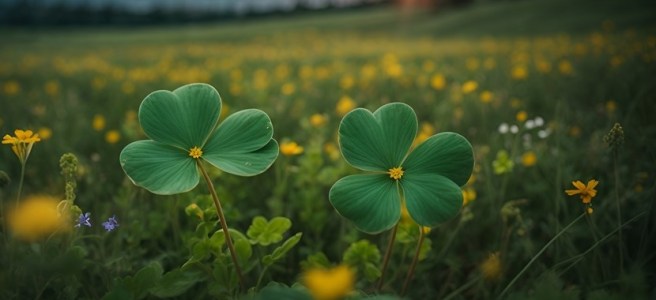
The shamrock, a humble three-leafed plant, became an emblem of Irish identity through Saint Patrick’s use of it as a tool to explain the Christian Holy Trinity. Today, wearing the shamrock connects the past with the present, embodying faith, hope, and love.

Saint Patrick’s Walking Stick Grows into a Living Tree

A lesser-known legend tells of Saint Patrick thrusting his walking stick into the ground, where it miraculously took root and grew into a living tree. This story emphasizes themes of life and resurrection, symbolizing the spread of Christianity in Ireland.

The Hill of Slane: The First Paschal Fire

On the eve of Easter, Saint Patrick defied the ancient druidic ban on lighting fires during the pagan festival of Bealtaine by lighting a paschal fire on the Hill of Slane. This act of defiance marked the beginning of Christianity’s spread in Ireland and demonstrated Saint Patrick’s unwavering faith.

Saint Patrick and the Serpent Oilliphéist

Another captivating tale involves Saint Patrick’s encounter with Oilliphéist, a monstrous serpent. By tricking it into the sea, Saint Patrick protected Ireland from devastation. This legend not only illustrates his bravery but also the triumph of good over evil.

The Wells of Saint Patrick

Throughout Ireland, numerous wells are named after Saint Patrick, believed to have been blessed by the saint himself. These wells, often sites of pilgrimage, are thought to have healing properties, reflecting Saint Patrick’s role as a healer and guardian.

Wearing Green: A Superstitious Tradition

The tradition of wearing green on Saint Patrick’s Day is rooted in folklore that suggests green makes one invisible to leprechauns, who would pinch anyone they could see. This playful superstition encourages the worldwide sea of green attire on March 17th, symbolizing participation in Irish culture and the celebration of spring.

Celebrating Saint Patrick’s Day with Irish Jewelry

Incorporating Irish jewelry into Saint Patrick’s Day celebrations enhances the authenticity and depth of the observance. It’s a way to carry forward the traditions and symbols that have shaped this day, celebrating not just a saint but the spirit of an entire culture.

The Shamrock Brooch: A Symbol of Pride and Identity

The Shamrock Brooch, a key piece of Irish jewelry, represents Ireland’s identity and pride. Wearing it on Saint Patrick’s Day is a powerful gesture of connection to Irish heritage, a tradition cherished by those of Irish descent and admirers of Celtic culture alike.

The Irish Harp Brooch: A Melody of History and Tradition

The Irish Harp, with its serene music and historical significance as a national symbol, is celebrated through the Harp Brooch. This piece of jewelry echoes the soul of Ireland, blending artistry with the country’s rich legacy of music and storytelling.

Conclusion

Saint Patrick’s Day is a celebration rich in legend, tradition, and cultural pride. Through the stories of Saint Patrick, the customs that have evolved around this day, and the symbolic power of Irish jewelry, we connect with a heritage that is both ancient and vibrantly alive. As March 17th approaches, embrace the spirit of Ireland with a Shamrock or Harp brooch and join in the worldwide celebration of Irish culture and identity.

The Significance of Wearing Green on St. Patrick’s Day

St. Patrick’s Day, celebrated on March 17th, is a day filled with parades, music, and the ubiquitous wearing of green. But why do we don the color green on this festive occasion? This tradition, deeply rooted in Irish history and culture, symbolizes national identity, religious significance, and a connection to the lush landscape of Ireland.

Historical Roots of St. Patrick’s Day

St. Patrick, the patron saint of Ireland, is credited with bringing Christianity to the Irish people in the 5th century. Over the centuries, the day commemorating his death transformed from a solemn religious observance into a celebration of Irish culture and heritage that resonates worldwide.

The Symbolism of Green in Irish Culture

Greenthe color most associated with Ireland, is emblematic of the island’s verdant landscape, often referred to as the “Emerald Isle.” Green also holds a place in Irish folklore, representing luck, nature, and the leprechauns of Irish mythology.

In addition to the vibrant tradition of wearing green clothing on St. Patrick’s Day, incorporating green jewelry into the day’s attire has become a cherished practice for many. Pieces like the Emerald Green Shamrock Brooch or the Irish Harp Brooch with emerald CZ, offered by The Irish Jewelry Company, not only enhance the festive spirit but also embody the rich heritage and craftsmanship of Ireland. These exquisite items, adorned with symbols deeply rooted in Irish culture—the shamrock representing luck and the harp signifying the soul of Ireland—allow individuals to carry a piece of Irish history and folklore with them. Wearing such jewelry on St. Patrick’s Day serves as a personal tribute to the Emerald Isle, elegantly expressing one’s pride in Irish heritage and participating in a global celebration of Irish identity.

St. Patrick and the Color Green

Legend has it that St. Patrick used the shamrock, a three-leaved plant, to explain the Holy Trinity to the pagan Irish. This story, whether myth or truth, has cemented the shamrock and the color green as central symbols of St. Patrick’s Day.

The Color Green and Irish Catholic Identity

Historically, green became a symbol of Irish nationalism and resistance, especially during times of British rule. The phrase “wearing of the green” signifies Irish pride and the struggle for independence, closely tying the color to Irish Catholic identity.

The Real Color for St. Patrick: Blue vs. Green

Interestingly, St. Patrick was originally associated with the color blue. Over time, green took precedence, likely due to its association with the shamrock and its significance in Irish nationalism.

St. Patrick’s Day Across the Divide: Catholic and Protestant Traditions

In Ireland’s complex religious and political landscape, colors carry deep meanings. While green is broadly worn by Catholics on St. Patrick’s Day, some Protestants may choose to wear orange, representing their heritage. However, the global celebration of St. Patrick’s Day has seen people of all backgrounds embracing green.

Global Celebrations and the Universality of Green

Today, St. Patrick’s Day is celebrated by millions around the world, with iconic landmarks lit up in green, reflecting the universal appeal of this Irish tradition.

Contemporary Celebrations and the Importance of Wearing Green

Wearing green on St. Patrick’s Day has transcended its origins, becoming a fun and inclusive tradition that unites people across the globe in celebration of Irish culture.

FAQs

Why do we wear green on St. Patrick’s Day Catholic?
The tradition of wearing green is tied to Irish Catholic identity and the symbolism of the shamrock, used by St. Patrick to explain Christian beliefs.

What does the color green signify in Ireland?
Green represents the lush landscape of Ireland, Irish folklore, and national pride.

What is the real color for St. Patrick’s Day?
While St. Patrick’s was initially associated with blue, green has become the color of choice due to its cultural and historical significance in Ireland.

Do Protestants wear green on St. Patrick’s Day?
While green is predominantly associated with Irish Catholics, the global celebration of St. Patrick’s Day has seen people of all backgrounds, including Protestants, embracing the tradition of wearing green.

Conclusion

The tradition of wearing green on St. Patrick’s Day is a vibrant expression of Irish identity, history, and the spirit of celebration. It bridges past and present, uniting people around the world in a shared appreciation for Irish culture and the values of inclusivity and community. As we don our green attire, we participate in a tradition that goes beyond mere color, embracing a rich tapestry of history, faith, and the enduring spirit of Ireland

Erin go Bragh and the Irish Diaspora: How ‘Ireland Forever’ Echoes Around the World

Erin go Bragh, occasionally spelled Erin go Braugh, is a phrase that resonates deeply within the heart of Irish culture and heritage. This Gaelic expression, translating to “Ireland Forever,” encapsulates the enduring spirit and pride of the Irish people. Its pronunciation, “Air-in guh braw,” carries with it centuries of history, struggle, and a profound sense of identity. This article delves into the origins, significance, and cultural impact of “Erin go Bragh,” exploring its historical context, the iconic Erin go Bragh flag, and its contemporary representation, including the Erin Go Bragh Shamrock Pendant from The Irish Jewelry Company.

Origins and Meaning

The phrase “Erin go Bragh” stems from the Irish Gaelic “Éirinn go Brách.” Its roots can be traced back to various points in Irish history, where it was used as a rallying cry for Irish independence and self-determination. The exact origin of the phrase is difficult to pinpoint due to its oral tradition, but it is widely agreed that it gained prominence in the 17th and 18th centuries during periods of significant political and social upheaval in Ireland.

Pronunciation and Variations

Pronounced “Air-in guh braw,” the phrase’s spelling and pronunciation can vary, reflecting the rich tapestry of Irish dialects and the Gaelic language’s evolution over time. Despite these variations, the phrase’s meaning remains a steadfast declaration of Irish loyalty and patriotism.

The Erin go Bragh Flag

The Erin go Bragh flag holds a special place in Irish history and symbolism. Characterized by its vibrant green background and the inclusion of the phrase “Erin go Bragh” alongside traditional Irish symbols, such as the harp, the flag is a powerful emblem of Irish identity and resistance against oppression. It first came to prominence in the 19th century, particularly during the 1798 Rebellion, when it was used by Irish rebels as a symbol of their fight for independence from British rule.

The flag’s design and symbolism have evolved, but its core message of Irish unity and perseverance remains unchanged. Today, it is a common sight at cultural and sporting events, serving as a reminder of Ireland’s rich history and the enduring spirit of its people.

Significance in Irish Culture

Erin go Bragh” is more than just a phrase; it is an expression of the Irish soul. It encapsulates the struggles, hopes, and dreams of the Irish people throughout history. From the battlefields of past rebellions to the peaceful celebrations of St. Patrick’s Day around the world, “Erin go Bragh” signifies a bond that transcends geography, uniting Irish people and their descendants across the globe.

The phrase also reflects the Irish diaspora’s influence, symbolizing the connection between Ireland and the millions of people of Irish ancestry living abroad. It serves as a reminder of their ancestral homeland, fostering a sense of pride and belonging that spans generations.

Erin Go Bragh Shamrock Pendant

In contemporary times, “Erin go Bragh” continues to inspire and be celebrated through various forms of cultural expression, including jewelry. The Erin Go Bragh Shamrock Pendant from The Irish Jewelry Company is a prime example of this enduring legacy. This exquisite piece of jewelry combines the traditional symbols of Ireland—the shamrock and the phrase “Erin go Bragh”—into a stunning design that captures the essence of Irish heritage.

Crafted with care, the pendant features a shamrock, a symbol of Ireland and St. Patrick, intertwined with the timeless message of “Ireland Forever.” It serves not only as a beautiful accessory but also as a meaningful emblem of Irish identity and pride. Wearing the Erin Go Bragh Shamrock Pendant is a way for individuals to connect with their Irish roots, celebrate their heritage, and carry a piece of Ireland close to their heart.

Conclusion

“Erin go Bragh” embodies the indomitable spirit of Ireland and its people. From its historical origins as a cry for freedom to its modern representations in flags and jewelry, the phrase continues to inspire and unite Irish people worldwide. The Erin go Bragh flag and the Erin Go Bragh Shamrock Pendant from The Irish Jewelry Company are just two examples of how this powerful expression of Irish identity and heritage continues to resonate across generations. As a symbol of pride, resistance, and eternal love for Ireland, “Erin go Bragh” remains a testament to the enduring spirit of the Irish nation.

Irish Blessings: A Journey Through Time and Tradition

Introduction to Irish Blessings

Irish blessings, a cherished aspect of Ireland’s heritage, offer comfort, hope, and wisdom. These expressions, deeply entwined with Ireland’s cultural and spiritual landscapes, serve as a beacon of light and love, encapsulating the essence and spirit of the Irish people.

The Rich Tapestry of Irish Blessings

From the lyrical wishes for prosperity to the prayers for peace, Irish blessings draw heavily on nature and faith, resonating with the ancient Celtic traditions and the profound spirituality of Ireland’s past.

May the Road Rise Up to Meet You” – A Deep Dive

The blessing “May the road rise up to meet you” stands as a cornerstone of Irish blessings, embodying the heartfelt wishes of the Irish for prosperity, guidance, and protection. Its words are:

“May the road rise up to meet you.
May the wind be always at your back.
May the sun shine warm upon your face;
the rains fall soft upon your fields and until we meet again,
may God hold you in the palm of His hand.”

This blessing, rooted in ancient traditions, speaks to the Irish soul’s connection to nature, the divine, and the community, offering a universal message of hope and support.

The Power of Words: Irish Blessings in Daily Life

Irish blessings continue to enrich our lives, providing solace, celebration, and connection in a myriad of contexts, from daily interactions to significant life events, showcasing their timeless relevance and universal appeal.

The Art of Crafting an Irish Blessing

The creation of an Irish blessing is an art form that combines intuition, tradition, and a profound connection to the universal themes of life, nature, and spirituality, inviting us to reflect on our shared human experience.

Irish Blessings for Healing and Comfort

In moments of sickness and sorrow, Irish blessings offer a comforting embrace, encapsulating the collective spirit of empathy and support that is a hallmark of the Irish community.

Celebration and Joy: Irish Blessings for Festive Occasions

Irish blessings enhance life’s celebrations, from weddings to birthdays, imbuing them with wishes for joy, love, and prosperity, and marking the milestones of life with grace and warmth.

Irish Blessings in Literature and Art

The influence of Irish blessings extends into the realms of literature, art, and music, inspiring creativity and expression that transcends borders and generations.

The Legacy of Irish Blessings Around the World

As Irish blessings spread across the globe, they weave a tapestry of connection and community, reflecting the universal longing for blessing and belonging in our diverse world.

Conclusion: The Timeless Appeal of Irish Blessings

Irish blessings, with their rich heritage and profound simplicity, continue to touch hearts and lift spirits, celebrating the enduring nature of Ireland’s spiritual and cultural legacy.

Frequently Asked Questions

  • What is the historical origin of Irish blessings?
    Irish blessings trace their origins to Celtic and Christian traditions, serving as a bridge between ancient spiritual practices and modern expressions of faith and goodwill.
  • How do Irish blessings differ from other cultural expressions of well-wishes?
    Irish blessings uniquely blend lyrical beauty, deep spirituality, and a profound connection to nature, setting them apart from other cultural expressions with their distinctively Irish character.
  • Can Irish blessings be adapted for non-religious contexts?
    Absolutely. While many Irish blessings have religious overtones, their themes of hope, protection, and goodwill are universal, allowing them to be adapted and appreciated in a variety of secular contexts.
  • What role do Irish blessings play in modern Irish society?
    In modern Irish society, blessings remain a vital part of cultural and family traditions, used to mark occasions, offer comfort, and express shared values and hopes for the future.
  • How have Irish blessings been preserved and passed down through generations?
    Irish blessings have been preserved through oral tradition, literature, music, and art, passed down through generations as a cherished part of Ireland’s cultural heritage, continually evolving and gaining new meanings in the process.

Irish blessings resonate with the echoes of Ireland’s past and the heartbeat of its present, offering messages of hope, connection, and joy that transcend time and place, enriching the tapestry of human experience.

The Celtic Cross: A Timeless Symbol of Faith, Heritage, and Artistry

The Celtic Cross, a symbol that transcends time, serves as a bridge connecting the ancient Celtic culture with the modern world, especially within the realm of jewelry. This iconic emblem, characterized by its unique design featuring a cross with a ring surrounding the intersection, holds a special place in the hearts of those who cherish their Celtic heritage. The Irish Jewelry Company, renowned for its exquisite craftsmanship and dedication to preserving Irish traditions, offers a stunning collection of Celtic Cross jewelry, each piece echoing the rich history and profound significance of this ancient symbol.

Origins of the Celtic Cross

The origins of the Celtic Cross can be traced back to the early Middle Ages, rooted in the British Isles and Ireland. While its exact origins are shrouded in mystery, it is widely believed that the Celtic Cross is a fusion of traditional Christian symbols and the ancient Celtic reverence for the sun. The cross represents Christianity, while the encompassing ring is thought to symbolize the sun, a vital element in Celtic life, revered for its life-giving power and its role in the cycle of life and death.

Saint Patrick, one of Ireland’s patron saints, is often credited with popularizing the Celtic Cross. Legend has it that he combined the Christian cross with the sun to win over the pagan Irish, integrating their solar worship with the Christian faith. This synthesis not only facilitated the spread of Christianity throughout Ireland but also gave birth to a symbol that is both a testament to the Christian faith and a homage to Celtic heritage.

Historical Significance

Throughout history, the Celtic Cross has served various purposes. Initially, it was used as a marker for sacred places or as memorials for distinguished individuals. The intricate designs and motifs carved into these crosses tell stories of biblical tales, Celtic mythology, and the lives of saints, making them not just religious symbols but also carriers of culture and history.

The High Crosses, towering stone structures found across the landscapes of Ireland, Scotland, and beyond, are some of the most magnificent and enduring examples of the Celtic Cross. These crosses, dating from the 9th to the 12th centuries, are renowned for their elaborate carvings and the skill with which they were crafted, standing as monumental testaments to the artistry and spiritual depth of the Celtic people.

The Celtic Cross in Jewelry

In modern times, the Celtic Cross has found a new expression in the world of jewelry, thanks to artisans like those at The Irish Jewelry Company. Celtic Cross jewelry is not just an adornment but a meaningful connection to one’s roots, embodying faith, heritage, and a deep appreciation for beauty. Each piece, whether a pendant, a ring, or a pair of earrings, is crafted with the utmost care, reflecting the intricate designs and profound symbolism of the original crosses.

The Irish Jewelry Company’s collection of Celtic Cross jewelry is a celebration of Celtic culture and craftsmanship. These pieces are designed to be more than just accessories; they are keepsakes that carry the legacy of the Celtic spirit. From simple, elegant designs that highlight the cross’s silhouette to more elaborate pieces adorned with Celtic knots, gemstones, and inscriptions, there is something for everyone who wishes to keep a piece of Celtic history close to their heart.

Significance in Modern Times

Today, the Celtic Cross remains a powerful symbol of faith, identity, and connection to the past. For those of Celtic descent, wearing a Celtic Cross is a way to honor their ancestors and celebrate their heritage. But its appeal is not limited to those with Celtic roots; the beauty and intricacy of the design, along with its rich symbolism, have captivated people from all walks of life.

In a world where the past and present intertwine, the Celtic Cross serves as a reminder of the enduring strength and resilience of the Celtic culture. It symbolizes the continuity of life, the interconnection of all things, and the eternal cycle of the seasons. It is a beacon of hope, a source of inspiration, and a testament to the enduring power of faith and tradition.

Conclusion

The Celtic Cross, with its deep roots in history and its enduring presence in modern jewelry, stands as a symbol of the timeless beauty and rich heritage of the Celtic people. The Irish Jewelry Company, through its exquisite collection of Celtic Cross jewelry, offers everyone the opportunity to connect with this ancient symbol in a personal and meaningful way. Whether as an expression of faith, a tribute to one’s heritage, or simply an appreciation for fine craftsmanship, Celtic Cross jewelry is a treasure that carries with it the spirit and history of the Celtic people.

How to Wear the Claddagh Ring: A Symbol of Love, Loyalty, and Friendship

The Claddagh ring, with its distinctive design of two hands clasping a heart topped with a crown, is a timeless symbol of love, loyalty, and friendship. Originating from the small fishing village of Claddagh in Galway, Ireland, this iconic piece of jewelry has traversed borders and generations, carrying with it a rich history and a variety of meanings depending on how it is worn. Whether you’ve just received a Claddagh ring or are considering purchasing one, understanding the proper way to wear it can enhance its symbolic value and integrate its tradition into your life. Here’s your guide to wearing a Claddagh ring the right way.

The Symbolism of the Claddagh Ring

Before diving into how to wear the ring, let’s explore what it represents:

  • The Heart symbolizes love.
  • The Hands represent friendship.
  • The Crown signifies loyalty.

Together, these elements embody the qualities of an ideal relationship, making the Claddagh ring a popular choice for friendships, family heirlooms, engagement rings, and wedding bands.

How to Wear Your Claddagh Ring

The beauty of the Claddagh ring lies not only in its design but also in its versatility. How you wear your Claddagh ring tells a story about your heart’s current state. Here’s what each position means:

1. Single and Looking for Love

  • On the Right Hand, Heart Facing Outwards: Wearing your Claddagh ring on your right hand with the heart facing outwards (away from your body) signals that you are single and might be searching for love.

2. In a Relationship

  • On the Right Hand, Heart Facing Inwards: If you’re in a relationship, wear your ring on your right hand with the heart pointing towards your body. This position indicates that your heart is taken.

3. Engaged

  • On the Left Hand, Heart Facing Outwards: When engaged, the ring is worn on your left hand with the heart facing outwards. This tradition signifies that your love has been captured but the commitment is not yet sealed with marriage.

4. Married

  • On the Left Hand, Heart Facing Inwards: For those who are married, the Claddagh ring is worn on the left hand with the heart pointing inwards towards your body. This shows that your heart is completely encircled by the bond of marriage.

Choosing Your Claddagh Ring

When selecting a Claddagh ring, consider the metal that suits your style and the occasion for which you’re purchasing the ring. Traditional Claddagh rings are made of gold, silver, or platinum, but modern variations can include birthstones or other gemstones set into the heart for a personal touch.

A Timeless Gift

The Claddagh ring makes a meaningful gift for a loved one or a special treat for yourself. Its enduring symbols of love, loyalty, and friendship can serve as a daily reminder of the important relationships in your life or your heritage if you have Irish roots.

Conclusion

The Claddagh ring transcends being merely an accessory; it embodies a narrative of personal significance and connections. Whether your heart is open, spoken for, pledged in engagement, or united in marriage, wearing your Claddagh ring as outlined above lets you embrace a slice of Irish heritage daily. Opting for a Claddagh ring from The Irish Jewelry Company not only ensures you’re getting an authentic piece of this storied tradition but also allows you to carry a symbol of love, loyalty, and friendship crafted with care and expertise. The true essence of a Claddagh ring lies in the stories and meanings it holds for its wearer, making it a profoundly personal emblem of your life’s journey.

Making Irish Soda Bread for St. Patrick’s Day: A Culinary Journey

As St. Patrick’s Day approaches, the aroma of freshly baked Irish soda bread fills the air, invoking memories and creating new traditions. This simple yet delicious soda bread has been a staple in Irish homes for centuries, embodying the spirit of Ireland with every bite. In this article, we’ll embark on a culinary journey, exploring the history and origins of Irish soda bread, and share a tried-and-true recipe that will allow you to bring a taste of Ireland into your home.

The History and Origins of Irish Soda Bread

Irish soda bread, with its distinctive X slashed across the top, is more than just a delicious accompaniment to a meal; it’s a symbol of Irish heritage and simplicity. The bread’s history dates back to approximately the 1840s when baking soda became widely available in Ireland. This coincided with the Great Famine, a period of mass starvation and emigration in Ireland, making the introduction of soda bread particularly significant.

The beauty of Irish soda bread lies in its simplicity. Traditional recipes call for just four ingredients: flour, baking soda, salt, and buttermilk. These ingredients were staples in rural Irish households, making the bread an accessible option for families who could not afford yeast or did not have access to ovens. Instead, the bread was often baked in a bastible, a type of cast-iron pot, over an open fire.

The use of baking soda as a leavening agent was revolutionary. Unlike yeast bread, which requires time to rise, soda bread can be made quickly and with minimal effort. The reaction between the acidic buttermilk and the alkaline baking soda produces carbon dioxide gas, causing the dough to rise without the need for yeast or prolonged fermentation.

Over the years, variations of soda bread emerged, including brown soda bread, made with wholemeal flour, and versions incorporating ingredients like oats, seeds, or dried fruits. Despite these variations, the essence of traditional Irish soda bread remains unchanged, embodying the resilience and resourcefulness of the Irish people.

The Cultural Significance of Soda Bread

Irish soda bread holds a special place in the heart of Irish culture, particularly during St. Patrick’s Day celebrations. It represents a connection to the past, a tribute to the generations of Irish families who relied on this bread as a dietary staple. Today, it continues to be a symbol of hospitality, often served to guests with butter, jam, or smoked salmon.

The tradition of marking the bread with an X before baking is steeped in folklore. Some say it’s to let the fairies out, ensuring good luck and protecting the household. Others believe it’s a Christian symbol, representing the cross and a blessing for the bread. Regardless of its origin, this practice adds a touch of charm and tradition to the bread-making process.

Making Irish Soda Bread for St. Patrick’s Day

Now, let’s turn to the heart of our journey: making your Irish soda bread. The recipe we’ll be using is a testament to the bread’s enduring appeal, combining simplicity with delicious results. This particular recipe is adapted from a reputable source, ensuring an authentic experience. You can find the original recipe here: Irish Soda Bread Recipe or try this Irish Soda Bread Recipe.

Ingredients:

  • 4 cups (500g) all-purpose flour
  • 1 teaspoon baking soda
  • 1 teaspoon salt
  • 1 3/4 cups (414ml) buttermilk
  • optional ( add ⅔ cup raisins – presoaked)

Instructions:

  1. Preheat your oven to 425°F (218°C). Line a baking sheet with parchment paper.
  2. Combine dry ingredients: In a large bowl, whisk together the flour, baking soda, and salt.
  3. Add buttermilk: Make a well in the center of the dry ingredients and pour in the buttermilk. Using a fork or your hands, gently mix until a sticky dough forms.
  4. Knead the dough: Turn the dough out onto a lightly floured surface. Knead lightly for a few seconds, just until the dough comes together. Do not over-knead, as this will make the bread tough.
  5. Shape and score: Form the dough into a round loaf and place it on the prepared baking sheet. Using a sharp knife, cut a deep X across the top of the loaf. This helps the bread bake evenly and creates the traditional appearance.
  6. Bake: Place the loaf in the preheated oven and bake for about 30-40 minutes, or until the bread is golden brown and sounds hollow when tapped on the bottom.
  7. Cool: Remove the bread from the oven and let it cool on a wire rack. This allows the crust to stay crisp.

Enjoy your Irish soda bread warm, with butter, for the ultimate St. Patrick’s Day treat. 

The Shamrock: A Symbol of Ireland and Its Rich Traditions

The shamrock, a sprig of clover, has transcended its botanical origins to become one of the most recognizable and cherished symbols of Ireland. Its significance is deeply rooted in Irish history, culture, and folklore, making it a potent emblem of Irish identity and heritage. As we explore the shamrock’s meaning, its importance to the Irish, and its role in traditions and jewelry, especially for St. Patrick’s Day, we uncover a symbol that is much more than a mere plant.

The Historical Roots of the Shamrock

The shamrock’s association with Ireland dates back to ancient times when the Druids believed that the shamrock could ward off evil spirits and dangers. Its three leaves were also seen as a natural representation of the triadic deities common in Celtic religion. However, the shamrock’s significance was forever changed by St. Patrick, Ireland’s patron saint, who is said to have used it as a metaphor for the Christian Holy Trinity. According to legend, St. Patrick used the shamrock’s three leaves to explain the concept of the Father, the Son, and the Holy Spirit, thus intertwining the shamrock with the Christian faith and Irish identity.

The Shamrock in Irish Culture and Traditions

Beyond its religious symbolism, the shamrock has become a national symbol, representing the essence of Ireland and its people. It is a symbol of rebirth, renewal, and the coming of spring. On St. Patrick’s Day, it is customary for people to wear shamrocks and green clothing, symbolizing the verdant landscape of the Emerald Isle and the rejuvenating power of nature. This tradition has spread worldwide, with millions of people of Irish descent, and even those with no Irish connectionsembracing the shamrock as a symbol of celebration, friendship, and a connection to the natural world.

The shamrock also plays a role in Irish folklore and is considered a charm against misfortune. Finding a four-leaf clover, a rare variation of the typical three-leafed shamrock is particularly auspicious and is said to bring the finder good luck.

Shamrock Jewelry: A Tradition for St. Patrick’s Day and Beyond

Shamrock jewelry holds a special place in the celebration of Irish heritage, especially on St. Patrick’s Day. From necklaces and earrings to brooches and rings, these pieces are not only beautiful but also carry deep cultural significance. They serve as a wearable connection to Irish roots, a symbol of pride, and a talisman of good luck and protection.

The tradition of wearing shamrock jewelry on St. Patrick’s Day is a modern way to honor ancient customs, allowing individuals to carry a piece of Irish symbolism with them. Jewelry pieces featuring shamrocks often incorporate materials like emerald, green enamel, or Connemara marble, further connecting them to the Irish landscape and color symbolism associated with the holiday.

The Enduring Appeal of Shamrock Jewelry

Shamrock jewelry is cherished not only for its aesthetic appeal but also for its ability to convey a sense of identity and belonging. For those of Irish descent, it is a tangible link to their ancestry and the rich tapestry of Irish culture. For others, it represents an appreciation of Ireland’s history, mythology, and the universal themes of growth, harmony, and resilience that the shamrock symbolizes.

In the world of fine jewelry, shamrock designs are crafted with care and attention to detail, often using precious metals and stones to elevate the symbol to a piece of art. Whether it’s a simple silver shamrock pendant or an elaborate gold shamrock brooch studded with emeralds, each piece tells a story of heritage, faith, and the enduring strength of the human spirit.

Conclusion

The shamrock’s journey from a simple plant to a powerful symbol of Irish identity and culture is a testament to its enduring appeal and significance. As a symbol, it encompasses the complexity of Ireland’s history, the depth of its religious traditions, and the vibrancy of its culture. Shamrock jewelry, especially during St. Patrick’s Day, allows individuals to celebrate and connect with these traditions in a personal and meaningful way. Whether worn as a symbol of luck, a statement of faith, or a badge of Irish heritage, the shamrock remains a timeless emblem of Ireland’s soul, cherished by generations past and present.

In the end, the shamrock is more than just a symbol; it is a bridge connecting the past with the present, the mystical with the mundane, and the Irish with the world. Its significance, deeply rooted in the heart of Ireland, continues to flourish, spreading a message of hope, unity, and renewal to all who embrace its green leaves.

Bachelor’s Day: The Leap Year Tradition of Ladies’ Privilege

Leap Year, a phenomenon that corrects the calendar every four years, brings with it an ancient Irish tradition known as Bachelor’s Day, or Ladies’ Privilege. This tradition, steeped in folklore and romance, turns the tables on the conventional proposal narrative, allowing women to propose to men on February 29th. The roots of this custom are entwined with the legends of Saint Bridget and Saint Patrick, two of Ireland’s most beloved patron saints. This tradition has not only survived through the centuries but has also been celebrated in popular culture, most notably in the romantic comedy movie “Leap Year.” In this unique tradition, what could be more fitting than sealing the proposal with symbols of Irish heritage such as a Claddagh ring, a Celtic engagement ring, or a Celtic wedding ring from The Irish Jewelry Company? Let’s delve into the origins, cultural significance, and modern interpretations of this charming tradition.

The Legend of Saint Bridget and Saint Patrick

The story begins with Saint Bridget, a contemporary of Saint Patrick and a revered figure in Irish history, who voiced concerns over the plight of women who waited too long for their suitors to propose. According to legend, Saint Bridget struck a deal with Saint Patrick, allowing women the opportunity to propose to men every four years on Leap Day. This agreement was seen as a way to balance the traditional roles in courtship and marriage, and it provided women with a sense of agency that was rare for the time.

This legend, whether rooted in historical fact or not, highlights the progressive nature of Irish society, which recognized the importance of love and marriage as mutual decisions. The tradition of Ladies’ Privilege on Bachelor’s Day is a testament to Ireland’s rich cultural heritage, where folklore and reality intertwine to create a narrative that celebrates love, equality, and the power of tradition.

Leap Year and “Leap Year” the Movie

The tradition of Bachelor’s Day gained widespread popularity with the release of the romantic comedy “Leap Year” in 2010. Starring Amy Adams and Matthew Goode, the film follows the journey of a woman who travels to Ireland to propose to her boyfriend on Leap Day, adhering to the tradition of Ladies’ Privilege. The movie, with its picturesque Irish landscapes and charming portrayal of Irish customs, brought international attention to the tradition of Bachelor’s Day, inspiring audiences around the world to reconsider the norms of romantic proposals.

“Leap Year” not only entertained but also sparked conversations about gender roles in relationships and the evolving dynamics of love and marriage. By highlighting the tradition of Bachelor’s Day, the film encouraged viewers to explore the rich tapestry of cultural practices that celebrate love in its many forms.

Sealing the Deal with Irish Jewelry

In the spirit of Bachelor’s Day, what better way to commemorate a proposal than with a piece of traditional Irish jewelry? The Irish Jewelry Company offers a range of exquisite pieces that embody the essence of Irish heritage and craftsmanship. Among these, the Claddagh ring stands out as a symbol of love, loyalty, and friendship. Featuring two hands clasping a heart, topped with a crownthe Claddagh ring is a fitting emblem for a Leap Day proposal, representing the mutual respect and commitment of the couple.

For those seeking a more intricate symbol of their union, a Celtic engagement ring or a Celtic wedding ring offers a beautiful alternative. These rings, adorned with intricate knotwork designs, symbolize the intertwining of two lives and the eternal nature of love. The craftsmanship and attention to detail in each piece reflect the depth of meaning behind the tradition of Bachelor’s Day, making them the perfect tokens of love for a Leap Day proposal.

The Cultural Significance of Bachelor’s Day

Bachelor’s Day is more than just a quirky tradition; it is a reflection of Ireland’s rich cultural heritage and its influence on contemporary society. By allowing women the opportunity to propose marriage, the tradition challenges conventional gender roles and celebrates the idea of love as a partnership of equals. It is a reminder that traditions can evolve and adapt, reflecting the changing dynamics of society while still honoring the past.

In a world where the lines between tradition and modernity are increasingly blurred, Bachelor’s Day stands as a testament to the enduring power of love and the importance of cultural heritage. Whether through a Leap Day proposal or the exchange of a Claddagh ring, the spirit of Bachelor’s Day continues to inspire and enchant, bridging the gap between legend and reality.

Conclusion

Bachelor’s Day, or Ladies’ Privilege, is a cherished Irish tradition that has captured the imagination of people around the world. Rooted in the legends of Saint Bridget and Saint Patrick, it offers a unique twist on the conventional proposal narrative, empowering women to take the lead in matters of the heart. The tradition has been celebrated in popular culture, most notably in the rom-com “Leap Year,” which brought the charm and beauty of this custom to a global audience.

In keeping with the spirit of Bachelor’s Day, the exchange of traditional Irish jewelry, such as a Claddagh ring, a Celtic engagement ring, or a Celtic wedding ring from The Irish Jewelry Company, adds a layer of meaning and heritage to the proposal. These symbols of love, loyalty, and friendship encapsulate the essence of the tradition, making them the perfect tokens of a Leap Day proposal.

As we celebrate Bachelor’s Day, we are reminded of the power of love to transcend time and tradition. It is a day that honors the past while looking forward to a future where love knows no bounds. In the end, Bachelor’s Day is not just about who proposes to whom; it’s about celebrating love in all its forms, with a nod to the rich tapestry of Irish culture that has woven this unique tradition into the fabric of our lives.

The Green Heart of March: St. Patrick’s Day Traditions and Celebrations

As spring teases its imminent arrival, the United States, along with many parts of the world, prepares to don a verdant cloak in celebration of St. Patrick’s Day. This jubilant occasion, steeped in history, spirituality, and a fair share of merriment, unfolds every 17th of March, painting towns and cities in shades of emerald. But why do we celebrate St. Patrick’s Day, especially with such fervor in the United States? Let’s delve into the traditions, spiritual meanings, and historical tapestry that make St. Patrick’s Day a global phenomenon.

The Spiritual Journey of St. Patrick

At the heart of St. Patrick’s Day lies the commemoration of St. Patrick, the patron saint of Ireland. Born in Roman Britain in the late 4th century, St. Patrick was kidnapped and brought to Ireland as a slave at the age of 16. He later escaped, but returned to Ireland as a missionary, dedicating his life to converting the Irish to Christianity. The spiritual meaning of St. Patrick’s Day is deeply rooted in his mission of faith, hope, and love. It’s a day that celebrates the triumph of light over darkness, mirroring St. Patrick’s journey from captivity to liberation, both physical and spiritual.

Why March 17th?

The choice of March 17th is believed to mark the date of St. Patrick’s death in 461 AD. It is a day of remembrance and respect for his contributions to Ireland’s spiritual landscape. Over the centuries, March 17th has evolved from a solemn religious observance into a global celebration of Irish culture and heritage.

Celebrating St. Patrick’s Day in the United States

The United States has embraced St. Patrick’s Day with open arms and a pint of Guinness. The first recorded parade in honor of St. Patrick’s Day took place not in Ireland, but in New York City in 1762, when Irish soldiers serving in the English military marched through the streets. This set the precedent for the annual parades that now occur across the country, from the green-dyed Chicago River to the spirited processions in Boston, a city with a rich Irish heritage.

Traditions and Merriment

St. Patrick’s Day traditions are a vibrant tapestry of cultural and spiritual elements, including the wearing of green, parades, the shamrock, and indulging in Irish food and drink. Among these cherished customs is the old-fashioned yet enduring practice of wearing a St. Patrick’s Day badge or rosette.

Wear a St. Patrick’s Day Badge or Rosette

Celebrate the Irish with the old custom of wearing either a badge or an Irish rosette in honor of the holiday. In tribute to St. Patrick, a fifth-century missionary and bishop, a long-standing folk tradition is that children and adults alike display badges to show their Emerald Isle pride. Girls and women often wear rosettes made of colored ribbon, while boys and men don badges crafted from colored paper. In modern times, this tradition has evolved to include shamrock broochesharp brooches, or Irish flag pins, adding a touch of elegance and national pride to the celebration.

Making your own St. Patrick’s Day badge or rosette can be a delightful craft project, offering a personal touch to the festivities. Alternatively, many stores sell beautifully crafted rosettes and Irish brooches, making it easy to participate in this charming tradition. Wearing a badge or rosette not only honors St. Patrick but also connects us to a centuries-old practice of expressing Irish pride and joy.

As we gear up to celebrate St. Patrick’s Day, let’s remember the rich tapestry of history, spirituality, and communal joy that the day brings. Whether you’re Irish by blood or just for the day, March 17th offers a chance to partake in a tradition that spans centuries, celebrating not just a man or a nation, but the enduring spirit of humanity’s capacity for faith, hope, and revelry. So, wear your green with pride, and may the luck of the Irish be with you!